House Ethics Committee probes Rep. Chuck Edwards over staff conduct allegations
The House Ethics Committee opened a probe into Chuck Edwards after accounts tied him to conduct toward young female staffers, including a handwritten note saying she had “written a complex chapter in my heart.”

The House Ethics Committee has opened an investigation into Rep. Chuck Edwards, a second-term Republican from western North Carolina, after allegations surfaced about his conduct toward young female staffers. Edwards’ campaign said he welcomed a chance to refute the claims and denied wrongdoing, putting the case squarely in the middle of an institution that polices its own members but rarely does so in public.
The inquiry matters because House rules bar members from engaging in romantic relationships with their staff, a standard designed to prevent abuse of power in offices that depend on close personal access and professional trust. Ethics inquiries can examine whether lawmakers violated those rules, gather testimony and review documents, but they do not hand down criminal punishment. Their leverage is institutional: censure, referral, or exposure that can shape a member’s political future. For Edwards, who represents North Carolina’s 11th Congressional District, that scrutiny could become a major reelection problem.
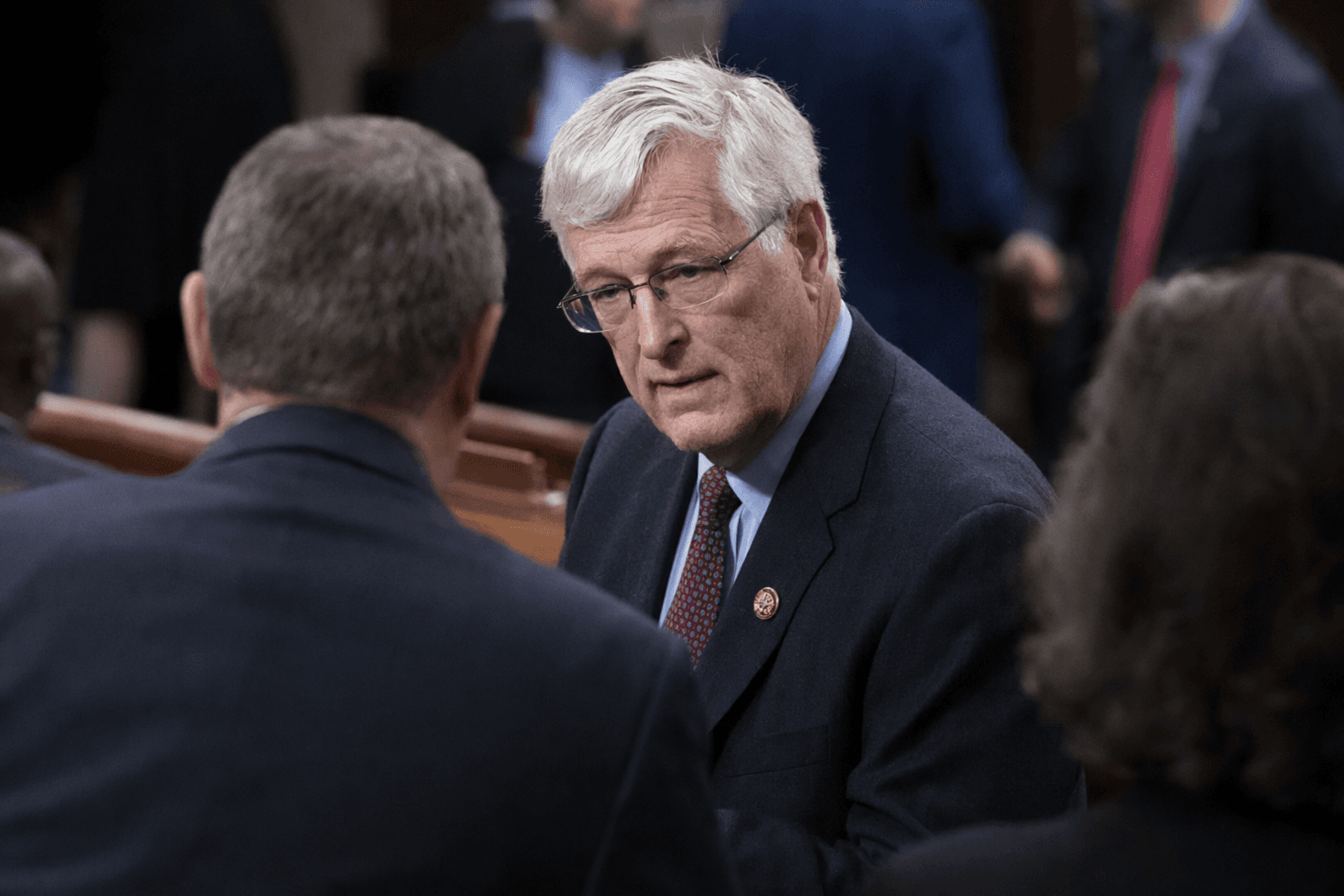
The allegations have centered on Edwards’ interactions with younger women who worked in his office. One report said he sent a handwritten letter to a young female staffer shortly before she was set to leave his office, telling her she had “written a complex chapter in my heart.” Another account said the probe was prompted in part by his conduct toward two female staffers. The committee has also been examining allegations that Edwards had an affair with a former staffer who left the office earlier this year.
The investigation moved forward enough that committee staff contacted at least two former Edwards staffers, who reportedly said they felt uncomfortable with the way the congressman interacted with them. Lawmakers on the Ethics Committee were expected to receive a briefing the following week, signaling that the matter had advanced beyond a quiet internal review and into a stage where committee members would begin weighing the evidence.
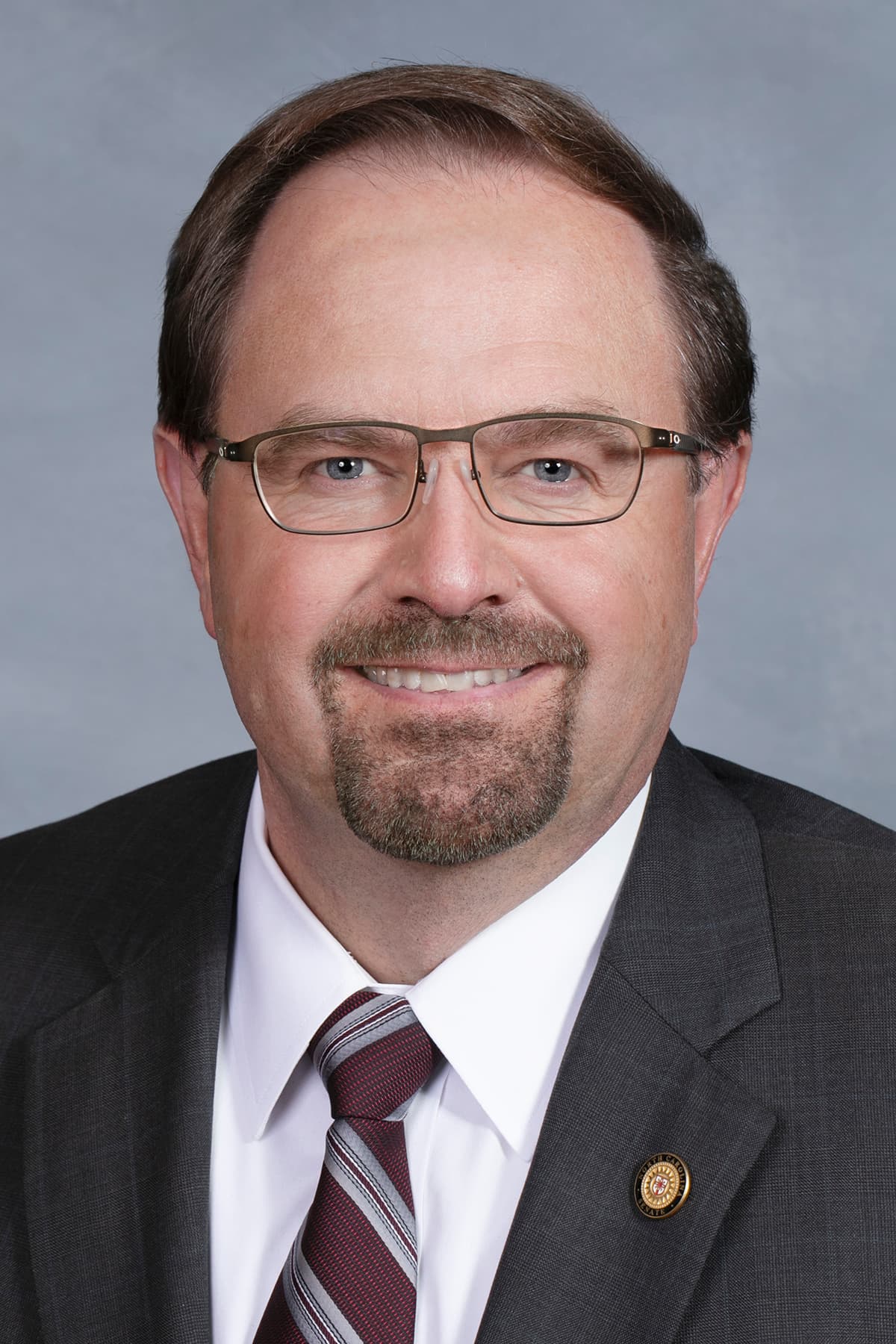
Public acknowledgments of ethics probes are uncommon, especially when they involve conduct inside a congressional office. Yet Edwards’ office chose to address the matter directly, saying he wanted the chance to answer the allegations. That response sets up a familiar test for Congress: whether a body built on peer oversight can enforce its own standards when the accusation involves power, access and the treatment of staff.
This article was produced by Prism’s automated news system from verified source data, official records, and press releases, then run through automated quality and moderation checks before publishing. The system is built and supervised by the people who set the standards it runs under. Read our full AI policy.
Did this article answer your question?

