Cruise demand keeps rising despite hantavirus and norovirus outbreaks
Three deaths aboard the MV Hondius did little to slow cruise bookings, even as 37.2 million passengers took sailings in 2025.

Cruise passengers kept booking cabins even after a hantavirus outbreak aboard the MV Hondius left three people dead and eight cases tied to a single ship carrying 147 passengers and crew. That tension captures the modern cruise market: travelers are accepting some health risk in exchange for bundled pricing, remote itineraries and the convenience of unpacking once while visiting multiple destinations.
The World Health Organization said the outbreak, first reported May 2, involved Andes hantavirus, the strain known for person-to-person spread. By May 8, the agency had counted eight cases and three deaths, with six laboratory-confirmed infections among people from 23 countries. The vessel had departed Ushuaia, Argentina, on April 1 and moved through the South Atlantic, stopping near Antarctica, South Georgia Island, Tristan da Cunha, Saint Helena and Ascension Island. WHO said the event posed a low global public health risk and was not the start of another COVID-like pandemic, but the international makeup of the passengers and crew made the response unusually complicated.

Cruise operators have had to manage that risk while selling a product that remains in demand. Cruise Lines International Association said global passenger volume reached a record 37.2 million in 2025, and nearly 90% of cruisers said they intended to sail again. That resilience has held even as the Centers for Disease Control and Prevention tracked 23 gastrointestinal illness outbreaks on cruise ships in 2025, with norovirus remaining the most common cause.
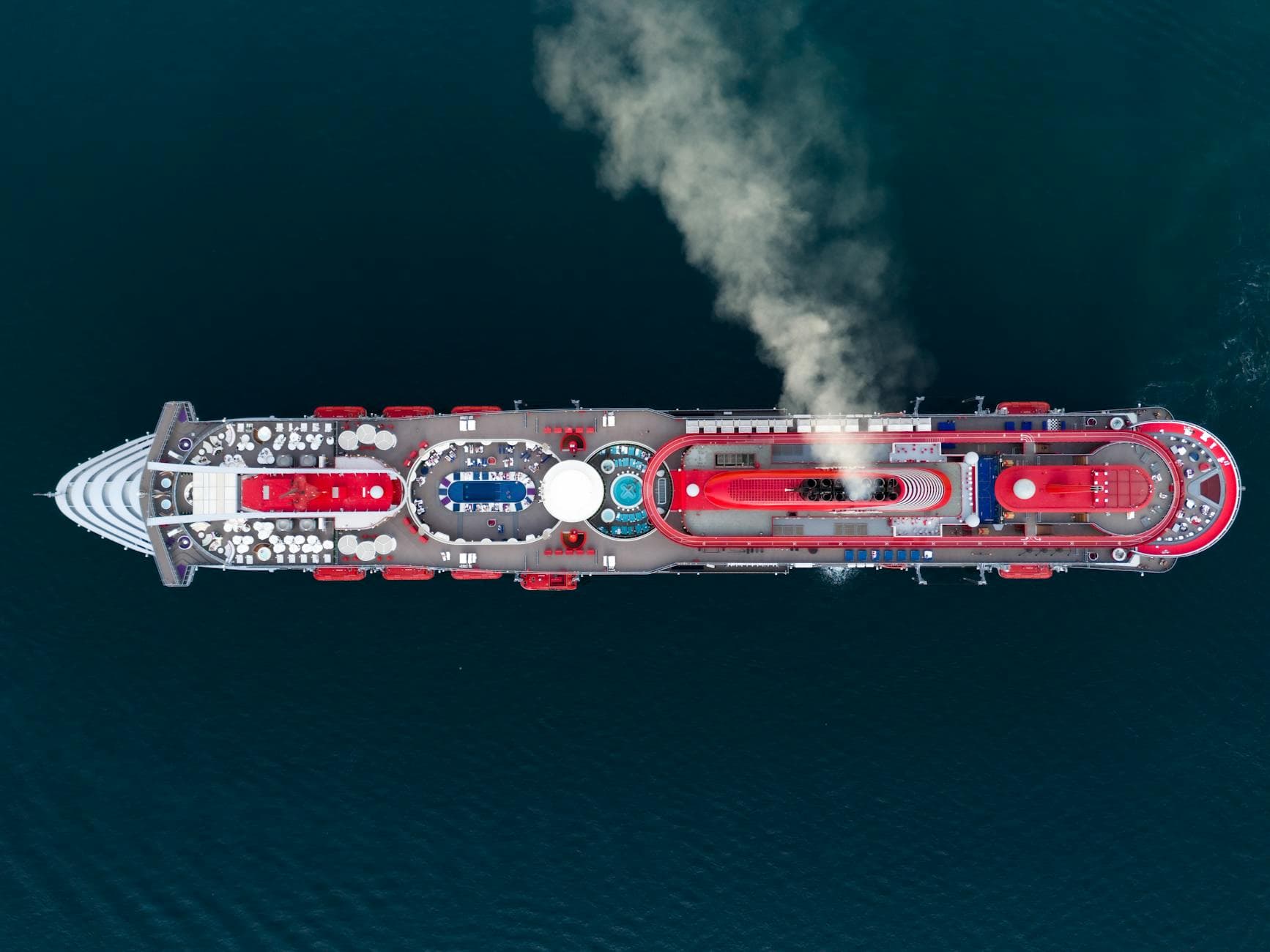
The CDC defines a cruise-ship gastrointestinal outbreak as illness affecting 3% or more of passengers or crew, a threshold that reflects how closely the industry is monitored. The agency’s Vessel Sanitation Program continues to log outbreaks and the response measures taken on ships in its jurisdiction, underscoring that sanitation is now part of the cruise pitch as much as the itinerary itself. For many travelers, the calculation is blunt: outbreaks at sea are real, but so are the savings, the convenience and the appeal of expedition cruises to places few people will ever reach.

That trade-off helps explain why repeated illness headlines have not derailed demand. Cruise lines have turned health controls into part of the operational baseline, but the market keeps rewarding them with fuller ships, longer itineraries and continued growth, even after a deadly outbreak in one of the industry’s most remote corners.
This article was produced by Prism’s automated news system from verified source data, official records, and press releases, then run through automated quality and moderation checks before publishing. The system is built and supervised by the people who set the standards it runs under. Read our full AI policy.
Did this article answer your question?
%3Amax_bytes(150000)%3Astrip_icc()%2FCertificate-of-deposit-2301f2164ceb4e91b100cb92aa6f868a.jpg&w=1920&q=75)