Cruise ship hantavirus outbreak kills three, CDC tightens exposure guidance
Three passengers died after an expedition cruise carried an Andes-virus cluster from Antarctica to Nebraska, forcing 17 Americans into 42-day monitoring.
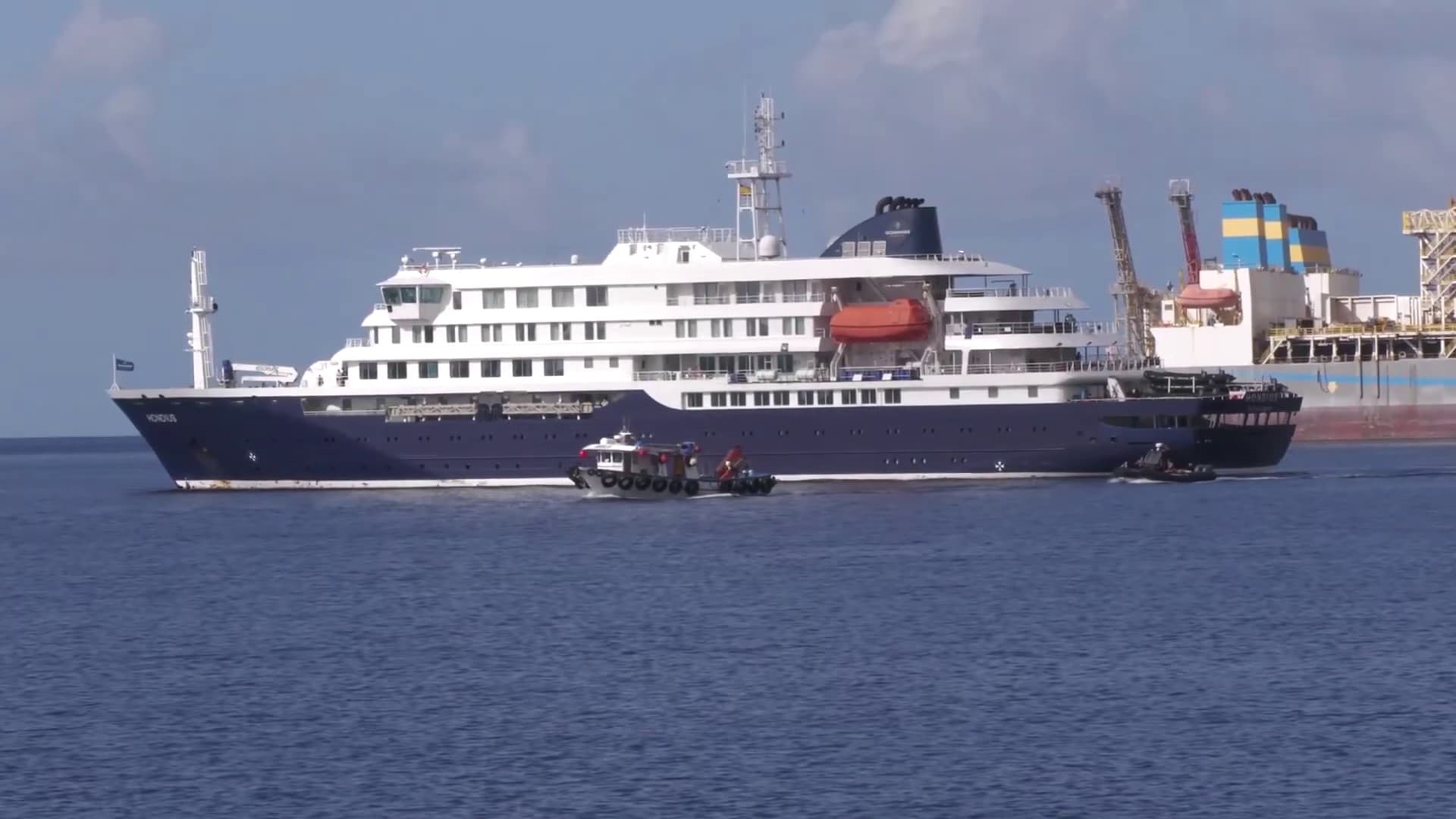
The voyage began as a remote luxury expedition and ended in a federal quarantine unit. The Dutch-flagged MV Hondius left Ushuaia, Argentina, on April 1 with 147 passengers and crew from 23 countries, then moved through some of the most isolated waters on earth, including Antarctica, South Georgia Island, Tristan da Cunha, Saint Helena, Ascension Island and Cabo Verde.
The first signs of trouble emerged days into the trip. The World Health Organization said illness onset among passengers fell between April 6 and April 28, with fever, gastrointestinal symptoms, rapidly worsening pneumonia, acute respiratory distress syndrome and shock. By May 2, WHO had been notified of a cluster of severe respiratory illness aboard the ship. By May 4, it had logged seven cases, including three deaths. By May 8, the Centers for Disease Control and Prevention said the count had risen to eight, with six confirmed cases and two suspected.
That timeline points to a breakdown chain that unfolded far from shore. A disease that can incubate for up to 42 days appears to have moved through the ship before the scale of the outbreak was understood, complicating screening and isolating passengers in a setting where medical evacuation was difficult and communication across an ocean was slower than the virus. The CDC later identified the strain as Andes virus, the only hantavirus known to spread person-to-person, a crucial detail that raised the stakes for cabin contacts, crew members and the people who would later receive the passengers in the United States.

The agency said the risk to the U.S. public remained extremely low, but it still activated its emergency response and sent staff to meet the ship in the Canary Islands on May 7. Seventeen American passengers were repatriated by State Department-arranged flight to Nebraska, where they were evaluated at the University of Nebraska Medical Center’s National Quarantine Unit in Omaha, the only federally funded quarantine unit in the country. Nebraska officials said one passenger who tested positive but had no symptoms was admitted to the biocontainment unit, while the rest were housed for observation. Two more passengers were being monitored at Emory University in Atlanta.
CDC tightened its exposure guidance in light of the case cluster, telling exposed contacts to monitor themselves for 42 days after the last possible exposure, take their temperature daily and self-isolate immediately if symptoms develop. The agency said the monitoring period for the repatriated Americans began on May 11 and that more than 100 staff members were working the response. The outbreak also reopened a longer public-health question: the United States has tracked hantavirus since the 1993 Four Corners outbreak, and from 1993 through 2023 recorded 890 cases, yet Andes virus remains uncommon in the U.S. and is not considered endemic. In this case, the danger came not only from the deaths, but from a rare hantavirus that proved it could travel cabin to cabin before officials could stop it.
This article was produced by Prism’s automated news system from verified source data, official records, and press releases, then run through automated quality and moderation checks before publishing. The system is built and supervised by the people who set the standards it runs under. Read our full AI policy.
Did this article answer your question?