CSIS study warns combined Russia-Ukraine military casualties near two million
A CSIS study finds combined Russian and Ukrainian military casualties near 1.8 million and warns the toll could reach nearly 2 million by spring 2026.
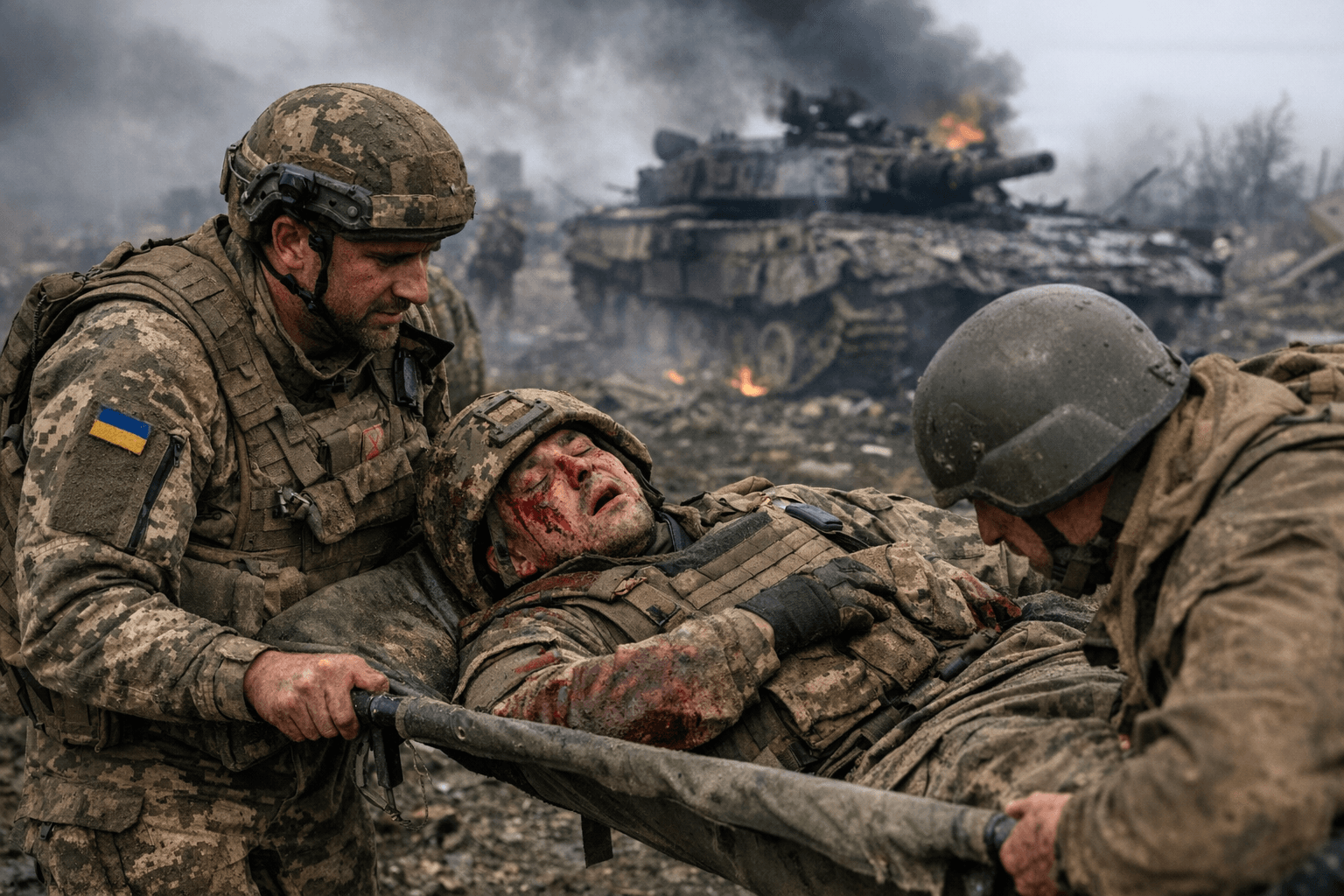
Combined Russian and Ukrainian military casualties are approaching 1.8 million and could swell to nearly 2 million by spring 2026, according to a study published Jan. 27, 2026 by the Center for Strategic and International Studies. The figure encompasses killed, wounded and missing personnel and, if sustained, would mark one of the highest attrition rates of any conflict in recent history.
The CSIS estimate underscores a war that has long since moved beyond a conventional border dispute into a prolonged, attritional conflict with broad regional and global consequences. High casualty totals strain not only frontline units but also medical systems, reserve pools and social cohesion in both countries. For Ukraine, continued losses complicate efforts to rebuild forces while maintaining domestic morale and civilian resilience. For Russia, large personnel shortfalls and repeated mobilization cycles feed political discontent and logistical bottlenecks that have already affected force posture and operational tempo.
Internationally, the projection poses dilemmas for Western capitals and partners who must balance military support with the political and moral implications of sustained combat. NATO members and other arms suppliers face intensified scrutiny over whether their assistance prolongs the fighting or helps stabilise front lines. European countries bordering Ukraine and Russia continue to manage refugee flows, security contingencies and the risks of spillover incidents that can heighten tension across the continent.
Beyond immediate battlefield effects, a near-2 million casualty count would deepen humanitarian and legal challenges. Large numbers of wounded and missing present long-term obligations under international humanitarian law related to the care of the injured, accounting for the missing and the treatment of prisoners. The scale of casualties also increases the burden on family networks and social services tasked with supporting veterans and bereaved relatives amid economic strain.
The CSIS projection arrives as both capitals face competing domestic pressures. Ukrainian leaders must sustain a war economy while pressing for Western aid, training and munitions. Russian authorities confront an electorate fatigued by losses and a security apparatus that has had to adapt conscription, recruitment and force-generation practices. Both societies carry historical memories of sacrifice that shape public reactions to further escalations and to any negotiated settlement.
For diplomacy, the study is a sobering recalibration of costs that could influence international mediation efforts. Policymakers in Washington, Brussels and across Asia will weigh the report as they consider sanctions, arms transfers and diplomatic initiatives. The projection also highlights the role of regional actors, including Turkey and states in the Middle East, whose mediation or balancing strategies could become more consequential if Western unity wavers.
The CSIS estimate does not directly address civilian casualties or the full economic toll, both of which remain profound and intertwined with the military casualty count. As winter thins into spring, the trajectory of losses will depend on battlefield dynamics, the effectiveness of medical evacuation and treatment, and political decisions in Kyiv, Moscow and among their international backers. The study’s stark numbers add urgency to conversations about de-escalation, sustained humanitarian access and the long-term stability of European security architecture.
This article was produced by Prism’s automated news system from verified source data, official records, and press releases, then run through automated quality and moderation checks before publishing. The system is built and supervised by the people who set the standards it runs under. Read our full AI policy.
Did this article answer your question?


