Cuba 2026: Bring USD or EUR, Cash Dominates and Cards Unreliable
Cash rules daily life for tourists in Cuba in 2026, bring USD or EUR, plan a cash buffer, and treat cards and ATMs as unreliable options.
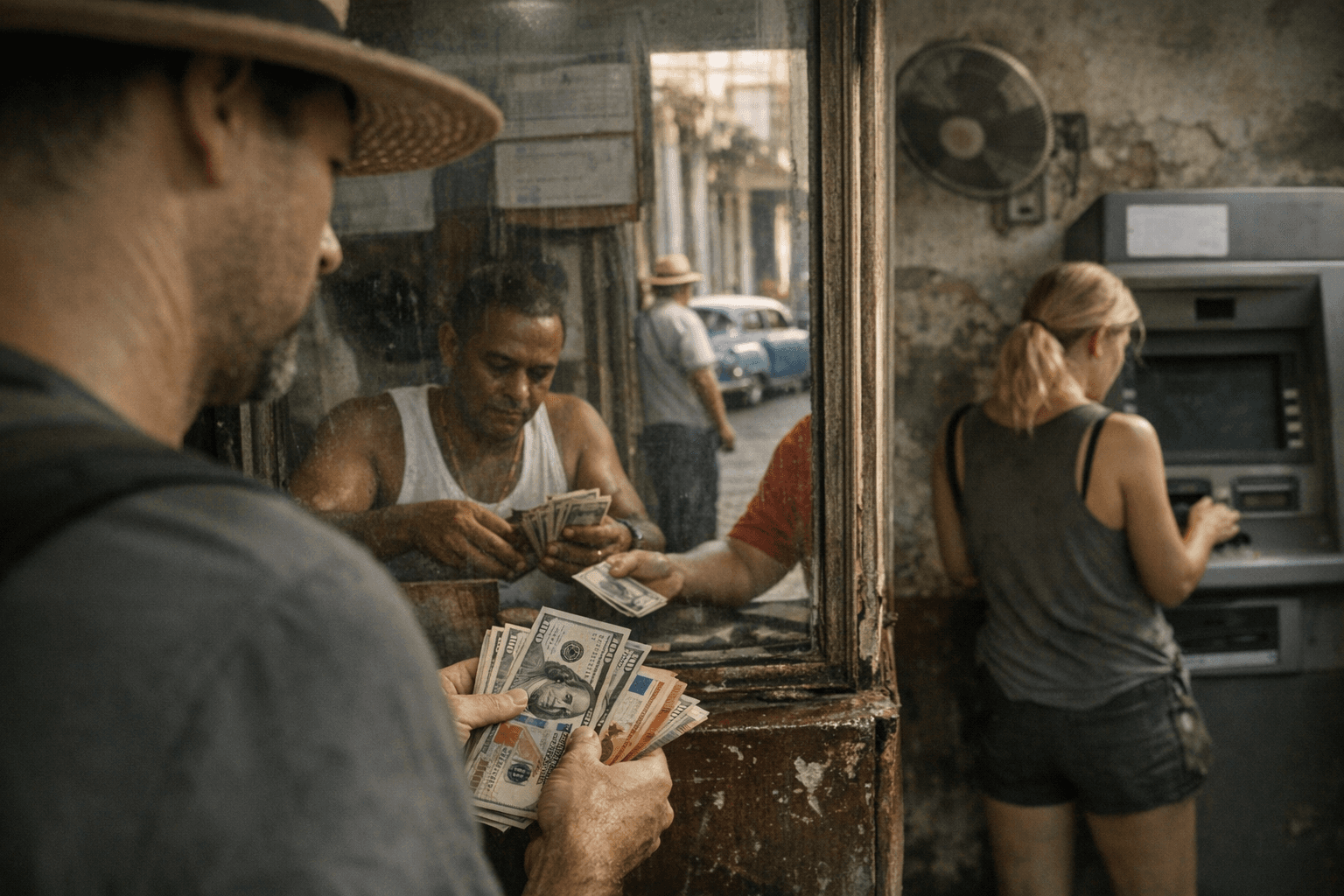
Tourists arriving in Cuba should plan their wallet first. Cash remains the most reliable payment method for everyday spending in Cuba, and hard currency - US dollars or euros - will get you through most private-sector transactions and tips. That reality matters because U.S.-bank-issued cards often do not work, ATMs can be unavailable or give poor value, and informal exchange options carry legal and scam risks.
Marysol Travel captures the travel trade tone: "Cuba is still one of the most rewarding destinations in the Caribbean - culturally rich, safe to travel with the right preparation, and full of warm human moments you don’t find anywhere else." Yet the site warns bluntly that "If there's one thing that can create stress for travelers, it's money in cuba" and urges that "At Marysol Travel, our rule is straightforward: cash planning is part of trip planning." U.S. travelers should note that the U.S. Embassy advises that U.S. credit and debit cards cannot be used in Cuba and to bring sufficient cash.
For budgeting, a practical benchmark is available: "Independent travellers should arrive with enough money for their trip; US$100 (£74) per day is a good guide." Adjust that by itinerary style, length of stays outside major cities, and plans for excursions. Bring a mix of denominations: small US dollar bills for tips and snacks, and larger bills for tours and shopping. A traveler report from Varadero suggests bringing a mix of USD and Canadian dollars for value and convenience on some exchanges.
Card and ATM realities are uneven. National Geographic notes that Visa and Mastercard credit cards not affiliated with U.S. banks work in the state-run sector, including many hotels, government-affiliated restaurants, shops, Víazul buses and organized activities. At the same time tour operators and travelers warn that ATMs may be out of cash, suffer power outages, or be blocked by banks. One traveler post reported conflicting ATM exchange observations, and so anecdotal numeric exchange rates should be treated with caution.
Exchange options include official CADECA exchange houses, some hotel desks, and ATMs dispensing local Cuban pesos (CUP). Cubagrouptour outlines a CADECA option many travelers encounter: you "can buy a MLC pre-paid debit card at any CADECA exchange house," available in denominations of US$50 to $1000, not purchasable with USD, charged US$5, non-refundable, and valid for two years. Tour operators advise that most visitors never need MLC cards if they avoid government businesses, but the option exists.
Stay practical and secure. Organize CUP into bundles of 1,000 and wrap one bill around each bundle to keep them sorted. Carry daily cash in a money belt, lock surplus cash in your room, and agree taxi fares up front. Avoid street solicitations for exchange; Marysol Travel and Cubagrouptour warn that "street rates" can carry legal, scam, and counterfeit risk.
What this means for your trip: bring USD or EUR, budget roughly US$100 a day as a starting point, and carry a cash buffer. Confirm current ATM and CADECA rules and the U.S. Embassy advisories before you travel, and plan exchanges through hotels, CADECA, or trusted guides rather than street deals. Proper cash planning will keep the trip cultural and low stress, and let you spend time on the music, beaches, and casas particulares rather than on financial headaches.
Know something we missed? Have a correction or additional information?
Submit a Tip