Cuba confirms respectful talks with U.S. officials amid energy crisis
Cuba said U.S. diplomats met officials in Havana as blackouts and fuel shortages deepened, with the embargo still the central obstacle.
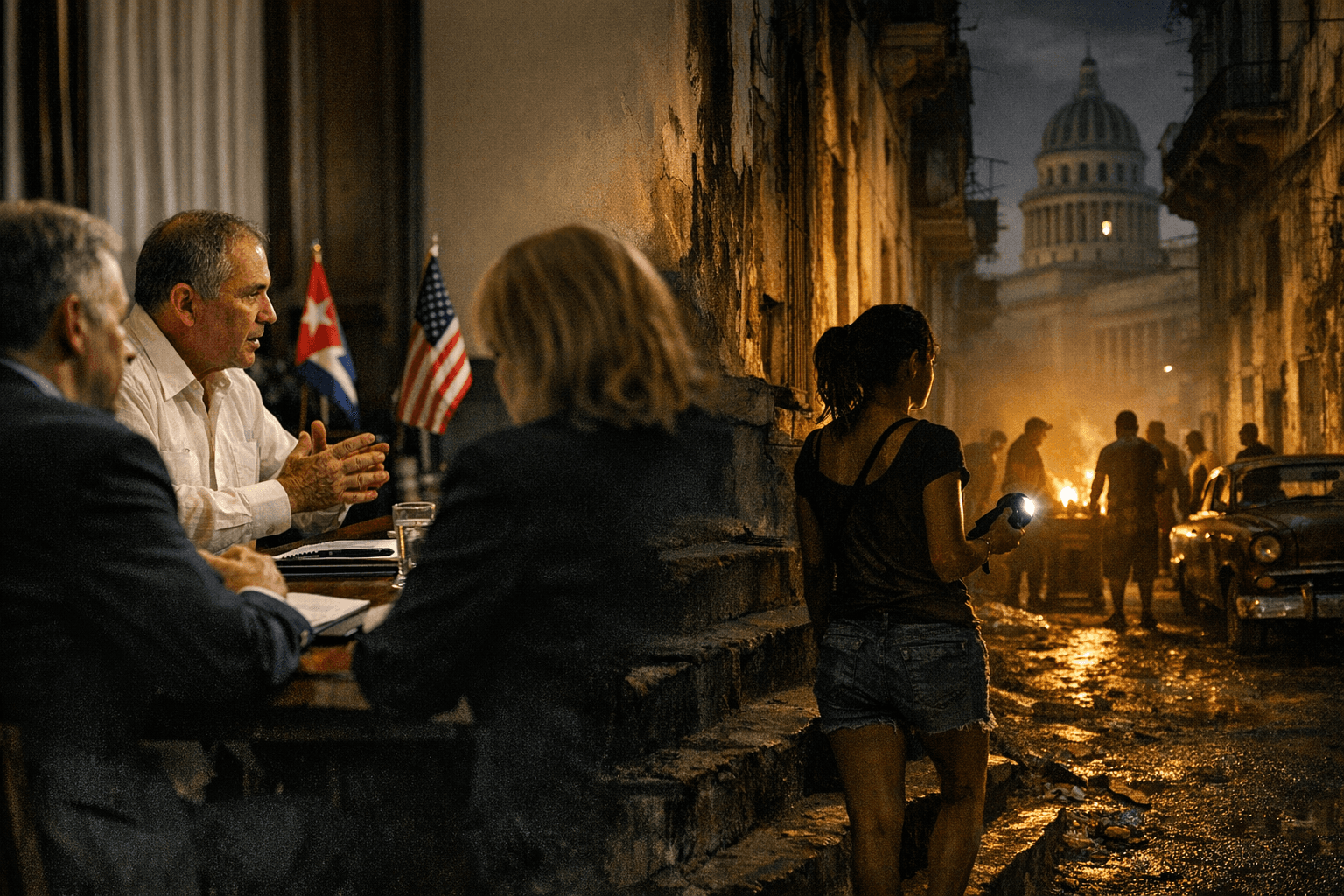
Cuba confirmed that U.S. officials met with its government in Havana as the island’s energy crisis sharpened, a rare exchange that the Cuban side described as respectful and professional even as both governments kept their core demands intact.
Alejandro García del Toro, a Cuban Foreign Ministry official, said the talks included assistant secretaries of state from the U.S. side and deputy foreign minister-level officials from Cuba. He said the meeting was held in Havana and that ending the energy embargo was a top priority for the Cuban delegation. Cuban officials also said the U.S. delegation did not issue threats or deadlines.
The encounter carried added weight because senior U.S. State Department officials have said American diplomats flew to Cuba earlier in April 2026 for the first time since 2016. Neither government has said exactly when the meeting took place or named all of the Americans who attended, leaving the scope of the contact partly undefined even as the diplomatic signal was unmistakable.
The talks came as Washington kept pressing Cuba to end political repression, release political prisoners and open its ailing economy. The United States has maintained a comprehensive economic embargo on Cuba since February 1962, a policy that remains the sharpest source of friction between the two governments. Cuba has rejected the idea that the latest exchange produced any ultimatum.
The backdrop in Havana is increasingly severe. Cuba has suffered repeated nationwide blackouts and severe fuel shortages that have choked transport, industry and daily life. A United Nations report said humanitarian needs on the island remained “quite acute and persistent” after Washington took measures at the end of January 2026 to block oil supplies entering Cuba, and said the effects of the energy shock had worsened since the end of March 2026.
The exchange also unfolded against a hardening political climate. Donald Trump has threatened tariffs on any country that sells or supplies oil to Cuba and has warned of possible intervention. Last week, Cuban President Miguel Díaz-Canel said Cuba was prepared to fight if attacked. For now, the Havana meeting looks like one of the few remaining channels for direct contact between the two governments, focused less on a broader thaw than on whether either side can manage the crisis without letting it spiral further.
This article was produced by Prism’s automated news system from verified source data, official records, and press releases, then run through automated quality and moderation checks before publishing. The system is built and supervised by the people who set the standards it runs under. Read our full AI policy.
Did this article answer your question?