Cuba faces fuel exhaustion as U.S. blockade deepens blackouts
Diesel and fuel oil ran out in Cuba as U.S. restrictions on tanker deliveries squeezed an already fragile grid. Havana has seen blackouts of up to 22 hours a day.
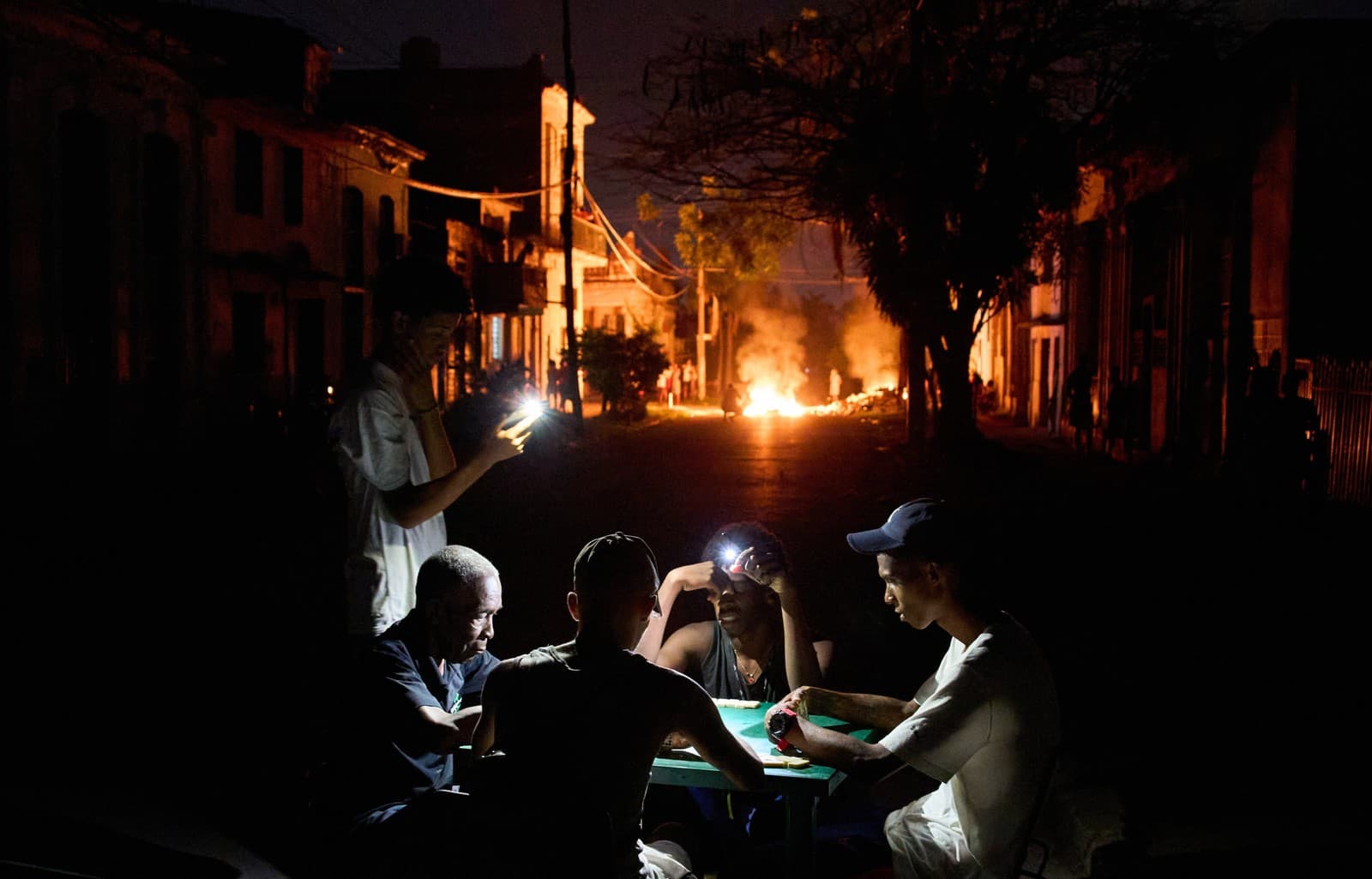
Cuba’s energy system was pushed to the edge after Washington tightened pressure on fuel shipments in January, cutting off a critical source of diesel and fuel oil just as the island was already struggling with an aging grid and repeated power failures. On May 14, Cuba’s energy minister, Vicente de la O Levy, said the country had run out of diesel and fuel oil, leaving only limited domestic gas production to keep the electricity system functioning.
The latest squeeze built on a broader campaign under President Donald Trump, who vowed to stop Venezuelan oil and money from reaching Cuba and later expanded pressure to fuel deliveries that included shipments originating in Russia. The U.S. Treasury Department said Cuba would not be allowed to take delivery of Russian crude, and the Office of Foreign Assets Control added Cuba to a list of countries blocked from transactions involving Russian crude or petroleum products.
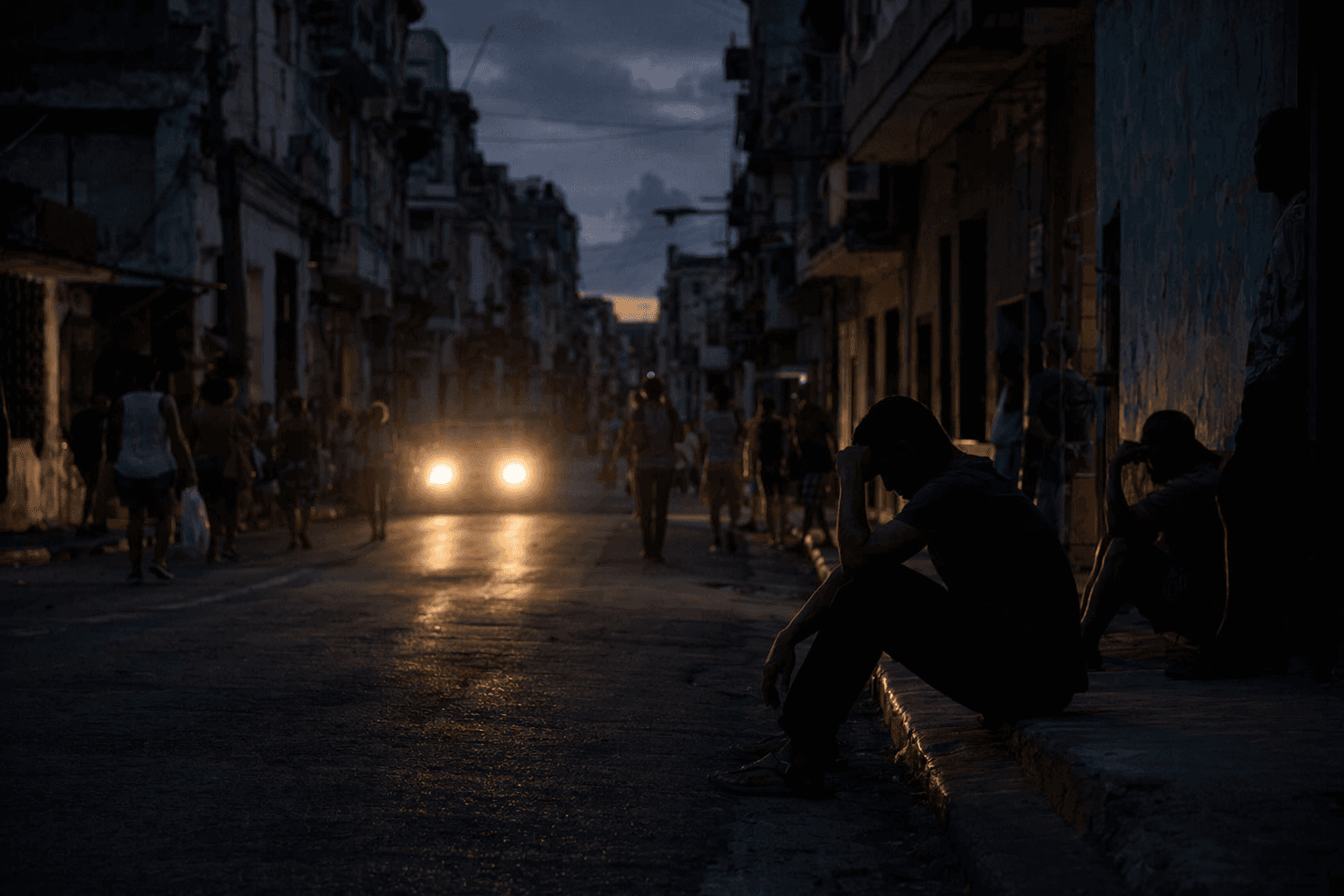
The immediate effects have been felt in daily life across Havana, where rolling blackouts have lasted as long as 20 to 22 hours a day in some areas. Protests broke out in the capital on May 13 as residents endured the worst rolling blackouts in decades. For many households, the cuts have meant more than discomfort, they have disrupted cooking, refrigeration, communications and basic routines in a city that cannot function normally without steady electricity.
The shortages have also hit transportation. In February, Cuban aviation authorities warned that jet-fuel shortages would force a month-long suspension of refueling services for international airlines, another sign that the crisis was spilling from the power sector into the wider economy. The government has blamed the U.S. fuel blockade for the worsening shortage, while the humanitarian fallout has deepened as fuel becomes harder to secure for essential services.
Still, Cuba’s crisis did not begin with the January restrictions. Analysts and reporters have linked the collapse to years of dependence on imported fuel, poor maintenance and an electricity system strained by age and neglect. The island suffered a nationwide power-grid collapse in September 2025, underscoring how brittle the system had already become after repeated blackouts in 2024 and 2025.
In May, United Nations experts said the January executive order amounted to “energy starvation” with grave consequences for human rights and development. That judgment captured the central reality facing Cuba now: the U.S. blockade has tightened the noose around an already fragile energy system, but the country’s long-running structural failures have left little margin for survival.
Know something we missed? Have a correction or additional information?
Submit a Tip