Cuban Journalist Henry Constantín Released After 44-Hour Incommunicado Detention Amid Funerary Events
Independent journalist Henry Constantín was released after 44 hours held incommunicado during heavy security around funerary events for officers killed in Venezuela - a development that raises fresh concerns about press freedom in Cuba.
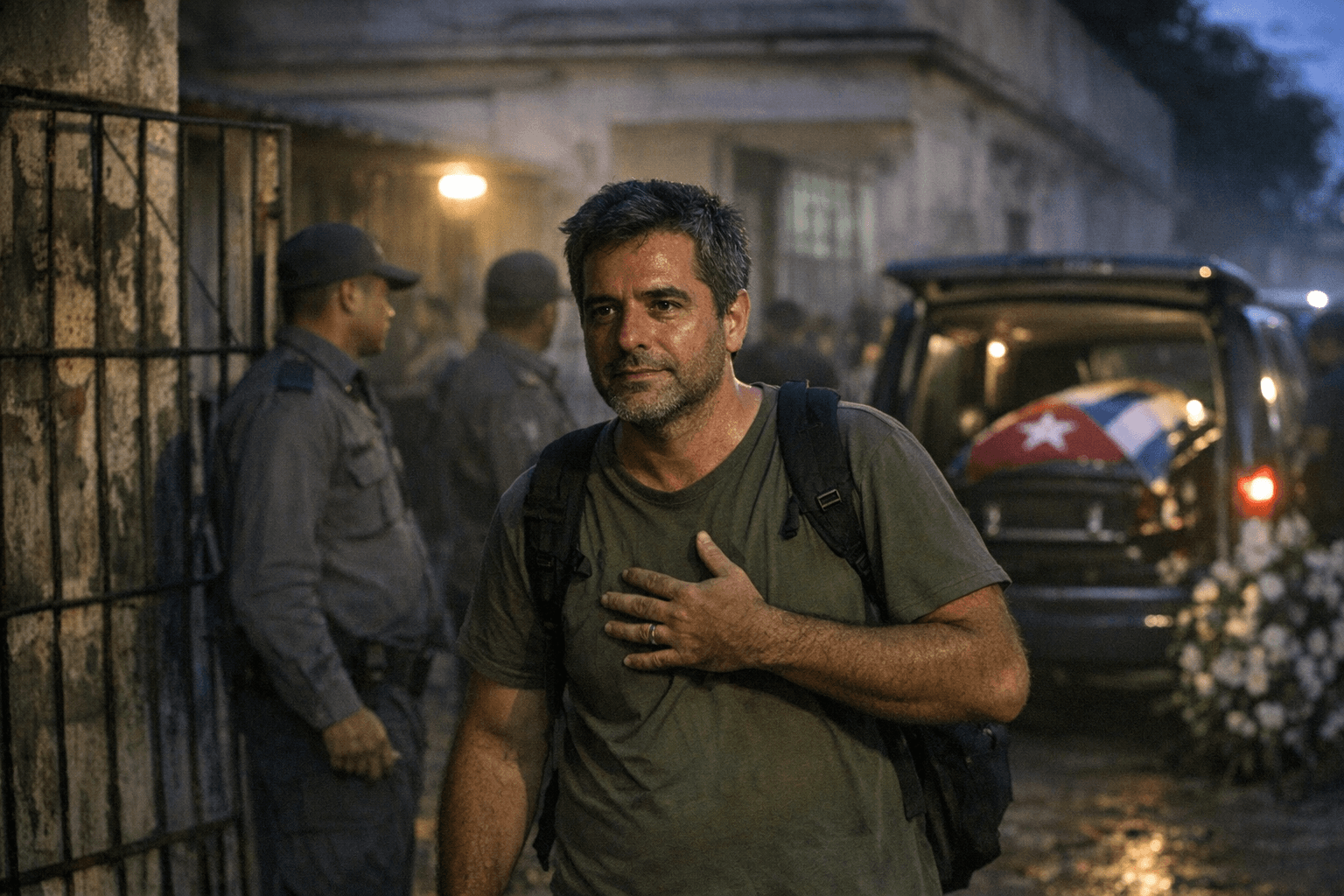
Independent journalist Henry Constantín, director of La Hora de Cuba and regional vice-president for press freedom at the Inter American Press Association (IAPA), was released after 44 hours in detention and held incommunicado during a period of heightened security in Havana tied to funerary events for Cuban officers killed in Venezuela. Authorities released Constantín without charges after the short-term detention, a step that drew concern from peers and press freedom advocates.
Constantín’s detention occurred amid intensified police and state security activity around public ceremonies and funerary processions. The timing curtailed his ability to report on events of public interest and underscored a pattern of brief incommunicado detentions used to disrupt independent reporting. Short detentions without access to communication or legal counsel leave journalists unable to document incidents, verify developments for audiences, or alert colleagues and family.
The arrest and release of a prominent independent journalist carries practical consequences for communities that depend on non-state news outlets. Families of the deceased, attendees at funerary events, and residents seeking clear information found independent coverage constrained while security forces controlled access and movement. For journalists, the episode reinforces the operational risks of covering politically sensitive moments in Havana and the need for rapid safety protocols and redundancy in communications.
Constantín’s roles at La Hora de Cuba and the IAPA place him at the center of Cuba’s fragile independent media ecosystem. His detention without charge highlights longstanding tensions between independent reporters and security services, and it sharpens attention on the use of short-term, incommunicado measures that can function as warning signals to other reporters. Such practices reduce transparency, fuel self-censorship, and narrow the flow of information on matters that affect public life and state accountability.
Practical steps follow from this episode. Journalists should document and timestamp incidents of detention or harassment, preserve evidence of communications blackouts, and notify press freedom organizations and professional networks as soon as it is safe to do so. Readers can support resilient local coverage by following and sharing verified reporting from independent outlets like La Hora de Cuba and by demanding clarity from official channels about restrictions on access during public events.
What happens next will matter for daily reporting in Havana and beyond. If short-term incommunicado detentions persist around high-profile ceremonies and state-controlled events, expect further erosion of independent coverage and increased obstacles for citizens seeking reliable information. Monitoring, documentation, and solidarity among journalists and audiences will shape whether this episode remains an isolated disruption or becomes a more entrenched tactic.
Know something we missed? Have a correction or additional information?
Submit a Tip