Cuba’s 1996 downing of civilian planes, a flashpoint in U.S. policy
Cuban jets shot down two exile planes over the Florida Straits, killing four men and igniting a U.S. policy fight that still shapes South Florida politics.
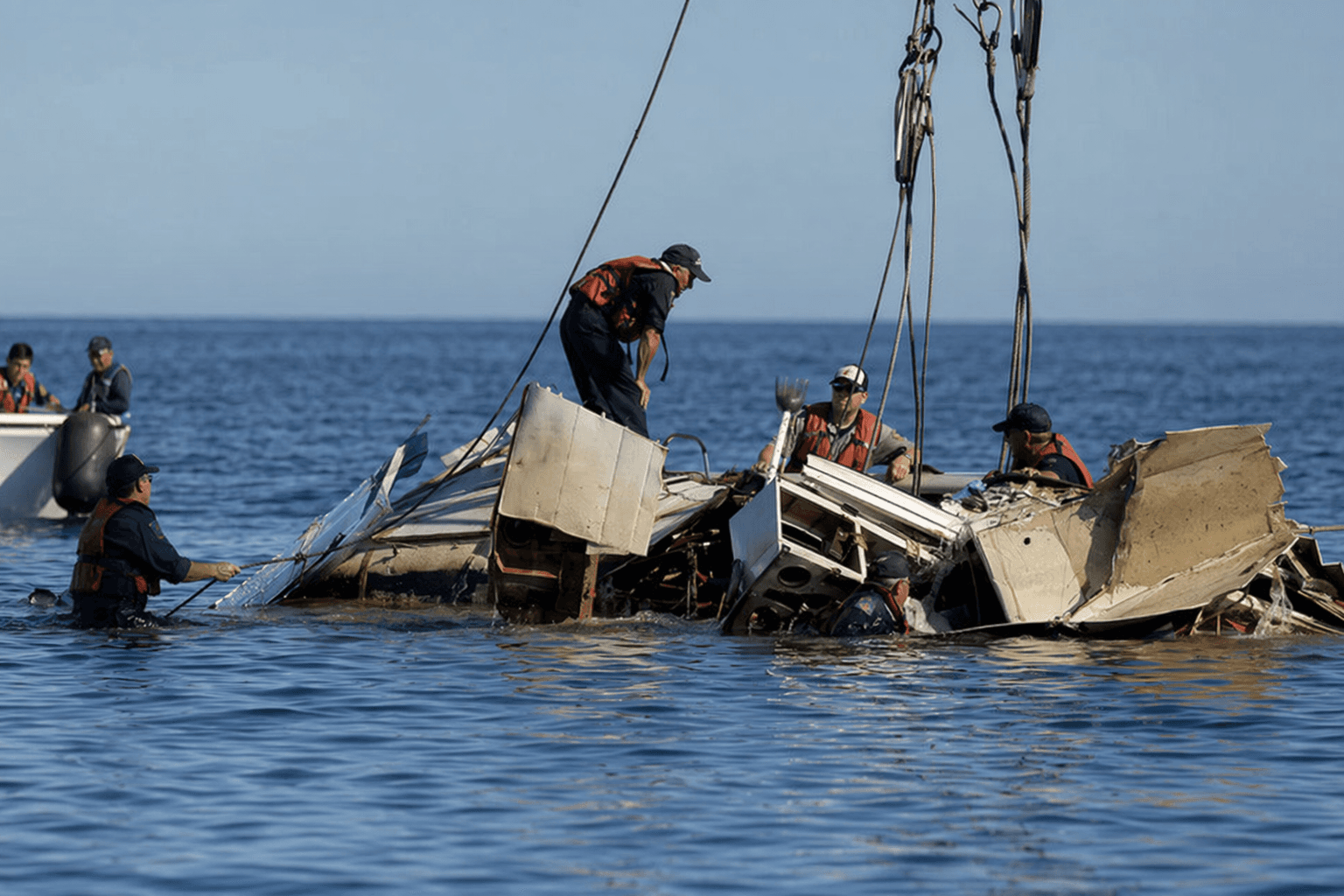
The downing of two civilian planes by Cuba on Feb. 24, 1996, became one of the sharpest ruptures in modern U.S.-Cuba relations. The aircraft, two U.S.-registered Cessnas operated by Brothers to the Rescue, a Miami-based Cuban exile search-and-rescue group funded by private donations, were destroyed in an episode that killed Carlos Costa, Armando Alejandre Jr., Mario de la Peña and Pablo Morales. A third Brothers to the Rescue plane, flown by José Basulto, escaped.
The dispute quickly hardened into competing narratives that still echo in South Florida. U.S. officials said the planes were in international airspace, over the Florida Straits, and insisted Cuba had used force against civilian aircraft where it had no right to do so. Cuba said the flights violated its sovereignty and were part of repeated incursions by the group. That unresolved clash over where the planes were flying, and whether they were over international waters or Cuban airspace, remains central to how the episode is remembered in exile communities and in broader arguments over U.S.-Cuba policy.
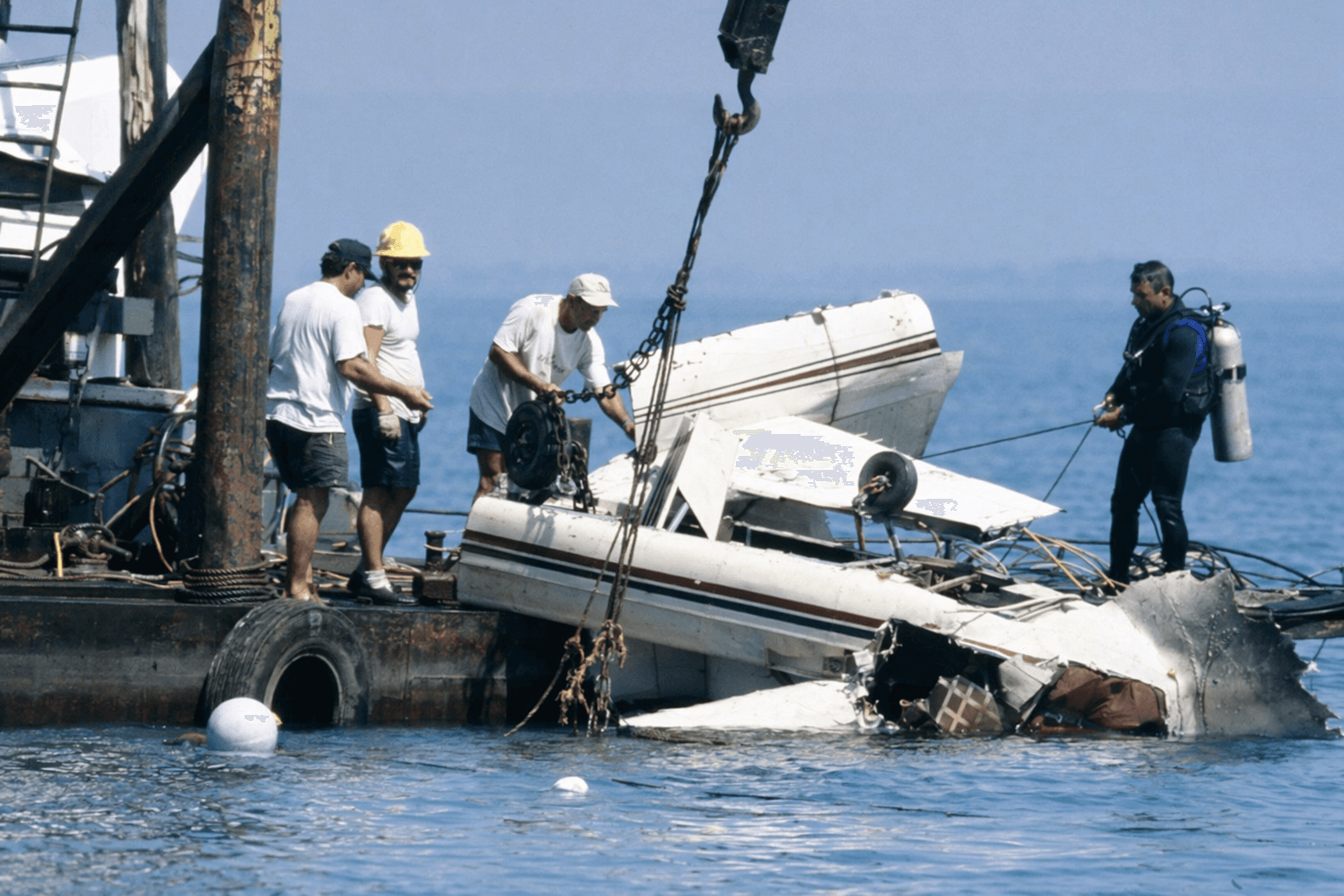
The international reaction was immediate. On Feb. 27, 1996, the United Nations Security Council issued a presidential statement strongly deploring the shooting down and noting that four people appeared to have died. Later, on July 26, 1996, the council adopted Resolution 1067, which endorsed the findings of the International Civil Aviation Organization and said Cuba had violated civil aviation rules, including the principle that states must refrain from using weapons against civil aircraft in flight. The ICAO investigated the incident and referred the matter onward after concluding Cuba had violated those rules.
In Washington, the attack helped drive a policy shift that went well beyond condemnation. Congress passed the Helms-Burton Act by overwhelming margins, and President Bill Clinton signed it into law on March 12, 1996. The measure deepened the legal and political framework of U.S. pressure on Havana and turned the plane shootdown into a lasting flashpoint, not only for bilateral diplomacy but also for exile politics in Miami, where memory of the four deaths still carries political weight. Nearly three decades later, the incident remains a reminder that old geopolitical wounds between Cuba and the United States continue to shape the present.
Know something we missed? Have a correction or additional information?
Submit a Tip