Trump warning on Taiwan independence raises U.S.-China tensions
Trump’s warning on Taiwan independence sharpened a dispute most Taiwanese see differently: preserve de facto self-rule, avoid war, and do not force a formal break with China.
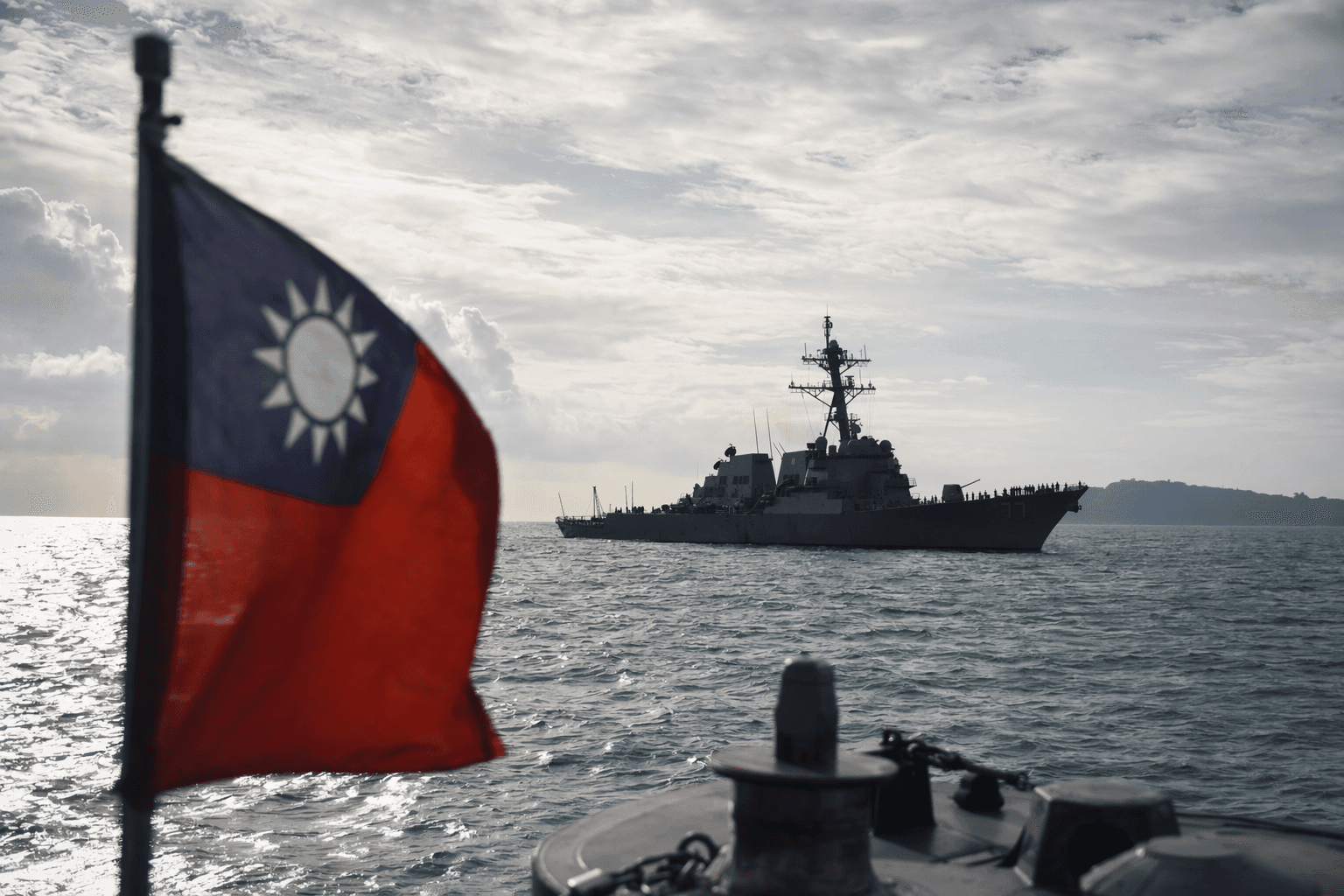
Trump’s warning on Taiwan independence lands in a dispute that Washington and Beijing have treated as one of the most dangerous in global politics, but Taipei’s priorities are narrower and more practical: keep Taiwan’s de facto autonomy intact without crossing a line that could trigger war.
The legal and diplomatic framework dates to 1979, when the United States established relations with the People’s Republic of China and Congress passed the Taiwan Relations Act on April 10 of that year. Washington recognized Beijing as the sole legal government of China in the 1979 joint communiqué, yet kept an unofficial relationship with Taiwan through the American Institute in Taiwan. The State Department says U.S. policy does not support Taiwan independence and opposes unilateral changes to the status quo by either side.
That gap between U.S. rhetoric and Taiwan’s politics is where the latest tension is most easily misunderstood. Taiwan is a vibrant democracy and a major technology power, but it has no formal diplomatic relations with Washington. Its foreign ministry said maintaining the status quo in the Taiwan Strait remains its position and that Beijing has no right to claim jurisdiction over Taiwan. For Taiwanese leaders, the central issue is not a declaration of independence, but the preservation of the island’s existing self-government.
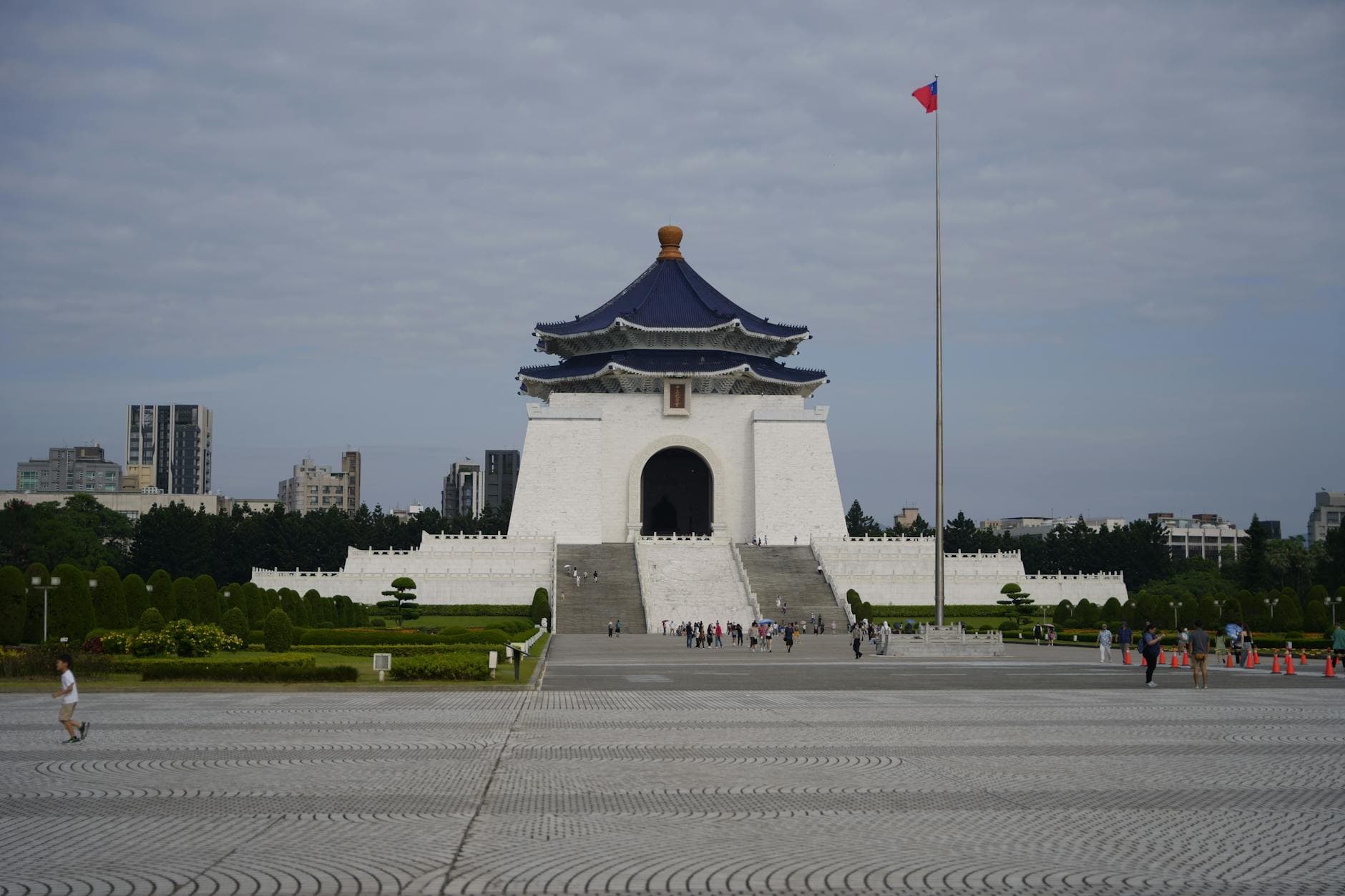
Beijing sees the matter in far starker terms. China calls Taiwan part of China and, according to State Department background material, has never renounced the use of force to take control of the island. Chinese officials have also broadened their definition of “Taiwan independence” in recent years, extending it beyond formal declarations to encompass other political expressions of a separate Taiwanese identity. That wider interpretation makes careless language in Washington especially risky.
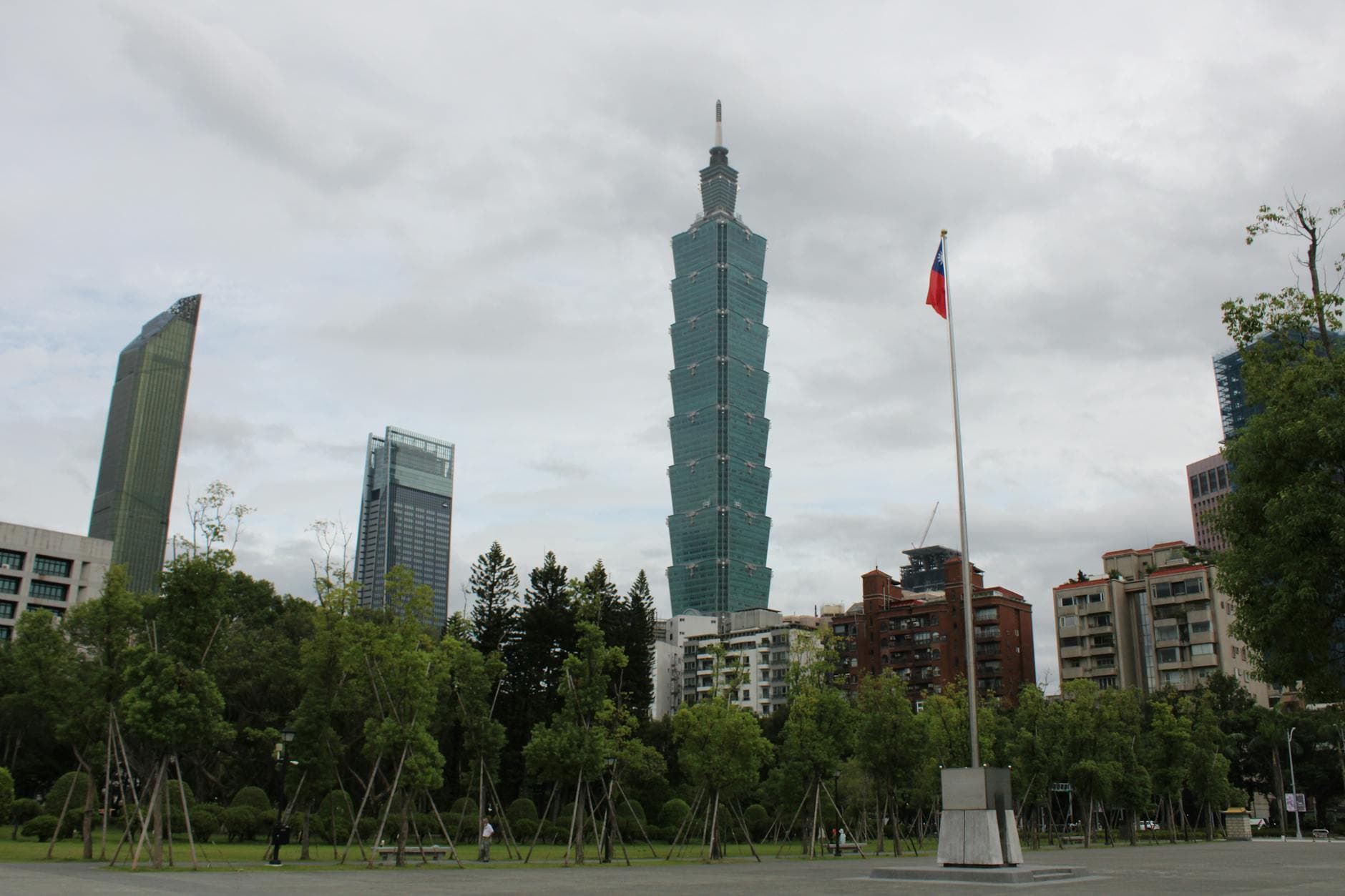
The European Council has taken a similar line, saying it opposes any unilateral attempts to change the status quo by force or coercion and reaffirming the European Union’s one China policy. That overlap underscores how closely allies watch the Taiwan Strait, which policymakers widely describe as the likeliest flash point in U.S.-China relations.
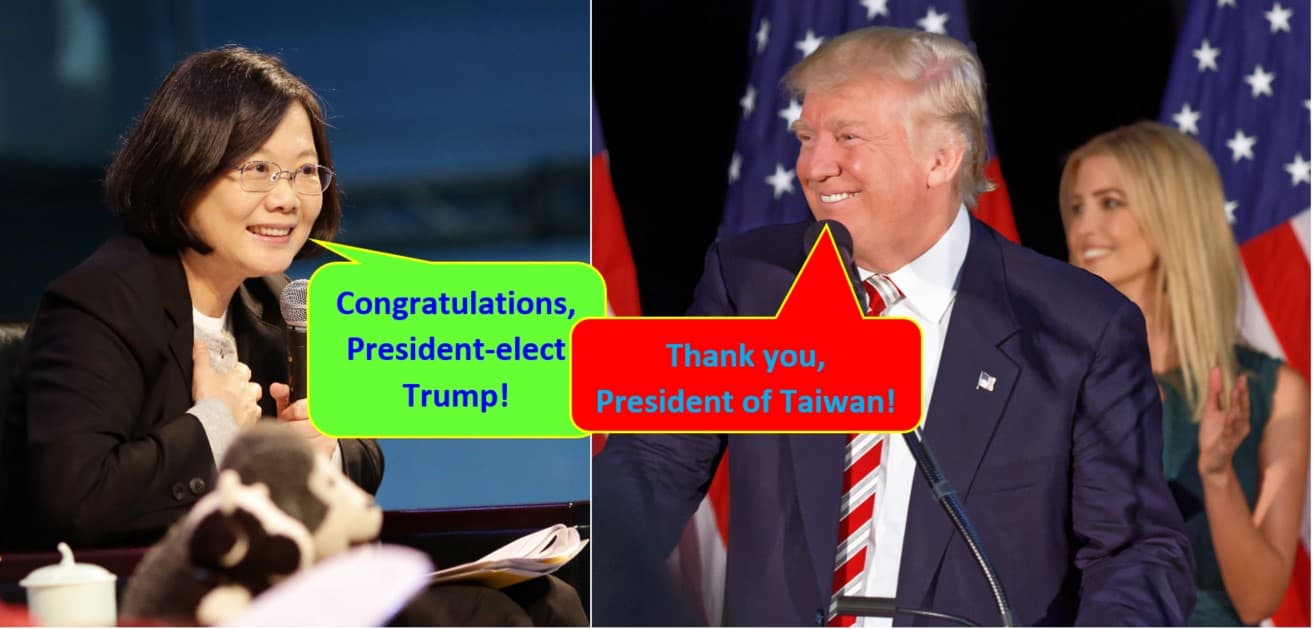
Inside Taiwan, Trump’s warning could also complicate domestic politics. Commentators there say it may sharpen debate over the ruling Democratic Progressive Party and President Lai Ching-te’s stance, especially because Lai has said Taiwan already sees itself as sovereign and does not need to declare formal independence. For voters, the political center of gravity remains clear: preserve the island’s current democratic reality, resist coercion, and avoid giving Beijing a pretext for escalation.
Know something we missed? Have a correction or additional information?
Submit a Tip