Nauru parliament backs name change to Naoero, referendum ahead
Nauru's parliament cleared a bid to rename the island Naoero, a move leaders cast as a break from colonial language and a claim to Nauruan identity.
Nauru moved a step closer to shedding its colonial-era name when parliament approved a constitutional amendment to rename the country Naoero, leaving the final decision to voters in a national referendum. All 16 members present backed the measure, a strong show of unity for a state that is trying to recast its public identity in its own language rather than the one long used abroad.
President David Adeang first tabled the proposal on 29 January 2026 as the Constitution (Amendment) (No. 2) Bill 2026. In his second-reading speech, Adeang said the change would more faithfully honor Nauru’s heritage, language and identity. The government has framed the move as an effort to restore the island’s traditional Nauruan name, Naoero, and to move away from a label inherited from the colonial period.
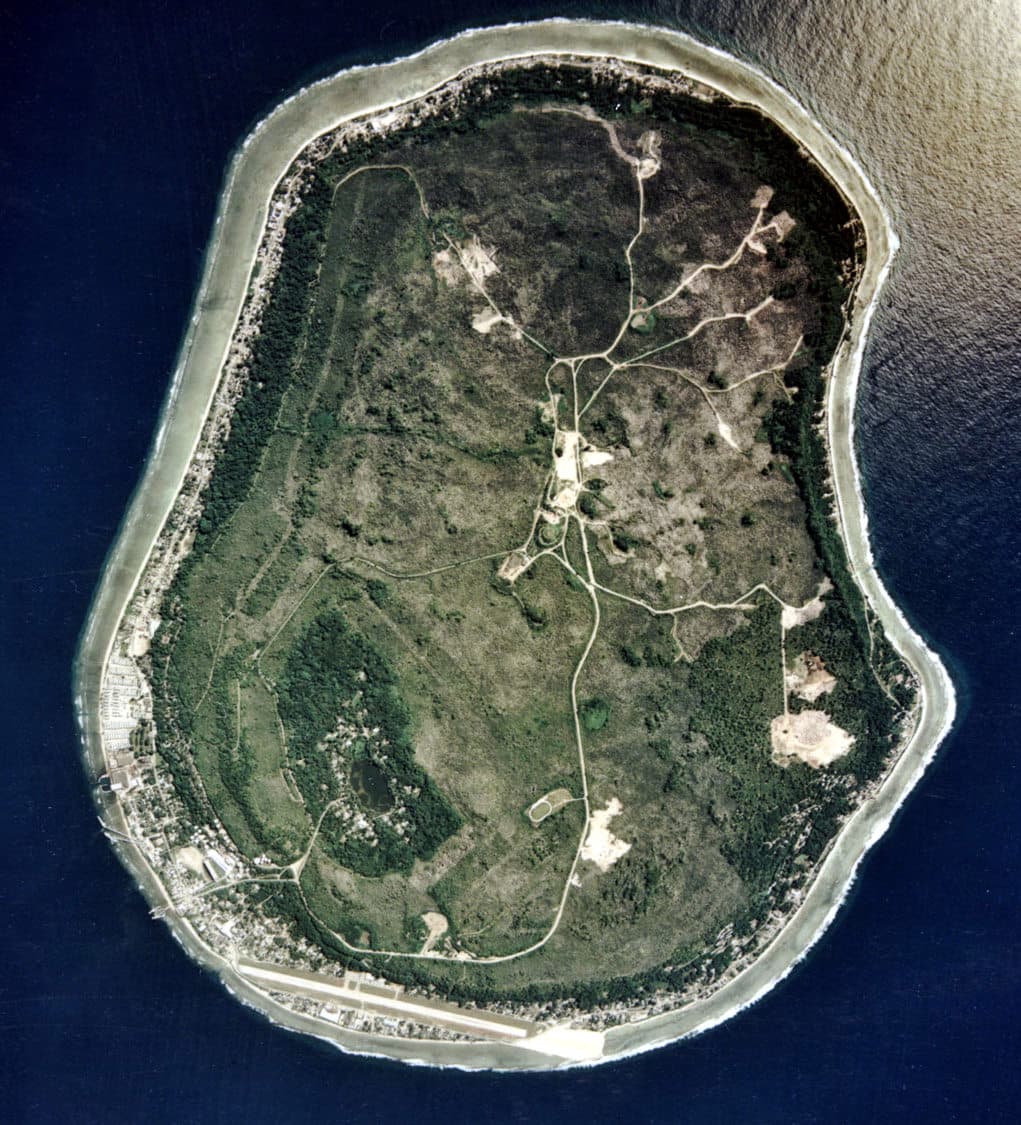
That symbolism carries unusual weight in a country of about 12,500 people spread across just 21 square kilometers. Nauru is one of the world’s smallest sovereign states and, despite its size, has had to defend its place on the international stage while managing deep economic and political strain. The island is also unusual in another way: it has no official capital, and government offices are in Yaren, a district that functions as the center of state administration.
Language sits at the heart of the proposal. Nauruan is widely spoken across the population, and officials say the name Naoero better reflects the island’s own linguistic and cultural inheritance. The constitutional change would replace the international name Nauru with Naoero in the constitution and official state usage if voters approve it, turning what might look like a branding update into a statement about post-colonial self-definition.
The referendum will also test how Nauru uses direct democracy. The government says the first referendum in the country was held on 27 February 2010. A later vote in October 2025, on extending parliamentary terms, failed after 44.7% of valid ballots backed the change. This latest ballot comes after a period of wider turbulence, including a major Australian deal in 2025 to resettle members of the NZYQ cohort and continuing scrutiny of Nauru’s governance and finances. For a small republic, the name change is about more than paperwork: it is a bid to assert sovereignty, history and belonging in the language of the nation itself.
Know something we missed? Have a correction or additional information?
Submit a Tip