Cuba’s elderly bear the brunt of deepening economic crisis, AP reports
Cuba’s oldest residents are lining up for church meals as fuel shortages, migration and collapsing services strip away the support system they depend on.
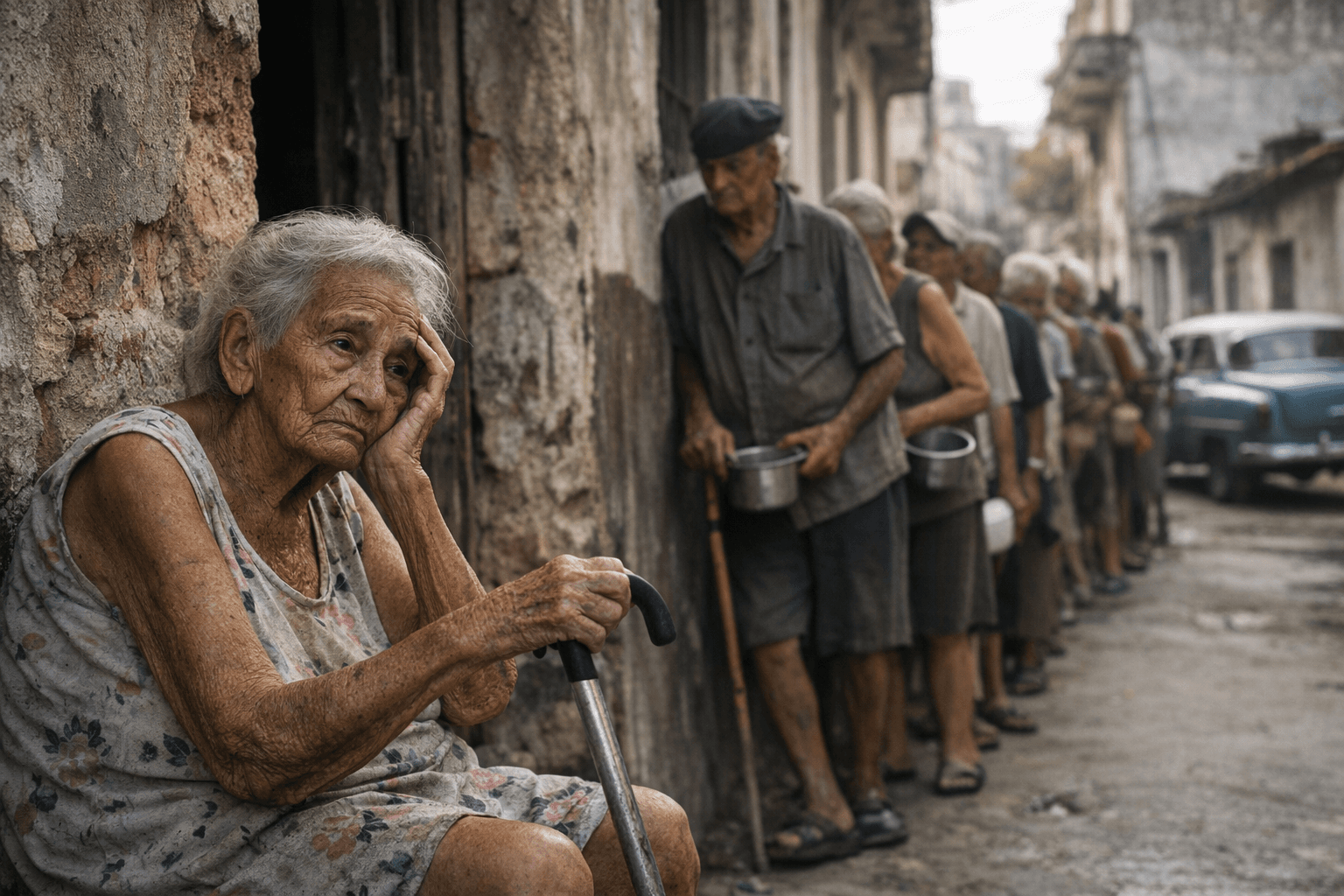
Cuba’s crisis is landing hardest on those least able to outrun it: older people with fixed pensions, shrinking family networks and rising daily needs. In Old Havana, elderly residents gathered at the Church of the Holy Spirit for a modest meal of ground meat, rice, red beans, crackers with mayonnaise and strong Cuban coffee, a scene that has become a survival routine as state support thins and neighborhood charity fills the gap.
One of the people pictured is Mercedes Lopez Rey, 83, standing in her one-room apartment as the island’s shortages deepen around her. Other older Cubans in the visual report waited for free meals, moved past uncollected trash or tried to keep up with tai chi, small efforts to preserve dignity in a city where basic services are fraying. The message is not only about empty shelves or power cuts. It is about isolation, limited mobility and the hard math of aging on an island where pensions have been overtaken by inflation, food prices and transport costs.
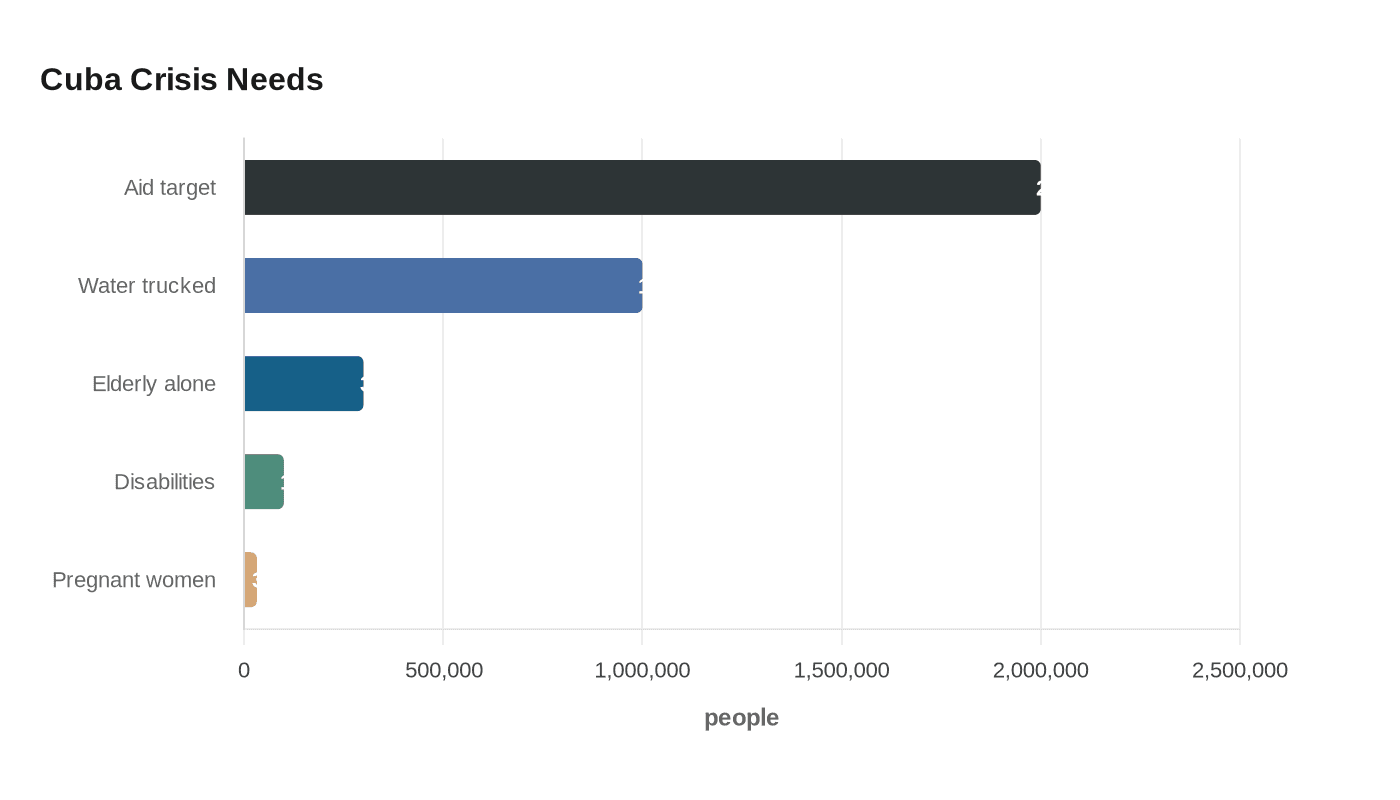
The strain has worsened since the start of the year, after the United States moved at the end of January to block oil supplies from entering Cuba, aggravating fuel shortages that have hit everything from public transport to food distribution. On April 6, the United Nations said Cuba faced a worsening humanitarian crisis tied to an energy blockade and Hurricane Melissa’s devastation, and said its updated plan aimed to help about two million people across eight provinces. Nearly 300,000 elderly Cubans living alone are among the priority groups, alongside more than 100,000 people with disabilities and 32,000 pregnant women.
The demographic pressure is brutal. Cuba’s population fell to about 9.7 million at the end of 2024, down roughly 1.4 million from 2020, according to reporting based on the Office of the National Statistics and Information, or ONEI. The country recorded 71,358 births in 2024, the lowest in 65 years, and more than a quarter of the population is now over 60. That makes Cuba one of Latin America’s fastest-aging societies even as the largest emigration wave in its history has carried away younger workers and family caregivers.
The result is visible in the streets and in the clinics. The United Nations said Cuba had more than 96,000 pending surgeries, including 11,000 for children, while about one million people depend on water trucking that has been constrained by diesel shortages. Catholic aid groups said in February that fuel shortages were making food and hygiene deliveries harder and that garbage pickup in Havana had become almost nonexistent, adding public-health risks to the daily grind.
In July 2025, Prime Minister Manuel Marrero Cruz announced a pension increase scheduled for September that was meant to benefit about 1,324,599 people, or 79% of pensioners, and raise some minimum pensions from 1,528 pesos to 3,056 pesos. For many older Cubans, though, the increase was only partial relief. As churches and charities take on a larger share of feeding the elderly, Cuba’s crisis is increasingly becoming a test of whether the island’s thinning social safety net can still hold.
This article was produced by Prism’s automated news system from verified source data, official records, and press releases, then run through automated quality and moderation checks before publishing. The system is built and supervised by the people who set the standards it runs under. Read our full AI policy.
Did this article answer your question?