Customer sues Trader Joe's in San Diego, alleging security guard assault
A shopper surnamed Ware filed a personal-injury/premises liability complaint March 5, 2026 in San Diego County Superior Court, alleging Trader Joe’s security guards committed “wrongful seizure” and “physical harm.”
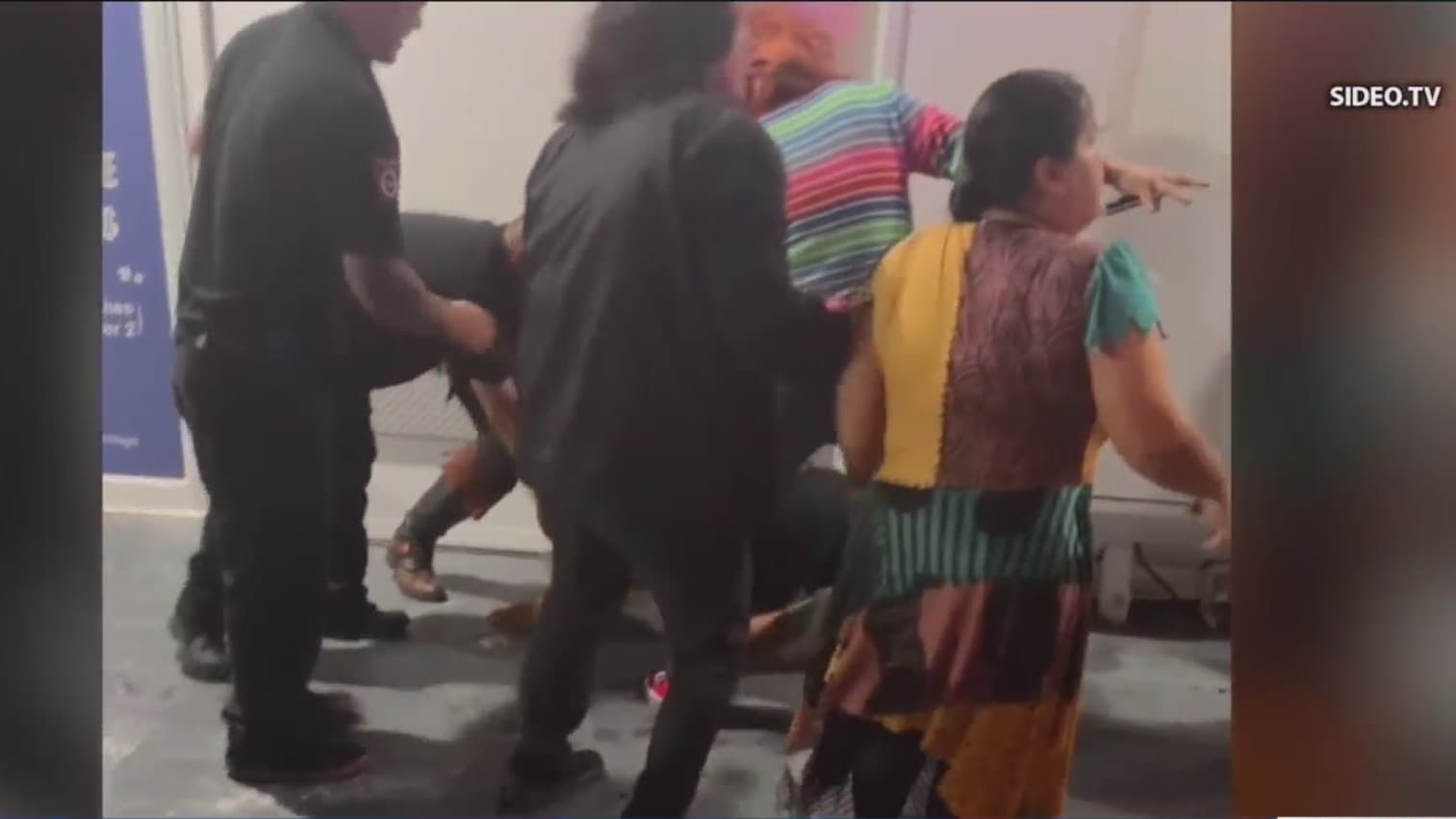
A lawsuit captioned Ware v. Trader Joe’s Company was filed March 5, 2026 in San Diego County Superior Court alleging that security guards at a Trader Joe’s store assaulted a customer, asserting “wrongful seizure” and “physical harm,” the Law.com Radar docket summary reports. The filing is styled as a personal-injury/premises liability complaint but the docket summary available to reporters provides only the surname Ware and the category of the claim.
The Law.com summary does not identify a first name for the plaintiff, the Trader Joe’s store address or city within San Diego County, the date or time of the alleged incident, the names or employers of the guards, or whether police were involved. The complaint excerpt available in the docket summary likewise does not list damages sought or a jury demand in that filing, leaving basic factual and procedural particulars unresolved.
The Trader Joe’s docket filing arrives against a broader legal backdrop of litigation over private security use of force in southern California. Bloomberg Law reporter Maeve Allsup summarized an appeals-court decision finding that Securitas Security Services USA Inc. “failed to convince a California appeals court that an on‑duty guard wasn’t acting within the scope of his relationship with the agency when he assaulted a member of the public, and must face remanded claims of negligent hiring in San Diego Superior Court.” That appeals-court remand reopens negligent-hiring claims after a lower court had granted summary judgment for the security company on respondeat superior grounds.
Separate but related litigation in the San Diego region involves police conduct and sheds out additional documentary practices in force claims. A federal complaint filed by Chu Ding, age 53 of San Diego, alleges that Officer Jonathan Ferraro and multiple San Diego police officers beat Ding in a Costco parking lot on July 2, 2024, knocking him unconscious and leaving him with a concussion and a dislocated shoulder. The Ding complaint, reported by Julia Marnin, includes three photos of injuries, two showing bruising and marks on the right shoulder and arm, and alleges that six officers handcuffed Ding after he was slammed to the ground and that officers “denied (him) food, water and medical care” for five hours. The complaint also states the San Diego District Attorney’s Office declined to prosecute Ding more than a week after his arrest, and Ding seeks unspecified compensatory, special and punitive damages and demands a jury trial. Plaintiff counsel Yoo told reporters that, “the worst thing in the case was that Ferraro conspired with at least four other officers to falsify an arrest report and deny a seriously injured man water and medical care to try to extort an apology to justify his own misconduct.”
Regulatory history in California underscores how employer practices around security staff can shape liability. Attorney General Edmund G. Brown Jr. sued Contractors Asset Protection Association, Inc., and its founder-president Eugene Magre in a 2009 action that alleged the company fraudulently reclassified guards to avoid workers’ compensation premiums. Brown said, “This company falsely promised its clients that if they gave their employees empty titles and worthless shares of stock they could avoid tens of thousands of dollars in workers compensation premiums,” and added, “But you can’t simply call a security guard a vice president and avoid complying with the law through a sophisticated and fraudulent scheme.” That enforcement action resulted in a final agreement entered March 12, 2009 in San Diego Superior Court and sought restitution and civil penalties of no less than $300,000.
The sparse public docket entry for Ware v. Trader Joe’s Company makes it unclear whether the San Diego complaint will allege negligent hiring, respondeat superior, or other theories that have surfaced in the Securitas and Ding litigation. The March 5, 2026 filing places Trader Joe’s on a San Diego County Superior Court docket and raises the same fault lines legal teams and managers will watch: who employed the guards, what training and supervision were provided, and what documentary evidence the complaint attaches. Court filings and any corporate response will determine whether this matter follows the negligent-hiring trajectory seen in the Securitas remand or unfolds as a premises-liability dispute focused on events at an individual store.
Know something we missed? Have a correction or additional information?
Submit a Tip