Cyclone Koji cuts power to 15,000 as flood risk rises in Queensland
Tropical Cyclone Koji struck between Ayr and Bowen, leaving thousands without power and heavy rain that threatens flash flooding along the coast.
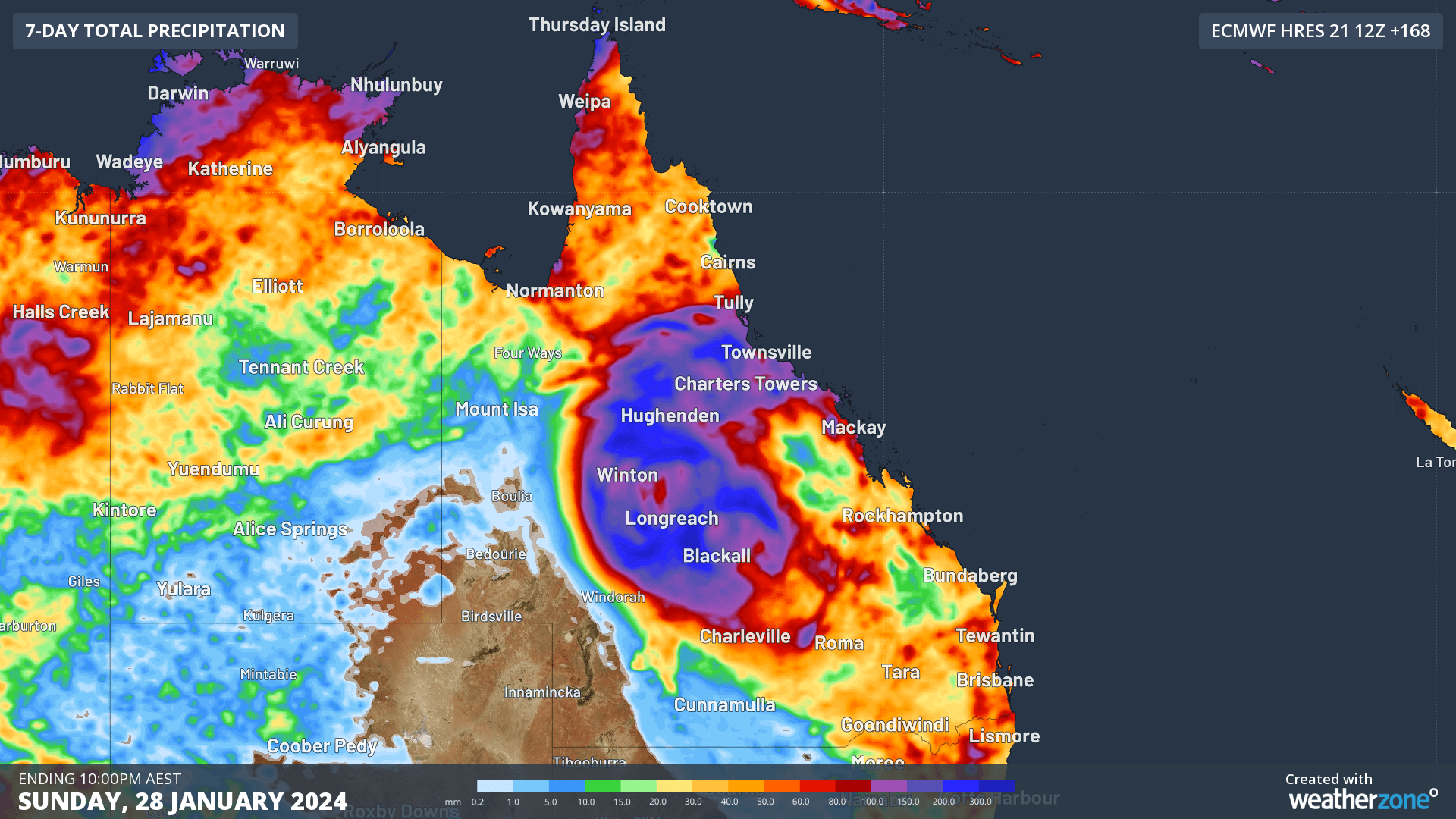
Tropical Cyclone Koji made landfall between Ayr and Bowen on Queensland’s northeastern coast and weakened to a tropical low after crossing the shoreline, leaving roughly 15,000 properties without electricity and bringing damaging winds and heavy rain to a wide coastal swath.
Premier David Crisafulli said around 15,000 properties had lost power as emergency crews scrambled to assess damage and clear blocked roads. Officials reported damage to homes and boats and ordered road closures in affected communities from the Ayr–Bowen corridor to Mackay, a regional tourist hub and gateway to the Great Barrier Reef. Wind gusts reached about 95 kph (59 mph) and some sites recorded overnight rainfall totals as high as 200 mm (7.8 inches).
Federal and state leaders warned the immediate threat had not passed. Prime Minister Anthony Albanese described flash flooding as a "major risk" across a large stretch of Queensland’s coast, while the Premier cautioned that communities should prepare for inundation. "There's the prospect of flooding, Queenslanders will handle that," Crisafulli said in televised remarks from Brisbane.
The nation’s weather forecaster warned heavy downpours were likely to continue over the next 24 to 48 hours, raising the prospect of flash floods and river rises in low-lying areas. With Koji now a tropical low inland, rainfall and severe runoff remain the principal danger for towns and infrastructure in the storm’s path.
The outages and physical disruption have immediate economic consequences for a region reliant on tourism, agriculture and coastal services. Mackay’s economy, which depends on visitor flows to reef access and local hospitality, faces cancellations and short-term revenue losses while ports and road links are closed. Businesses without backup power are vulnerable to spoilage and lost trade, and boat damage in coastal marinas could ripple through local repair and insurance markets.
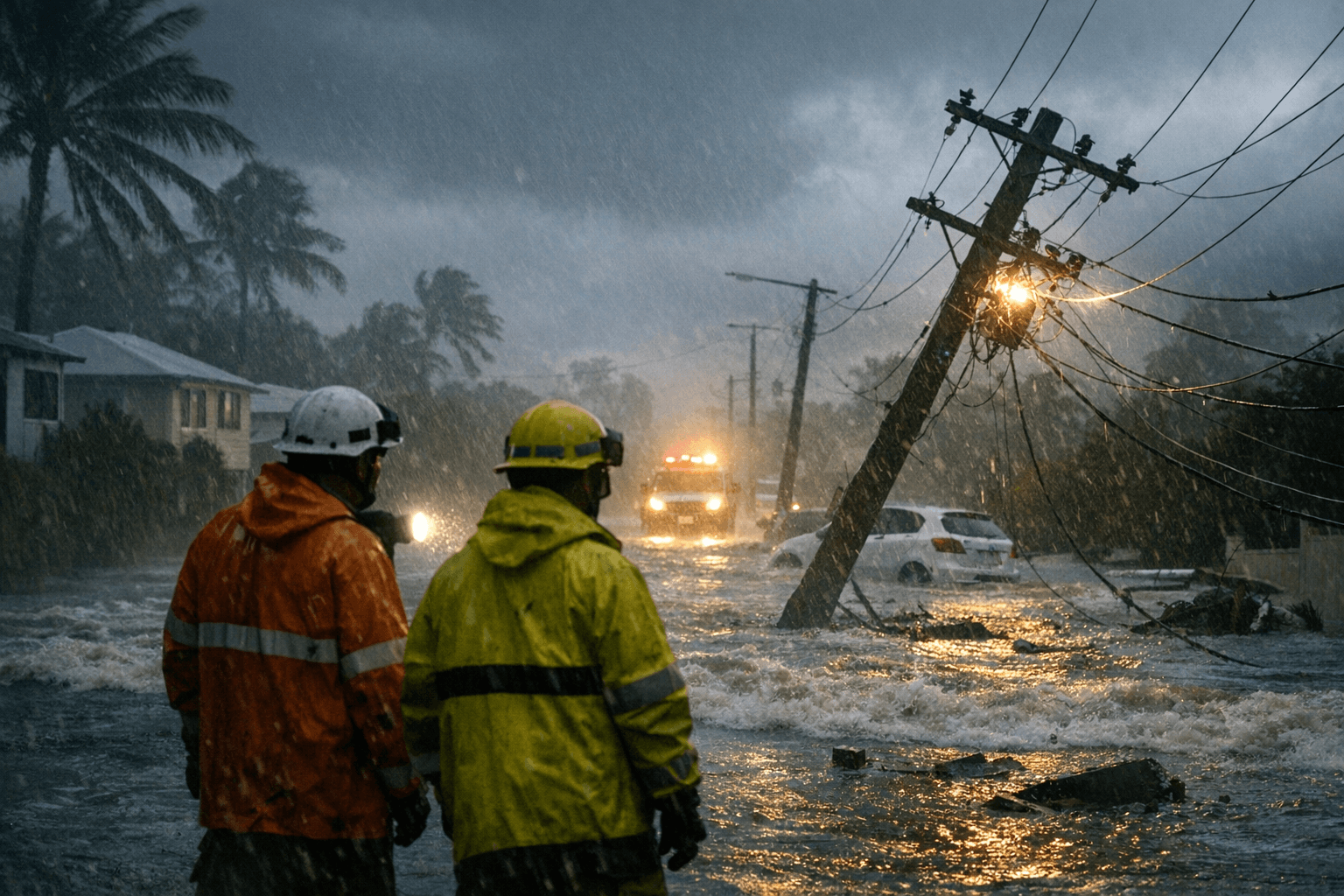
Koji arrives months after a downgraded cyclone named Alfred struck Queensland in March and left a far larger footprint of outages, underlining a pattern of repeated storm impacts this season. That recurrence places strain on utilities, insurers and local budgets, and renews scrutiny of infrastructure resilience. Repair bills and insurance claims from Koji are not yet quantified, but repeated events in a single year typically boost costs for electricity networks and raise premiums for property insurers over time.
Policy questions are likely to re-emerge about grid hardening, flood mitigation and emergency preparedness funding. For local governments and the state, the priority in the hours ahead is life safety and restoring essential services; economic recovery will depend on the speed of that restoration and the severity of flood damage to roads, homes and commercial premises.
Officials urged residents in affected areas to follow local emergency advice, avoid flooded roads and prepare for ongoing heavy rain. Authorities will release more detailed assessments as crews complete damage surveys and electricity providers publish restoration timelines.
This article was produced by Prism’s automated news system from verified source data, official records, and press releases, then run through automated quality and moderation checks before publishing. The system is built and supervised by the people who set the standards it runs under. Read our full AI policy.
Did this article answer your question?


