Cyclospora outbreak grows in Ohio, officials report more cases
Hamilton County’s total rose to 16 cases as Ohio’s outbreak topped 364, while federal investigators still had not found the source.

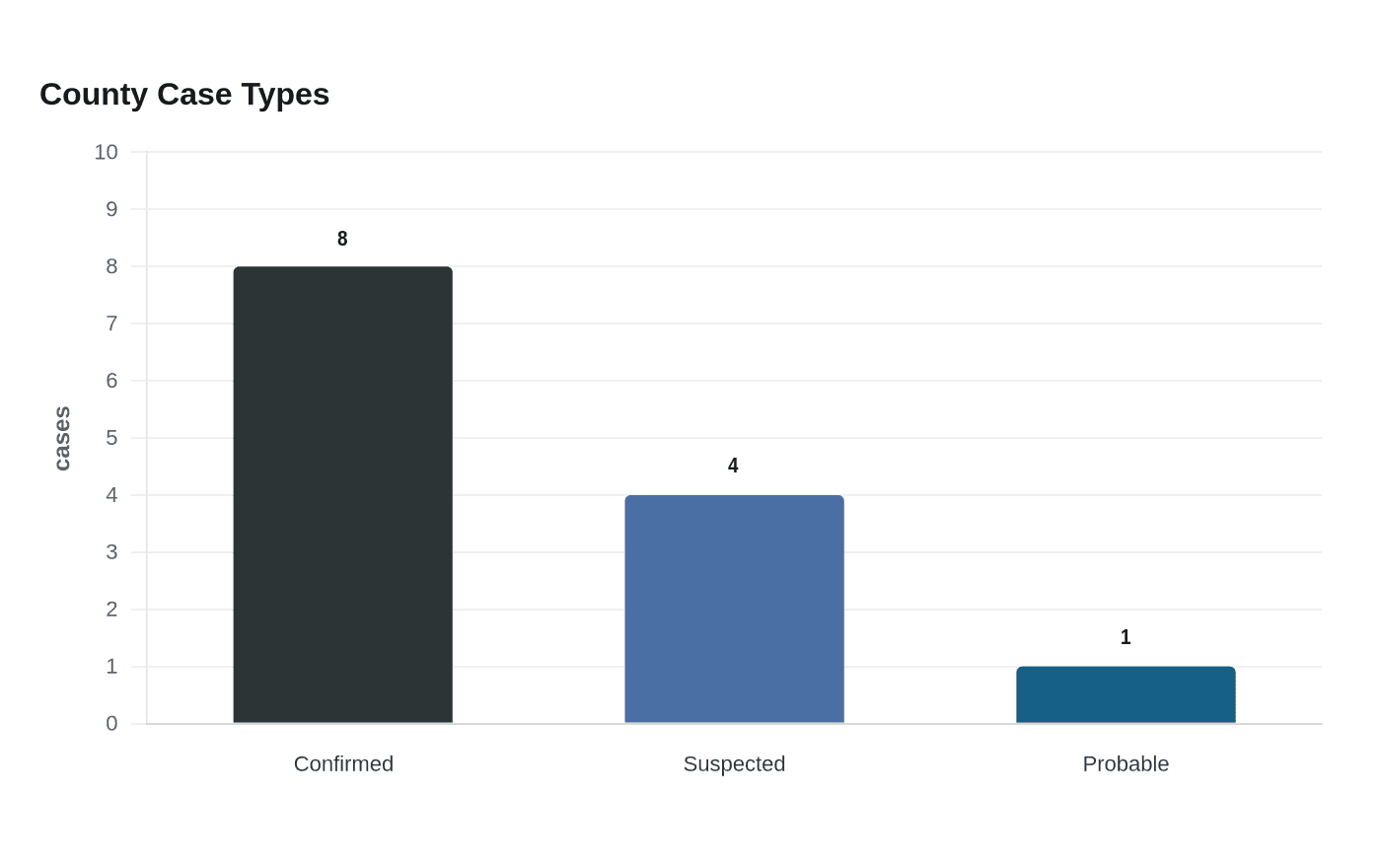
Hamilton County health officials said the local cyclosporiasis count rose to 16 cases as of noon Monday, up from 13 cases reported late last week. The earlier county update broke that total into eight confirmed cases, four suspected cases and one probable case, underscoring how quickly the outbreak has expanded while investigators still do not know what is driving it.
The county cases are part of a much larger surge across Ohio. The Ohio Department of Health had reported 177 cyclosporiasis cases in the state as of July 2, with 171 of them appearing in June and most starting after June 20. By July 10, Ohio’s total had more than doubled to 364 cases, and 46 patients had been hospitalized.
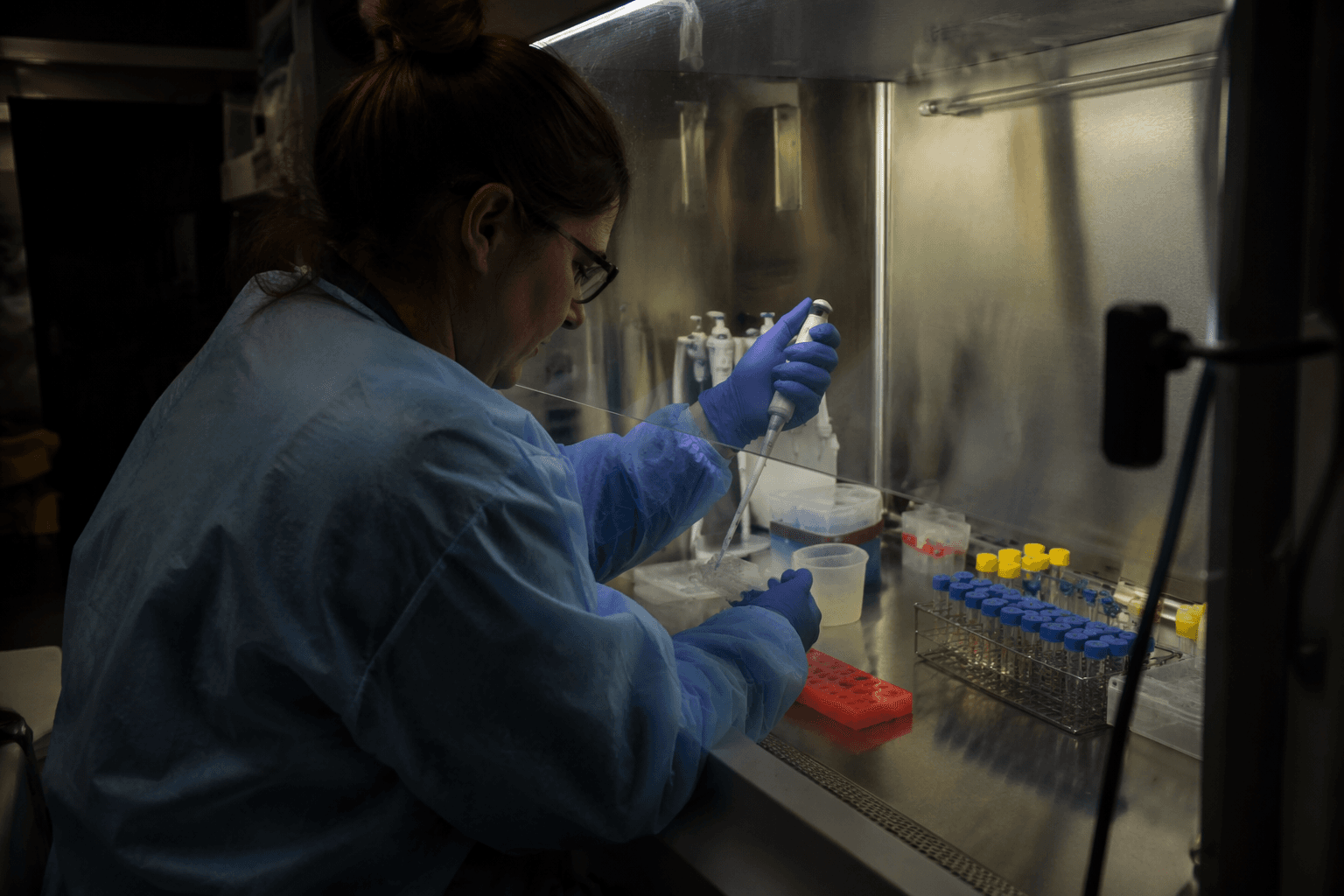
Federal investigators said the multistate outbreak had spread beyond Ohio. The Centers for Disease Control and Prevention said that as of July 13, more than 400 people infected with Cyclospora had been reported from Michigan, Ohio, West Virginia and Kentucky. The CDC said the first reported symptom-onset dates in the outbreak were on or after June 22, 2026, and that the true number of sick people is likely higher than the reported total.
Health officials have not identified the outbreak source. The CDC said cyclosporiasis is an intestinal illness caused by the microscopic parasite Cyclospora cayetanensis and is commonly spread through contaminated food or water. The agency and state and federal regulatory officials monitor cyclosporiasis year-round in the United States to detect outbreaks linked to a common food source.
For now, investigators are still trying to trace where exposed people may have eaten the parasite, while public-health agencies urge caution with produce. Officials have advised washing fruits and vegetables carefully and, as an extra precaution, choosing produce with peels or cooking fresh produce. The warning reflects the central uncertainty in the outbreak: cases are rising, but the contaminated item has not yet been pinned down.
This article was produced by Prism’s automated news system from verified source data, official records, and press releases, then run through automated quality and moderation checks before publishing. The system is built and supervised by the people who set the standards it runs under. Read our full AI policy.
Did this article answer your question?