Czech government refuses to transfer L-159 jets to Ukraine, exposing rift
Czech government blocks sale of L-159 jets to Ukraine, deepening a public split between president and prime minister.
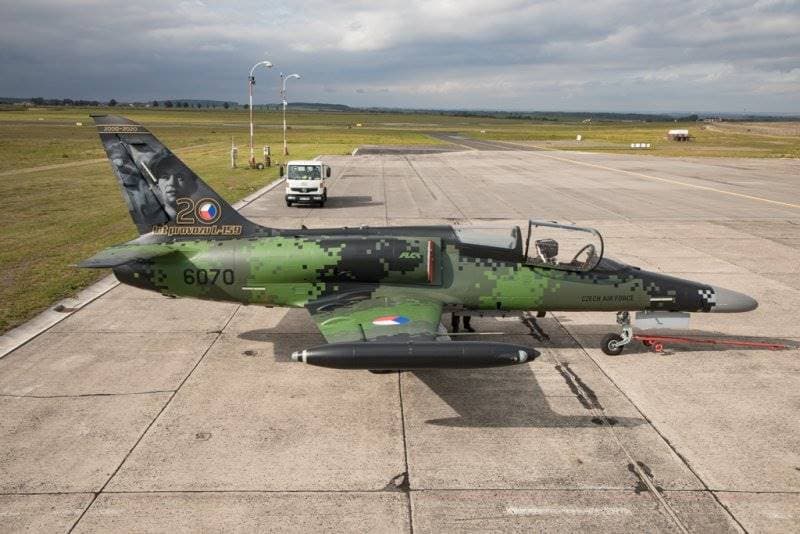
The Czech government said it will not sell or donate its fleet of L-159 light combat aircraft to Ukraine, a decision that crystallized a public split between President Petr Pavel and Prime Minister Andrej Babiš. The announcement followed a cabinet meeting in Prague on Jan. 19, when the prime minister reiterated that the planes “are not available” and that “we do not have any other ones.”
The row began after President Pavel, during a mid-January visit to Kyiv, suggested Ukraine had offered to buy Czech L-159s and argued Prague could provide “several medium combat planes” to help counter incoming drones. Pavel framed a transfer of a small number - he suggested "four out of the Czech military’s 24 L-159s" - as an acceptable level of risk and as an opportunity for the Czech aerospace firm Aero Vodochody to secure export business.
Prime Minister Babiš and coalition leaders moved quickly to rebuff that suggestion. Defence Minister Jaromír Zuna told the cabinet the L-159 fleet still has about 15 years of service life and that the aircraft remain required by the Czech armed forces. Members of the ruling coalition, including the far-right Freedom and Direct Democracy party, voiced opposition to any transfer. SPD leader Tomio Okamura argued that while the jets have low residual market value, they retain high combat value for the Czech military and that replacing them would be far more costly than any sale.
Czech forces operate 24 L-159 aircraft, including eight two-seat trainers. The subsonic attack and training platform can carry short-range infrared air-to-air missiles, gun pods and other stores, and analysts have described it as potentially useful against slow, low-flying drones. The military also operates 14 leased Saab JAS 39 Gripens and has 24 F-35s on order, with deliveries scheduled after 2030, creating a longer-term modernisation path that the government says underpins its reluctance to reduce current capacity.
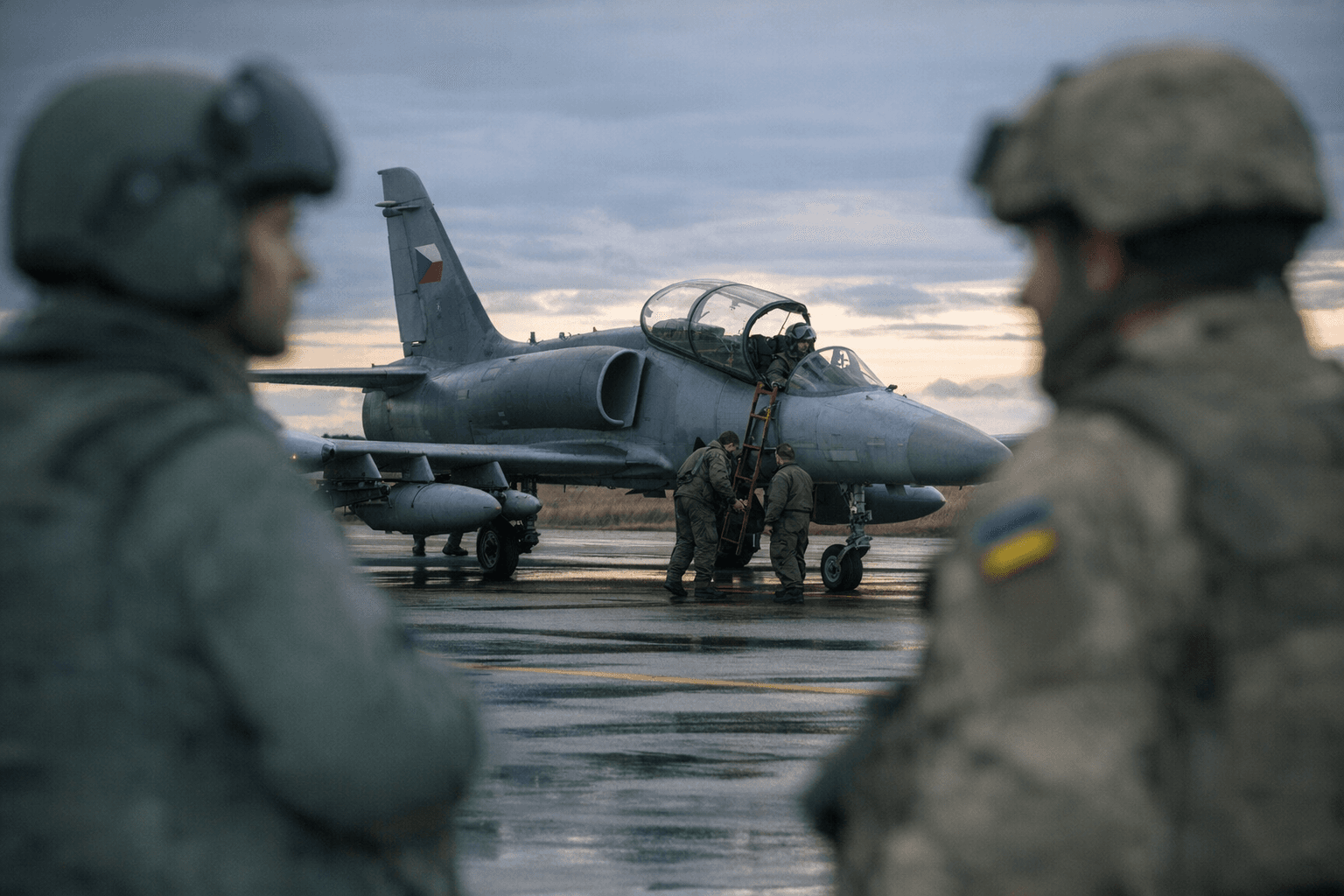
The decision reflects a broader shift in Prague’s posture toward military support for Kyiv following the October 2025 elections that brought Babiš’s coalition to power. Since taking office in December 2025, the prime minister has signalled restraint on arms transfers and declined to participate in the financial component of a European Union loan to Ukraine. Officials noted that the previous, more pro-Ukrainian government also decided against sending L-159s, a point Babiš repeated on Jan. 19.
Pavel cast a sale as both a security contribution to Ukraine’s defences and a commercial win for the domestic defence industry, while other Czech envoys who visited Kyiv in early January emphasised continued partnership on ammunition and coordination initiatives. Government leaders sought to stress that refusing the jet transfer does not amount to a complete severing of defence cooperation.
The immediate practical effect is clear: Ukraine will not receive Czech L-159s now. The dispute exposes institutional tensions between the largely ceremonial presidency and an assertive new government and raises questions about how Prague will balance defence commitments, industrial policy and alliance expectations as it upgrades its air force in the decade ahead.
This article was produced by Prism’s automated news system from verified source data, official records, and press releases, then run through automated quality and moderation checks before publishing. The system is built and supervised by the people who set the standards it runs under. Read our full AI policy.
Did this article answer your question?


