Dating apps roll out face checks to fight AI catfishing
AI catfishing pushed Tinder and rivals toward face checks, but the new safeguards may also turn basic safety into a paid premium.
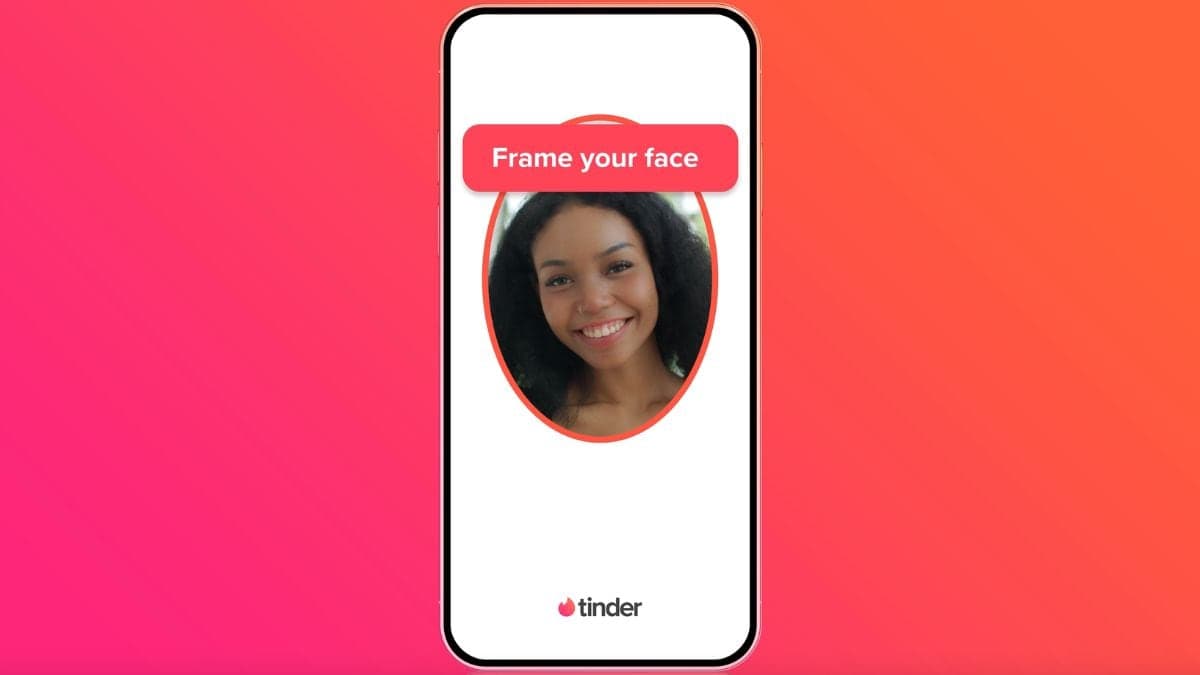
Dating apps are racing to prove that the people behind their profiles are real, as AI-generated photos and synthetic identities make scams cheaper, faster and harder to spot. The result is a new verification arms race, with face scans, video selfies and government-ID onboarding becoming central to the next phase of online dating’s trust crisis.
Match Group said on Oct. 22, 2025 that Tinder’s Face Check facial verification would roll out across the United States. The tool was already required for new users in seven countries and California when the company announced the expansion, and Match said Face Check was meant to confirm that users are real and that their profile photos match. The company framed it as part of a broader trust-and-safety effort aimed at reducing impersonation across its platforms.

The push comes as lawmakers have pressed for tougher safeguards. In September 2025, Sens. Maggie Hassan and Marsha Blackburn urged Match Group to spell out what it was doing to detect and prevent romance scams on Tinder, Hinge and OkCupid. Their scrutiny underscored a widening gap between the speed of AI-driven deception and the slower pace of platform defenses.
The scale of the problem is no longer abstract. The Federal Bureau of Investigation said it received 17,910 romance-scam complaints in 2024, with reported losses totaling $672,009,052 nationwide. The Federal Trade Commission said in March 2025 that consumers reported $12.5 billion in fraud losses in 2024 overall, and the agency has warned that romance scams remain a recurring threat on dating apps and social media. Those figures have given urgency to a business model that increasingly sells proof of humanity as a feature.
That shift carries a trade-off. Privacy advocates warn that facial verification and biometric checks create new risks by collecting sensitive personal data, even as operators argue that more verification is necessary to deter bots, impersonation and fraud. In effect, the industry is splitting between convenience and certainty, with the most basic safety controls starting to look like a premium product that mainstream apps should have delivered from the start.
Know something we missed? Have a correction or additional information?
Submit a Tip