SpaceX scrubs first Starship V3 launch, targets May 22 retry
SpaceX’s first Starship V3 launch was scrubbed after final countdown holds, delaying the debut of a rocket meant to carry both Moon and Mars ambitions.

SpaceX scrubbed the debut flight of its third-generation Starship after multiple holds in the final countdown, pushing the first test of the V3 system to a May 22 retry. The launch had been targeted for a 90-minute window opening at 5:30 p.m. CT from Starbase, Texas, and the company had planned a webcast about 45 minutes before liftoff.
The failed start matters because Flight 12 was not just another test. It was the first launch of Starship V3, the next version of SpaceX’s giant booster-and-ship stack, and the company has cast it as a leap built from years of flight testing. SpaceX said Starship V3 and Super Heavy V3 include the next evolution of the Raptor engine and would launch from an entirely new pad at Starbase. The company also said Starship remains designed to carry more than 100 metric tonnes to orbit in a fully reusable configuration.
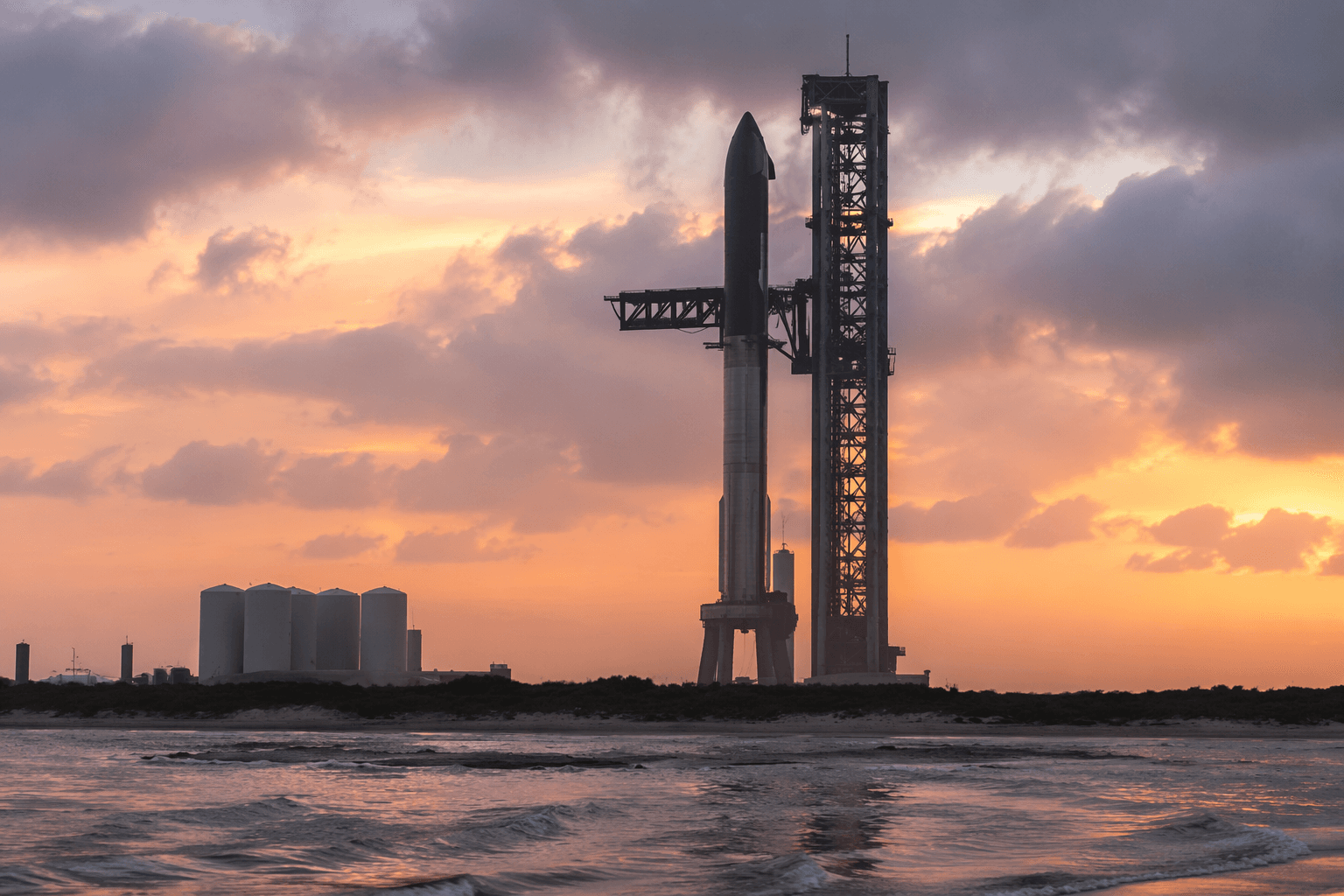
What changed in V3 is central to why this attempt drew so much attention. SpaceX described the vehicle as the third generation of Starship and Super Heavy, powered by Raptor 3 and paired with a newly designed launch pad. The upgrade package goes beyond hardware polishing: it is meant to support faster Starlink deployment and the mission profile NASA has tied to lunar landings. That makes the scrub more than a routine pause. It is a check on whether SpaceX’s rapid-iteration model can hold up as the rocket moves closer to commercial relevance and government dependence.
The stakes extend well past South Texas. Starship HLS is NASA’s chosen mode of transportation for Artemis III, with further development planned for Artemis IV. NASA’s Office of Inspector General has said the agency has obligated nearly $7 billion for Human Landing System development and expects to spend more than $18 billion through fiscal year 2030. Those numbers turn every Starship milestone into a federal program test, not just a private launch company milestone.
Starship Flight 12 also followed a meaningful technical benchmark from the eleventh test flight. SpaceX said the earlier mission completed a full-duration ascent burn, deployed eight Starlink simulators and performed an in-space Raptor relight, while the booster executed a landing-burn profile and splashed down. That progress is why the V3 debut carried so much weight: SpaceX has spent more than $15 billion developing Starship, and the rocket’s performance now feeds both NASA’s lunar timetable and Elon Musk’s broader commercial case to investors. The scrub showed how thin the margin remains between speed, safety and reliability as the program enters its next, more scrutinized phase.
Know something we missed? Have a correction or additional information?
Submit a Tip