David Yarrow explains Norway's viral Viking World Cup send-off photo
Norway did not just pose for a send-off photo. It staged a cinematic national myth, using Viking imagery to turn a World Cup moment into a global identity statement.
A team photo built like a campaign
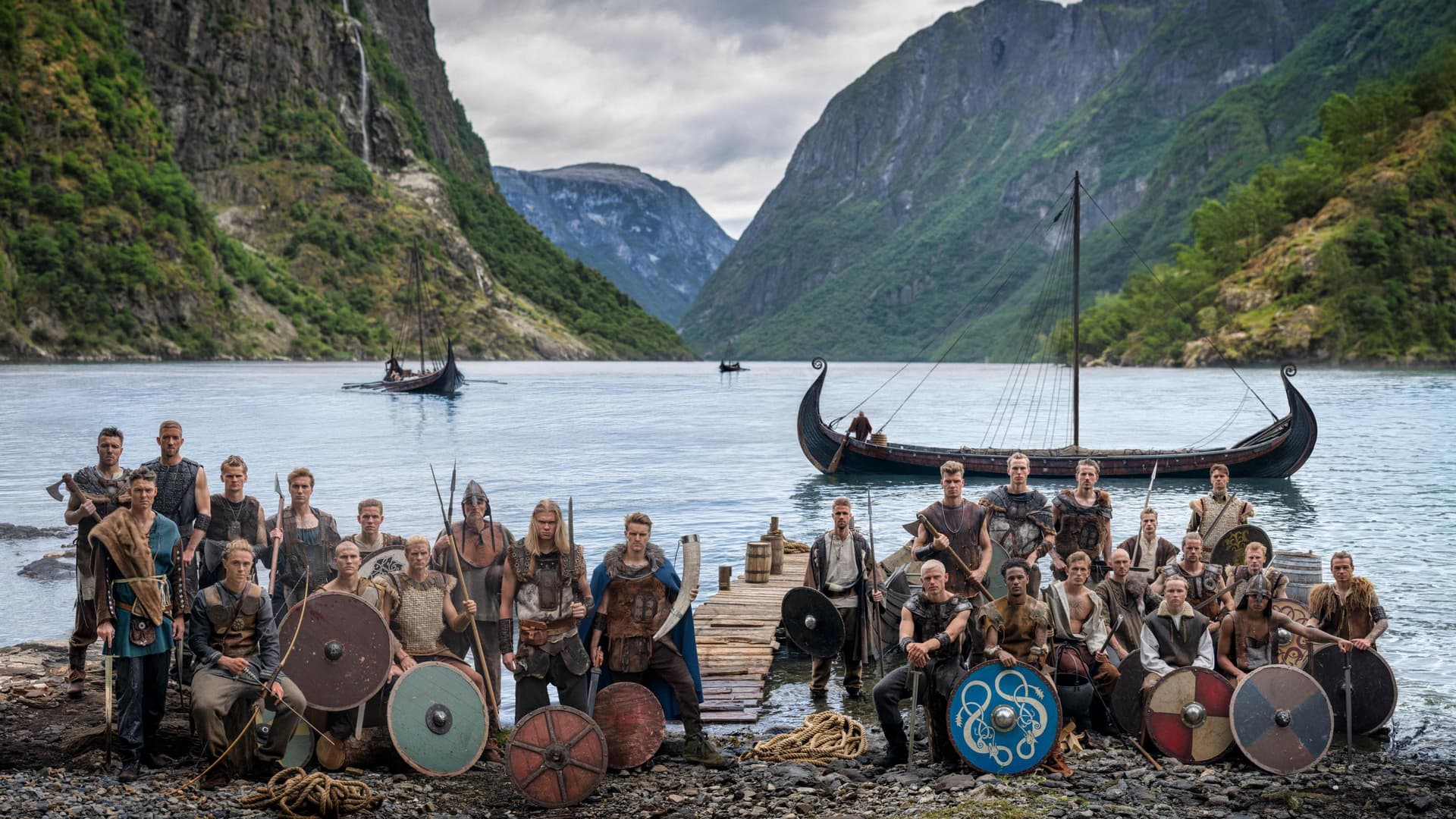
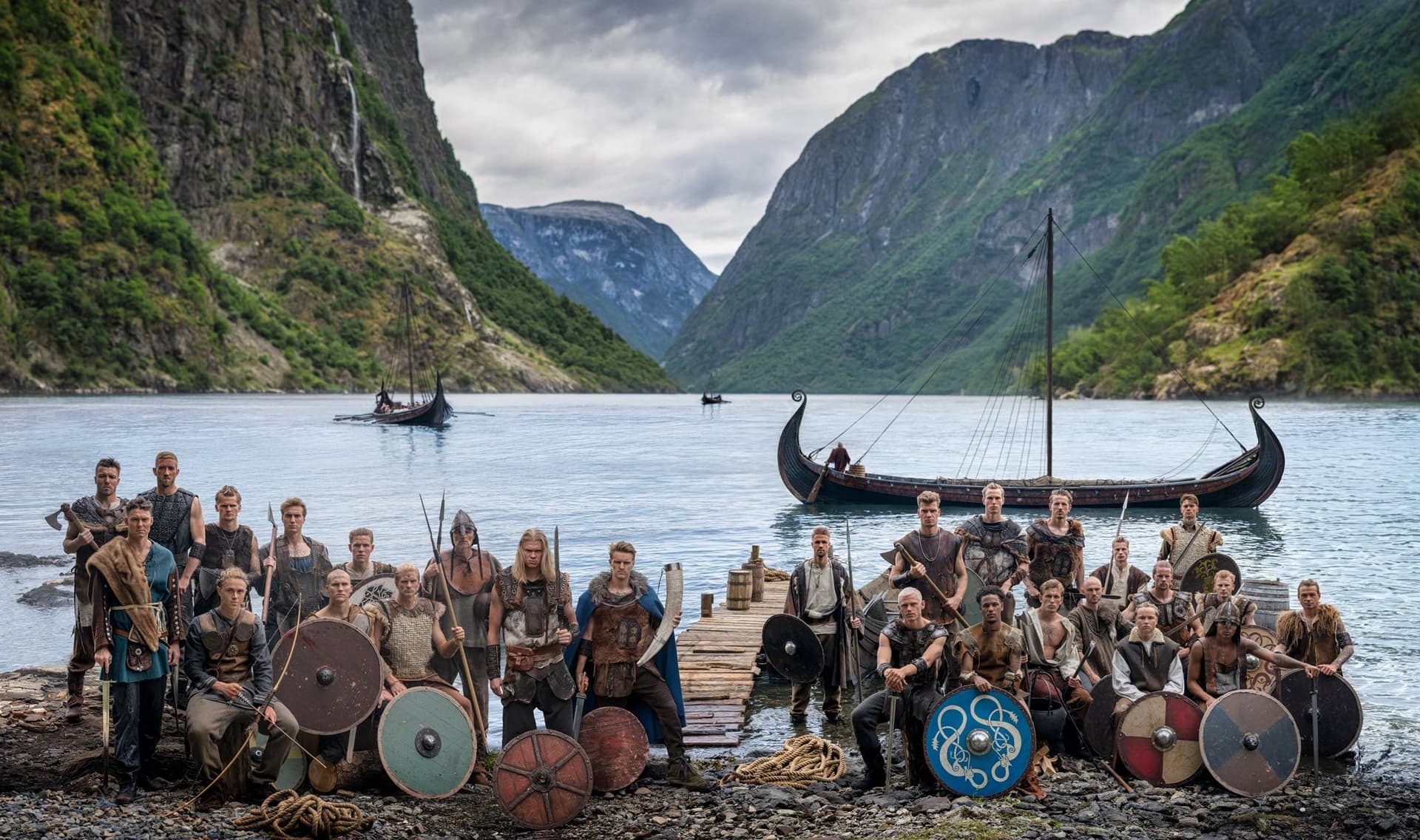
Norway’s viral World Cup send-off image was never meant to look routine. Shot for the Norwegian Football Federation on a private beach near Oslo, the picture turns a standard squad portrait into a cinematic statement of arrival, with the players dressed as Vikings and longships lined up behind them. In an era when national teams sell themselves through imagery as much as results, the photo works as branding, mythology and message all at once.
David Yarrow, the British photographer behind the image, said he wanted to move beyond familiar team-photo poses and make the squad feel in motion, “as if they’re setting sail for America.” That sense of voyage matters. Norway is not simply showing up for a tournament; it is presenting itself as a team with a story, a destination and a symbolic past to draw from before the first match is even played.
How the image was constructed
The shoot brought together all 26 players except captain Martin Ødegaard, who was unavailable because he was playing in the Champions League final. A space was left for him in the composition, and he was digitally inserted later. That detail captures how modern sports imagery is made now: the final picture is not just captured, it is assembled, with logistics, optics and editing all working together to produce a polished national statement.
Some of the background elements were also composited from Viking Valley in Gudvangen, adding another layer of visual authenticity to the scene. The result is less a literal team photograph than a constructed narrative, one that merges location, costume and post-production into a single image designed for maximum reach. In that sense, the photo belongs to the same media ecosystem as elite football itself: fast, visual, global and built to travel well on social platforms.
Why Norway leaned into the Viking story
The Norwegian Football Federation did not stumble into the Viking theme. NFF president Lise Klaveness said the federation expected the Viking narrative to follow the team anyway, so it chose to “take ownership of it” and use the image to express togetherness, team spirit and standing united. That is a revealing institutional choice. Rather than letting an outside cliché define the team, the federation turned the cliché into an asset and reframed it as collective identity.
That decision reflects a broader reality in international sport. National teams are increasingly packaged before they compete, with federations using imagery to project character, confidence and cohesion. For Norway, the Viking motif offers a ready-made language of strength and expedition, but the key is not costume alone. The message is that this squad is not just entering a tournament, it is embarking on a shared national journey.
A World Cup return with historical weight
The image also lands at a meaningful moment for Norwegian football. Norway returned to the World Cup for the first time in 28 years and only the fourth time in its history. FIFA lists the country’s previous appearances as 1938, 1994 and 1998, with its best result coming in 1998 when it reached the round of 16.
That long absence gives the photo extra force. A send-off image for a team that has waited nearly three decades to return to the sport’s biggest stage is doing more than celebrating a squad. It is helping define how a country sees itself in the tournament frame. The picture says that Norway is not arriving quietly; it is arriving with a myth, a visual identity and a story strong enough to circulate far beyond the dressing room.
Qualification itself added to that momentum. Norway sealed its place for the 2026 tournament with a 4-1 win over Italy in November 2025, and FIFA notes that Erling Haaland scored 16 goals in qualifying. The team’s on-field achievement gave the image its competitive credibility, while the visual concept gave the moment a larger cultural shape.
Yarrow’s own history with football mythology
Yarrow’s involvement makes the project even more notable. His career began with a famous 1986 World Cup photograph of Diego Maradona lifting the trophy in Mexico City, a picture he has said was taken on film and remains an historic moment. That lineage matters because it shows how closely his work has long been tied to the sport’s most iconic imagery, not just its action on the pitch.
He has also used sports portraiture to build theatrical scenes beyond football. He previously photographed the European Ryder Cup team dressed as mobsters in front of the Brooklyn Bridge, and that image raised money for charity. Across those projects, Yarrow has shown the same instinct: take public figures out of their expected setting, give them a larger-than-life visual frame and let the image carry the story.
What the Norway photo reveals about modern sport
The Norway picture works because it understands that elite sport now competes in two arenas at once. One is obvious: the field, the results, the qualifying campaign, the World Cup itself. The other is visual and symbolic, where identity is negotiated through viral photographs, cinematic staging and instantly legible narratives.
Norway’s Viking send-off fits that second arena precisely. It gives the federation a controllable image, gives the players a mythic frame and gives fans a scene that is easy to remember and share. More important, it shows how national teams increasingly use branding before kickoff to define the meaning of their tournament journey. For Norway, the Viking narrative is not a gimmick. It is a declaration of presence, built to announce a return that the country has waited 28 years to make.
This article was produced by Prism’s automated news system from verified source data, official records, and press releases, then run through automated quality and moderation checks before publishing. The system is built and supervised by the people who set the standards it runs under. Read our full AI policy.
Did this article answer your question?