Deadly Atlantic crossing to Canary Islands exposes Europe’s migration crisis
Europe’s crackdown has not stopped the Atlantic crossing. Migrants still set out for the Canary Islands, and some drift for weeks, running out of food and water.
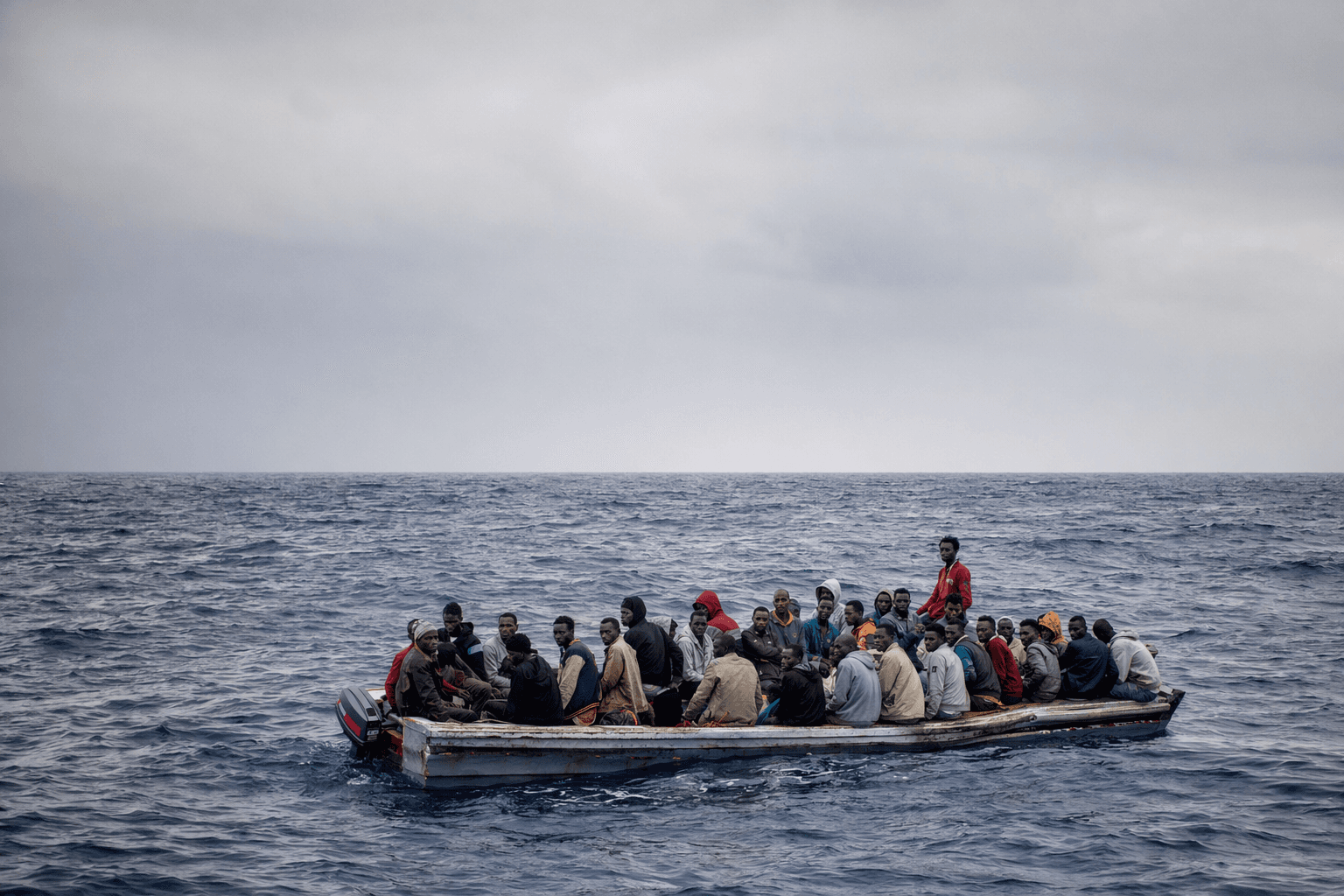
Europe’s effort to deter irregular migration has not ended the journey to the Canary Islands. It has helped turn the Atlantic crossing from West Africa into a longer, deadlier gamble, where a few days at sea can become weeks of drifting, hunger and thirst.
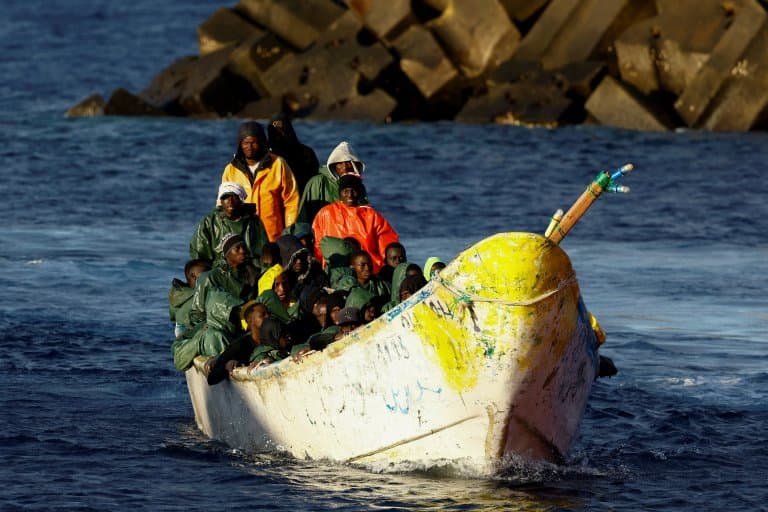
The route centers on El Hierro, where migrants arrive in traditional cayucos after leaving Mauritania or, farther south, Senegal. The passage can take five to ten days when conditions are favorable. When engines fail or boats lose course, people can be stranded far offshore for weeks, and some never make landfall. Funerals for migrants who die on the crossing have become a recurring part of life in the islands, a sign that the route is not a one-off border problem but a sustained humanitarian emergency.
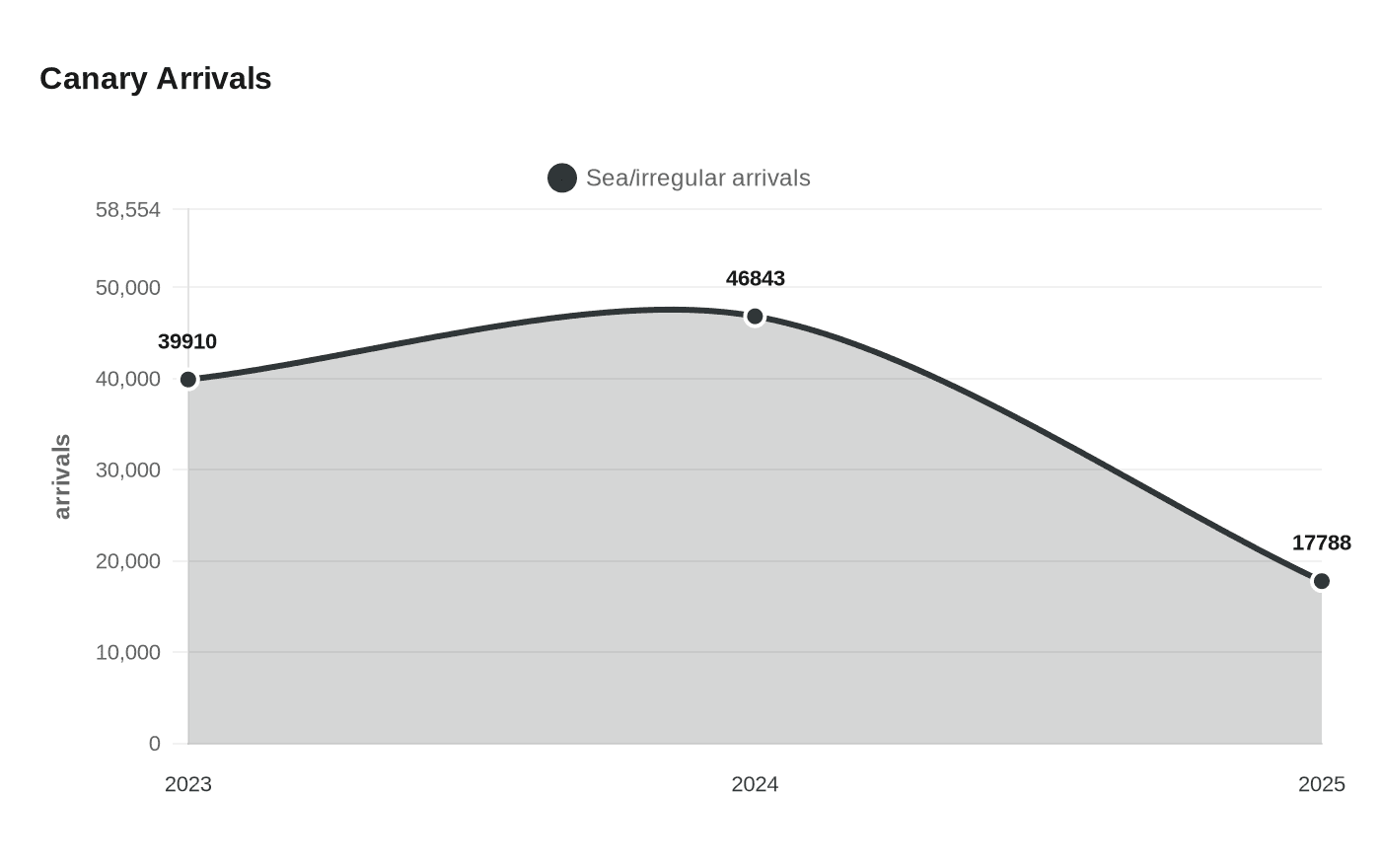
The numbers show both pressure and loss. Spain’s Interior Ministry recorded 46,843 sea arrivals to the Canary Islands in 2024, up from 39,910 in 2023. The International Organization for Migration recorded 17,788 irregular arrivals in 2025, a 62 percent drop from 2024, but also counted 54 shipwrecks on the route and 1,214 deaths or disappearances. In November, 57 Africans aboard one cayuco were rescued off Gran Canaria, a reminder that movement continued even as overall arrivals fell. Human Rights Watch researcher Lauren Seibert has said the result can be horrific and deadly.
The Atlantic route has deep policy roots. The United Nations refugee agency said the Canary Islands received more than 30,000 irregular maritime migrants in 2006, the same year Frontex launched Hera operations to detect vessels heading for the islands and divert them back toward their point of departure. The International Organization for Migration says the route was active until 2006, then saw renewed movement from 2020 onward. It also says the data remain scarce and incomplete, with no harmonized way to track departures, making the true scale of the crossing harder to measure.
That uncertainty matters because lower arrivals do not necessarily mean lower danger. UNHCR said in January 2026 that Spain had 36,775 sea and land arrivals in 2025, down 43 percent from the previous year, while Atlantic arrivals to the Canary Islands fell by around 62 percent and the Balearic route rose by 24 percent. UNHCR also said the Canary Islands government estimated 5,700 unaccompanied children and adolescents among arrivals from West and North Africa, and that interviews with 576 children in 37 youth centers suggested at least 55 percent may have needed international protection. Many had fled armed conflict, violence, exploitation or persecution. As pressure shifts from one route to another, Europe’s migration policy keeps exposing the same hard truth: stopping movement is not the same as stopping risk.
This article was produced by Prism’s automated news system from verified source data, official records, and press releases, then run through automated quality and moderation checks before publishing. The system is built and supervised by the people who set the standards it runs under. Read our full AI policy.
Did this article answer your question?