Deadly blast strains fragile ceasefire in northeast Syria
A Jan. 21 blast killed Syrian soldiers and both sides blame each other, threatening a fragile four-day ceasefire and imperiling civilians across the Jazira region.

A deadly blast in northeast Syria on Jan. 21 killed soldiers guarding a captured base and has prompted sharp accusations between Damascus and the Kurdish-led Syrian Democratic Forces, jeopardising a four-day ceasefire agreed the previous day. Syrian state authorities said the incident was a drone strike that killed seven servicemen and described it as a dangerous escalation that could unravel fragile progress toward deescalation and political negotiations.
The SDF denied responsibility, saying the explosion occurred as Syrian troops were moving or securing explosives found at the captured military position. The Kurdish-led force also accused pro-government units of breaching the truce in multiple sectors across the Jazira region and surrounding provinces, reporting artillery and ground attacks in areas including Zarkan, Tal Baroud and villages near Sarrin. The SDF said it had repelled assaults and reported civilian harm, including the death of a woman south of Kobani.
Syrian defence authorities issued broader, higher casualty claims for the first day of the ceasefire, asserting more than 35 attacks on army positions that they said left 11 soldiers dead and over 25 wounded. Those figures are presented as government claims and have not been independently verified. Both sides have traded allegations of violations from Hasakah province to parts of Raqqa, Deir al-Zour and eastern Aleppo, heightening fears that the four-day truce will not hold.
The ceasefire was announced as part of confidence-building linked to talks over integrating Kurdish-controlled areas into state structures. Negotiations stalled during earlier exchanges when SDF leader Mazloum Abdi reportedly requested a five-day grace period to implement agreed conditions and Syrian interim president Ahmad al-Sharaa refused. Kurdish administration official Elham Ahmad has called for a return to dialogue even as trust frays on the ground.
Military movements have amplified tensions. Syrian forces massed reinforcements outside the last major Kurdish-held cities of Hasakah and Qamishli, including convoys of tanks, military vehicles and buses carrying fighters, but a planned advance was frozen after the ceasefire announcement pending further orders and a formal SDF reply. Security incidents tied to the breakdown have had acute humanitarian consequences: SDF guards reportedly abandoned the al-Hol displacement camp, which houses mainly women and children linked to Islamic State families, and the government has alleged that the lapse allowed detainees to escape. Both sides also exchanged blame over the escape of IS inmates from a detention facility in Shaddadeh.
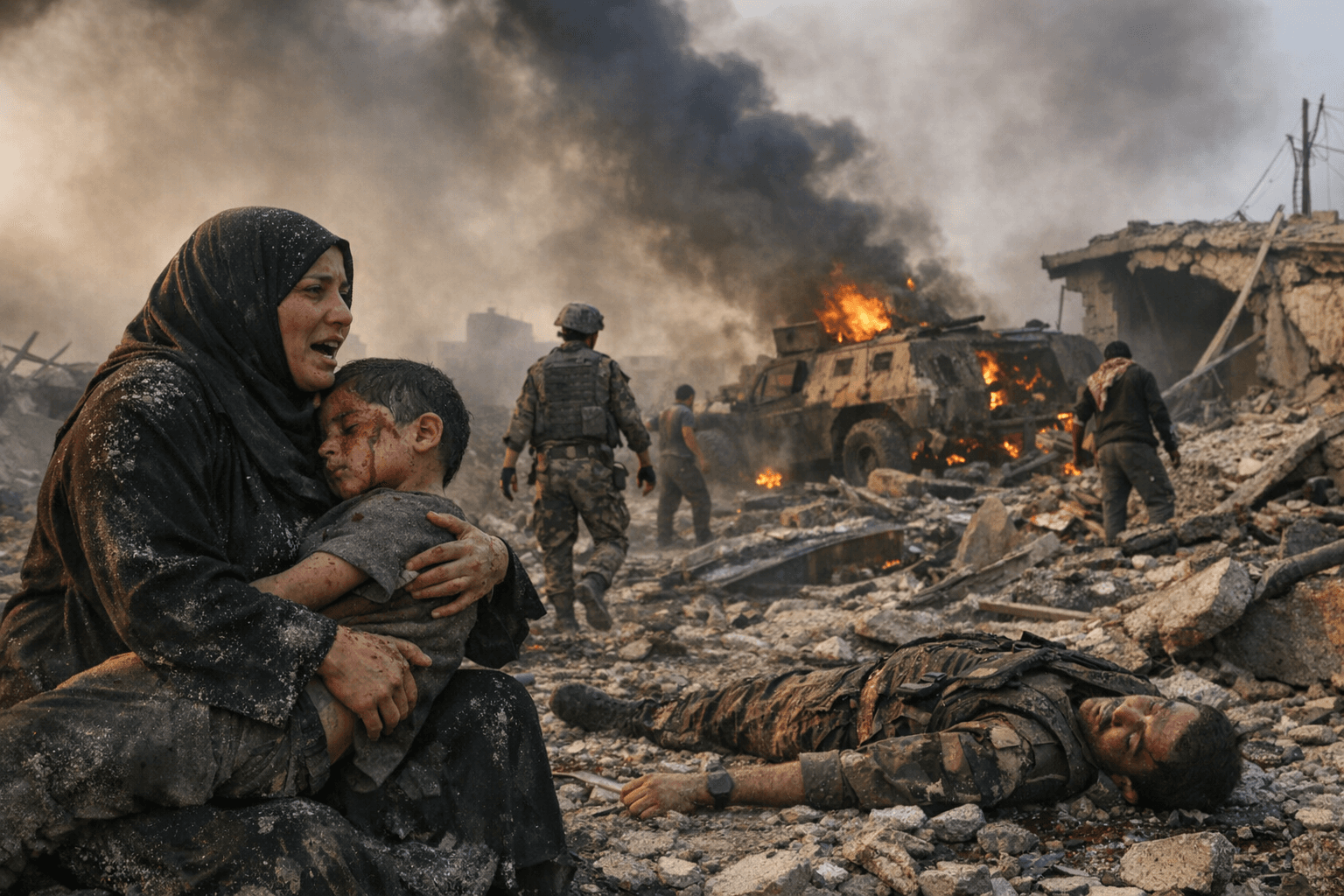
Beyond battlefield claims, Syrian authorities warned civilians to avoid former SDF positions in multiple provinces, alleging that SDF and elements linked to the Kurdistan Workers Party had planted explosives and booby-trapped buildings, vehicles and places of worship. Those warnings underline acute risks to returning residents and humanitarian workers trying to assess damage in contested areas.
International actors are closely watching developments. A U.S. Central Command official, speaking on condition of anonymity, said the United States was aware of the reports and was monitoring the situation. The SDF has appealed to international guarantors to intervene to protect civilians and preserve the ceasefire.
The immediate political stakes are stark: if the truce collapses, Damascus could press its advantage and seek to advance into the last Kurdish-held urban centers, reshaping control of northeastern Syria and complicating any negotiated integration. For civilians, the mix of renewed combat, booby-trapped infrastructure and displacement threatens prolonged insecurity that will test regional diplomatic channels and the capacity of international actors to prevent a wider conflagration.
This article was produced by Prism’s automated news system from verified source data, official records, and press releases, then run through automated quality and moderation checks before publishing. The system is built and supervised by the people who set the standards it runs under. Read our full AI policy.
Did this article answer your question?


