Deadly flash flooding hits Texas again, one man killed near San Antonio
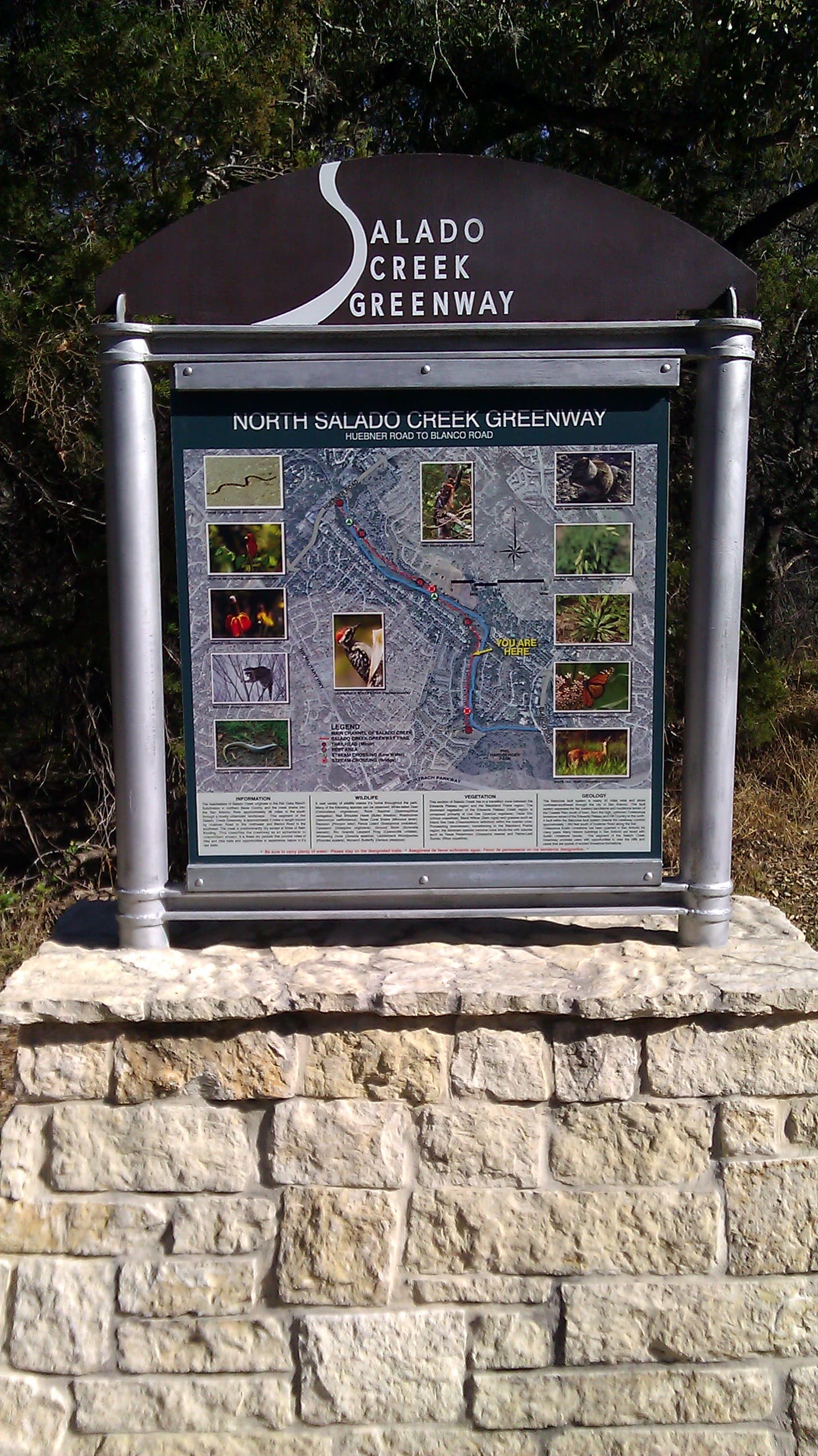
Rising floodwaters along Salado Creek killed a man near San Antonio as more than 9 inches of rain hammered the region and revived memories of Texas's deadliest flash flood.
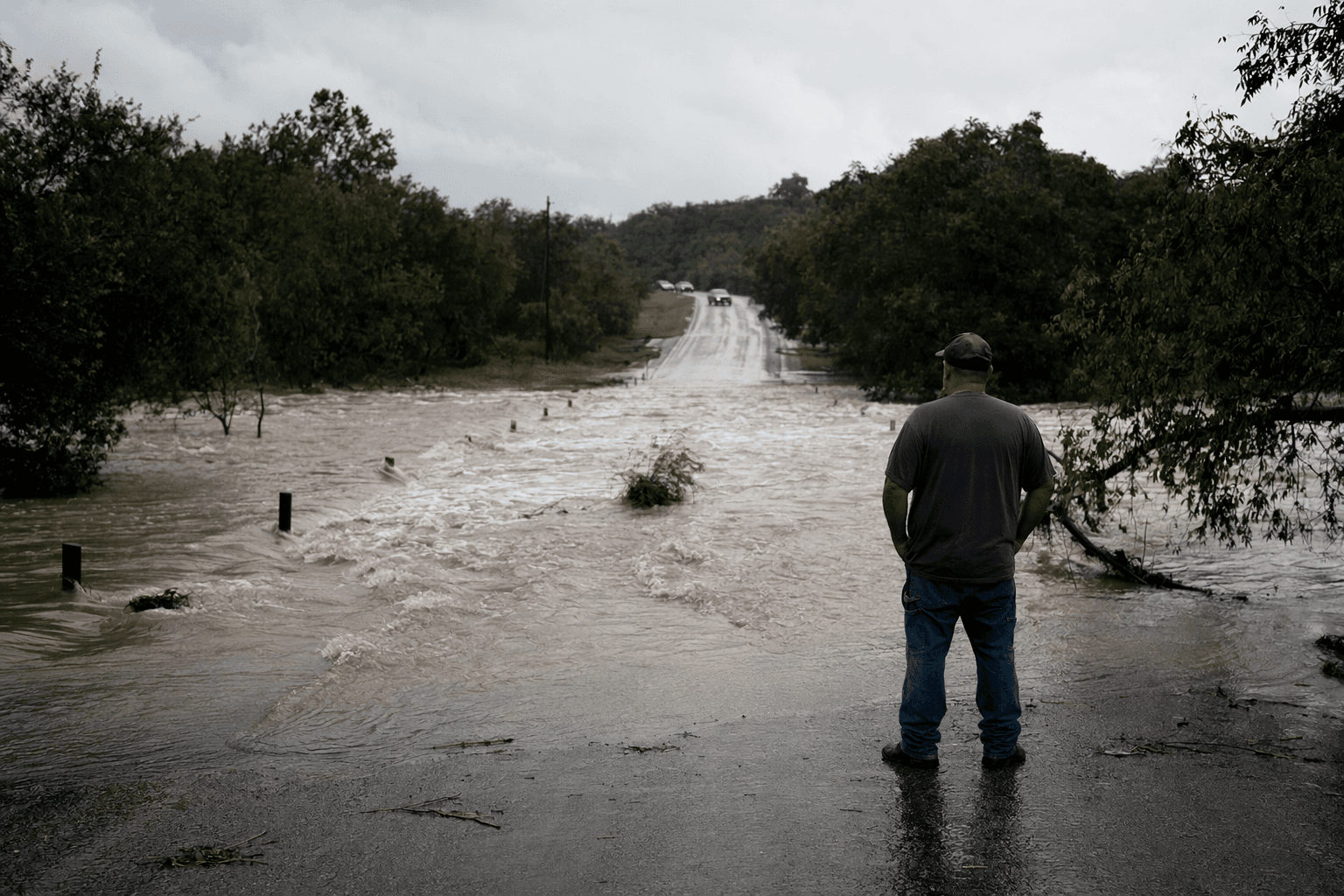
Rising floodwaters along Salado Creek killed a man believed to be homeless after rescuers lost sight of him in San Antonio, a stark reminder of how quickly flash floods turn lethal in low-lying urban corridors where people have little warning and little margin for escape.
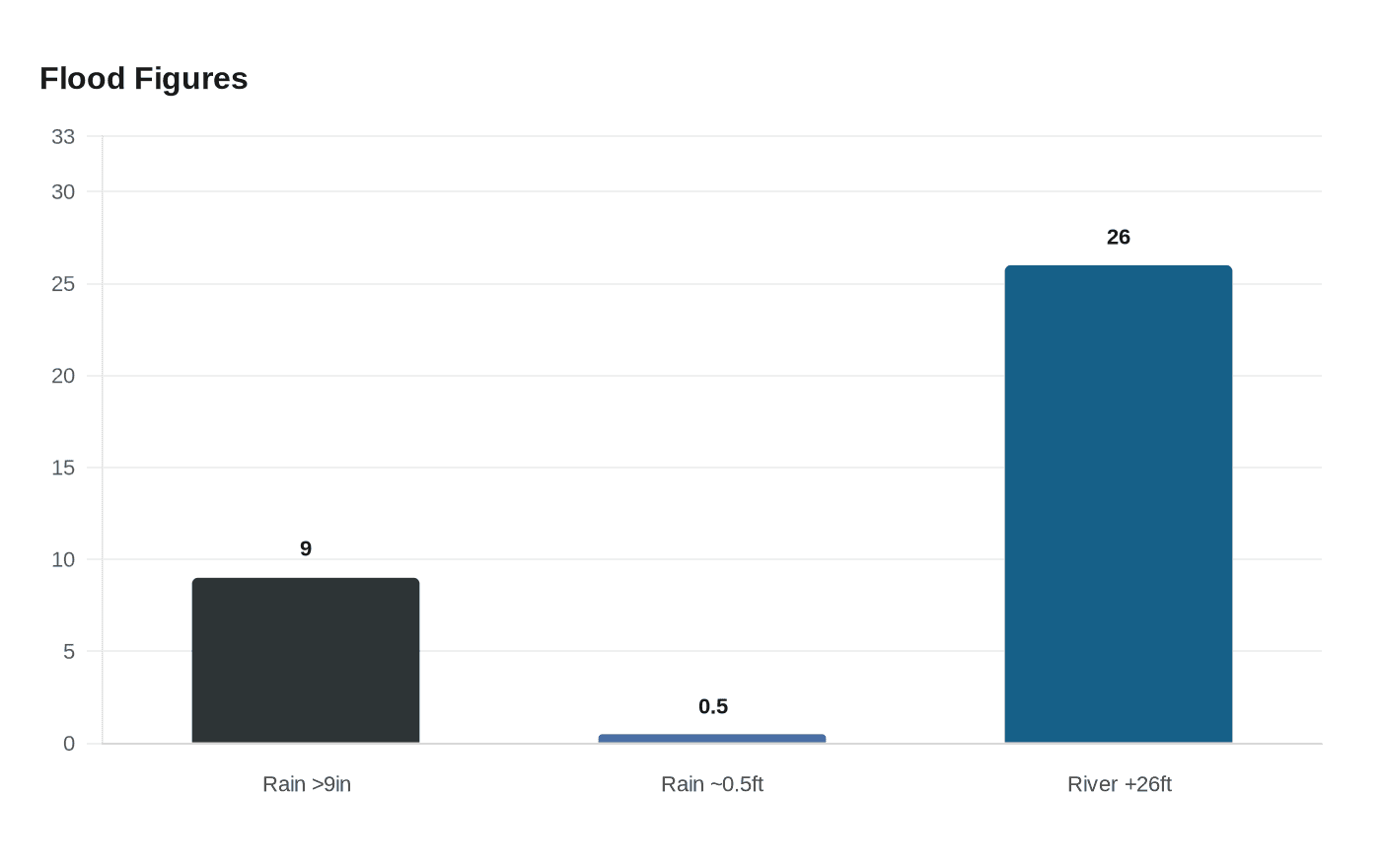
The San Antonio Police Department said the death came amid severe flooding that dumped more than 9 inches of rain just north of the city on Monday. Some parts of Texas saw nearly half a foot of rain since Sunday, turning creeks, streets and drainage channels into fast-moving hazards. In areas like Salado Creek, where water can rise with little notice, the danger is especially acute for unhoused residents and others who may be outdoors when storms overwhelm drainage systems.
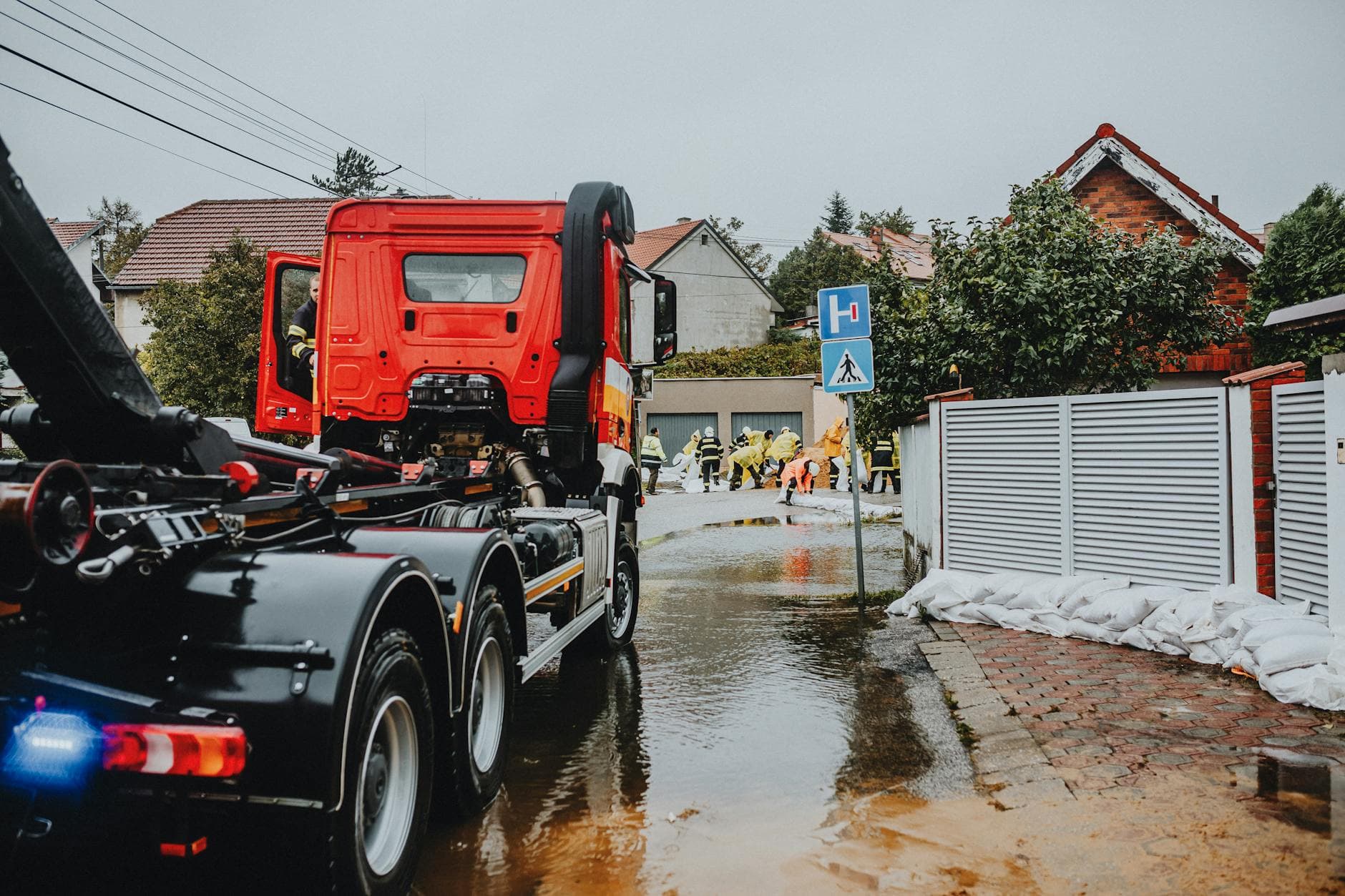
The death also reopens a painful statewide pattern. Texas has already endured repeated deadly flash-flood emergencies, most notably the July 4, 2025 disaster in the Hill Country that killed at least 136 people, including more than two dozen children and counselors at Camp Mystic. In that flood, the Guadalupe River rose 26 feet in about 45 minutes, a rise so abrupt it swept away homes and buildings before many residents could react.
That catastrophe triggered intense scrutiny of warning and response systems, including Kerr County’s CodeRed alerts and whether people received National Weather Service warnings in time. Those questions still hang over flood-prone parts of Texas, where rapid development, hardened ground, and overloaded drainage can combine to make stormwater move faster and farther than many residents expect. In fast-growing cities, the people most exposed are often those closest to the water and farthest from shelter.
The latest death near San Antonio underscores that vulnerability. A single line of storms can be enough to turn a creek into a death trap, especially when heavy rain falls over neighborhoods built around narrow channels, roadside culverts and other drainage corridors never designed for extreme bursts of water. As Texas faces another round of violent flooding, the risk is not just the storm itself but the persistent gaps in warning reach, infrastructure and emergency planning that leave the most vulnerable in the path of the water.
This article was produced by Prism’s automated news system from verified source data, official records, and press releases, then run through automated quality and moderation checks before publishing. The system is built and supervised by the people who set the standards it runs under. Read our full AI policy.
Did this article answer your question?

