Deadly snake bites rise as warmer weather drives more encounters
California has logged three snakebite deaths and 77 rattlesnake-bite calls in three months, a dangerous early-season spike tied to warmer weather and more outdoor exposure.
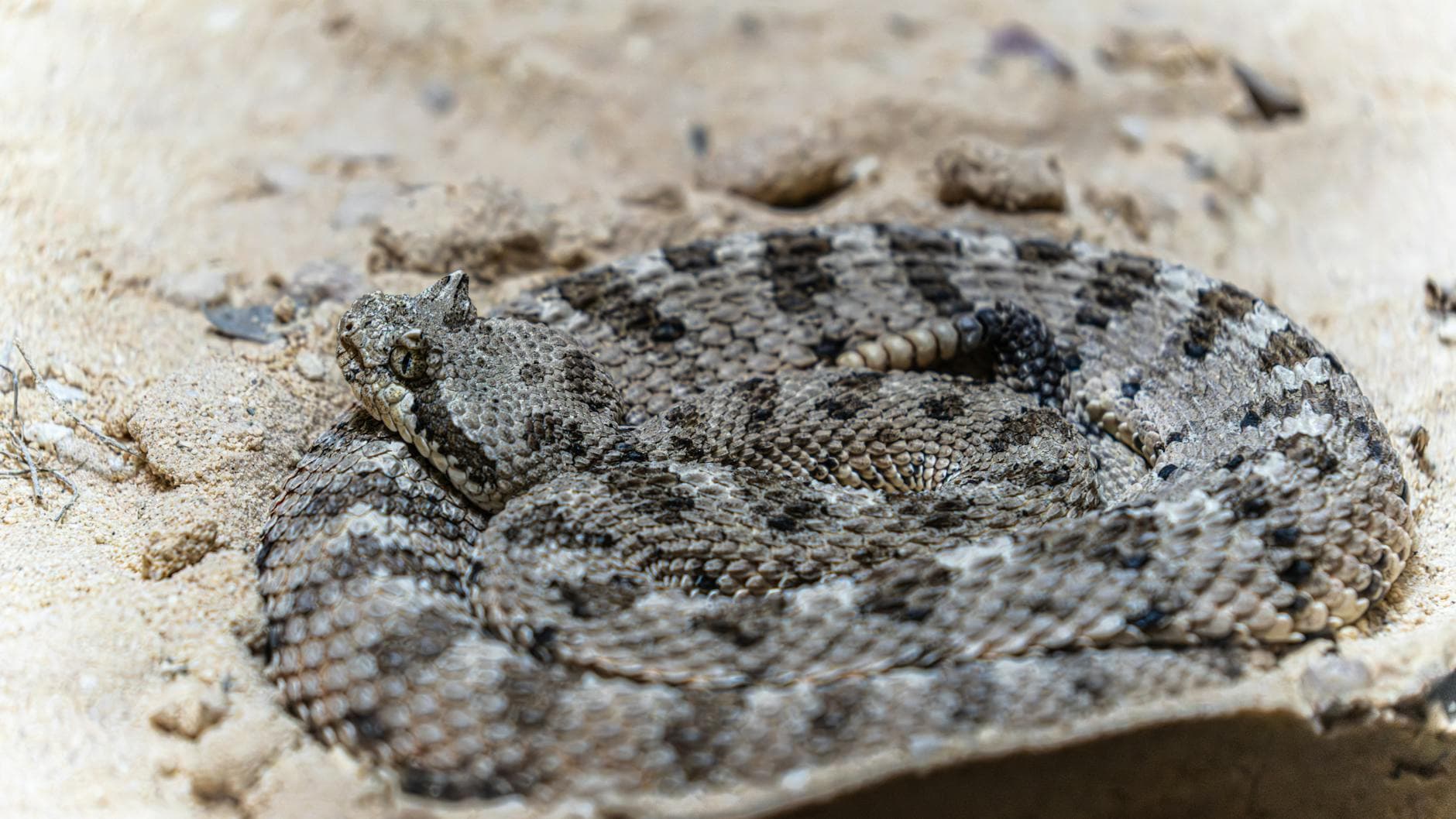
Deadly snakebites are rising as warmer weather brings more people into snake country, and California’s early 2026 numbers show how quickly a preventable encounter can turn tragic. The state has already recorded three snakebite fatalities this year, a grim total in a country that typically sees about five snakebite deaths nationwide in an entire year.
The warning signs were clear in the first three months of 2026. The California Poison Control System received 77 rattlesnake-bite calls, a pace that points well beyond the usual annual total of about 200 to 300 calls. Reports tied many of the encounters to hikers, trail users, backyard activity and people on rural properties, a reminder that risk is not limited to remote wilderness. As homes, roads and recreation push deeper into wildlife habitat, snakes and people cross paths more often.
The latest fatal case underscored how narrow the margin can be. In Mendocino County, a 78-year-old woman was bitten on April 8, treated at a hospital and died on April 10. The Mendocino County Sheriff’s Office confirmed the death, which marked the third deadly snakebite victim in California this year. Similar fatal bites in Southern California added to the sense that the state’s snake season had arrived early and forcefully.
Public-health officials say the danger is not just the bite itself but the delay that can follow. Panic, slow transport and hesitation to seek care can worsen outcomes, while fast treatment can make the difference between recovery and a medical crisis. University of Virginia Health has noted that prompt hospital treatment usually leads to full recovery, and that antivenom and supportive care may be needed after a venomous bite.
That makes preparation as important as caution. People heading outdoors need to know where snakes are active, avoid provoking them and treat any bite as an emergency. The U.S. Forest Service has already warned Californians as the surge spread, signaling that officials see this as a real seasonal hazard rather than an isolated run of bad luck. With more warm days ahead, the public-health lesson is plain: fewer encounters, faster treatment and better awareness are the defenses that keep a snakebite from becoming fatal.
This article was produced by Prism’s automated news system from verified source data, official records, and press releases, then run through automated quality and moderation checks before publishing. The system is built and supervised by the people who set the standards it runs under. Read our full AI policy.
Did this article answer your question?