Japan’s Nursing Homes Recruit Young Athletes to Fill Care Shortage
Japan’s nursing homes are hiring bodybuilders and fighters as caregiver ranks shrink, a sign that as many as 570,000 posts could be left empty by 2040.
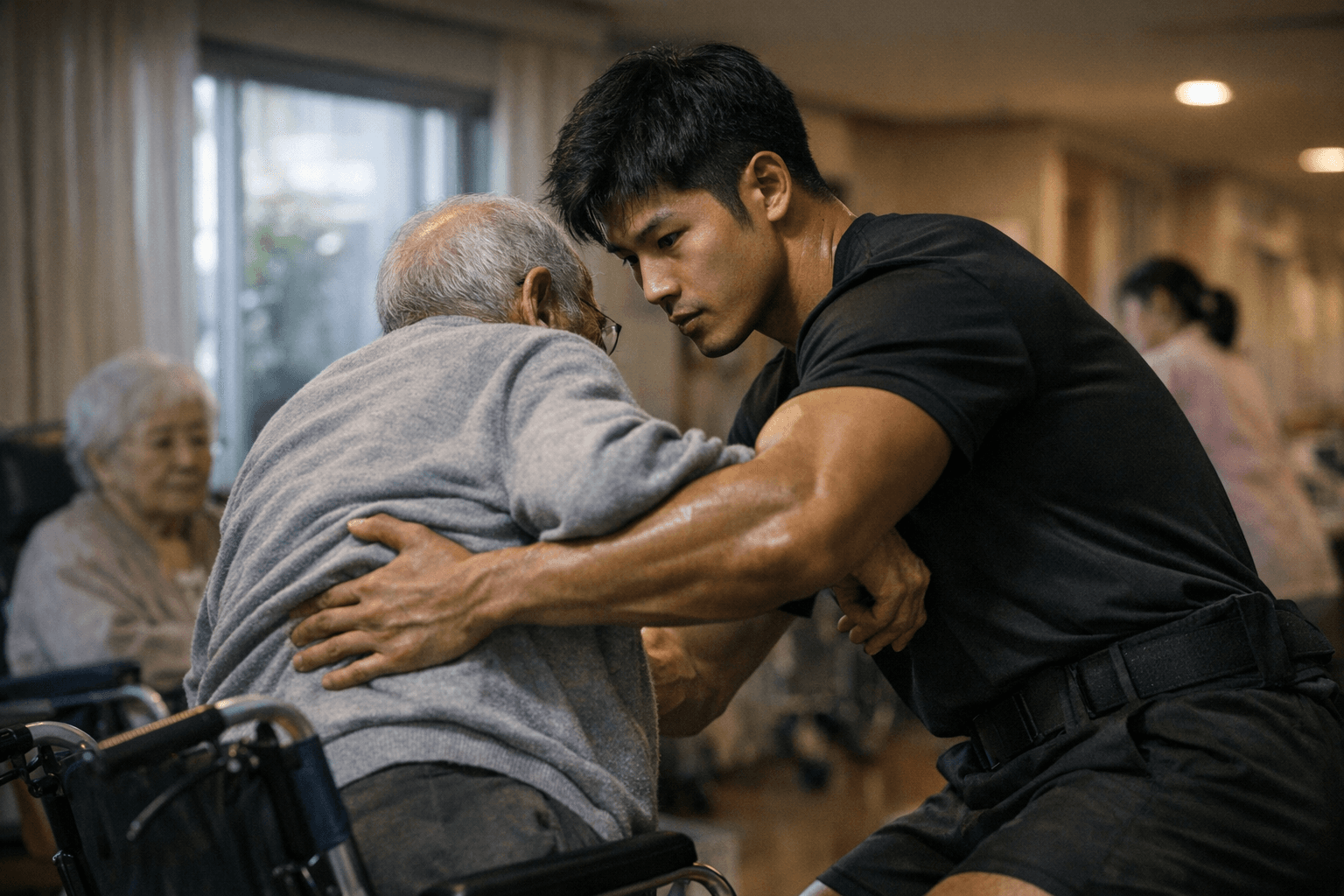
Bodybuilders, wrestlers and mixed martial arts fighters are walking into Japan’s nursing homes because the country’s care system is running short of people. In one of the clearest signs of strain in an aging society, care operators are trying to turn muscle into a recruitment tool as Japan faces a projected caregiver gap that could leave hundreds of thousands of positions unfilled.
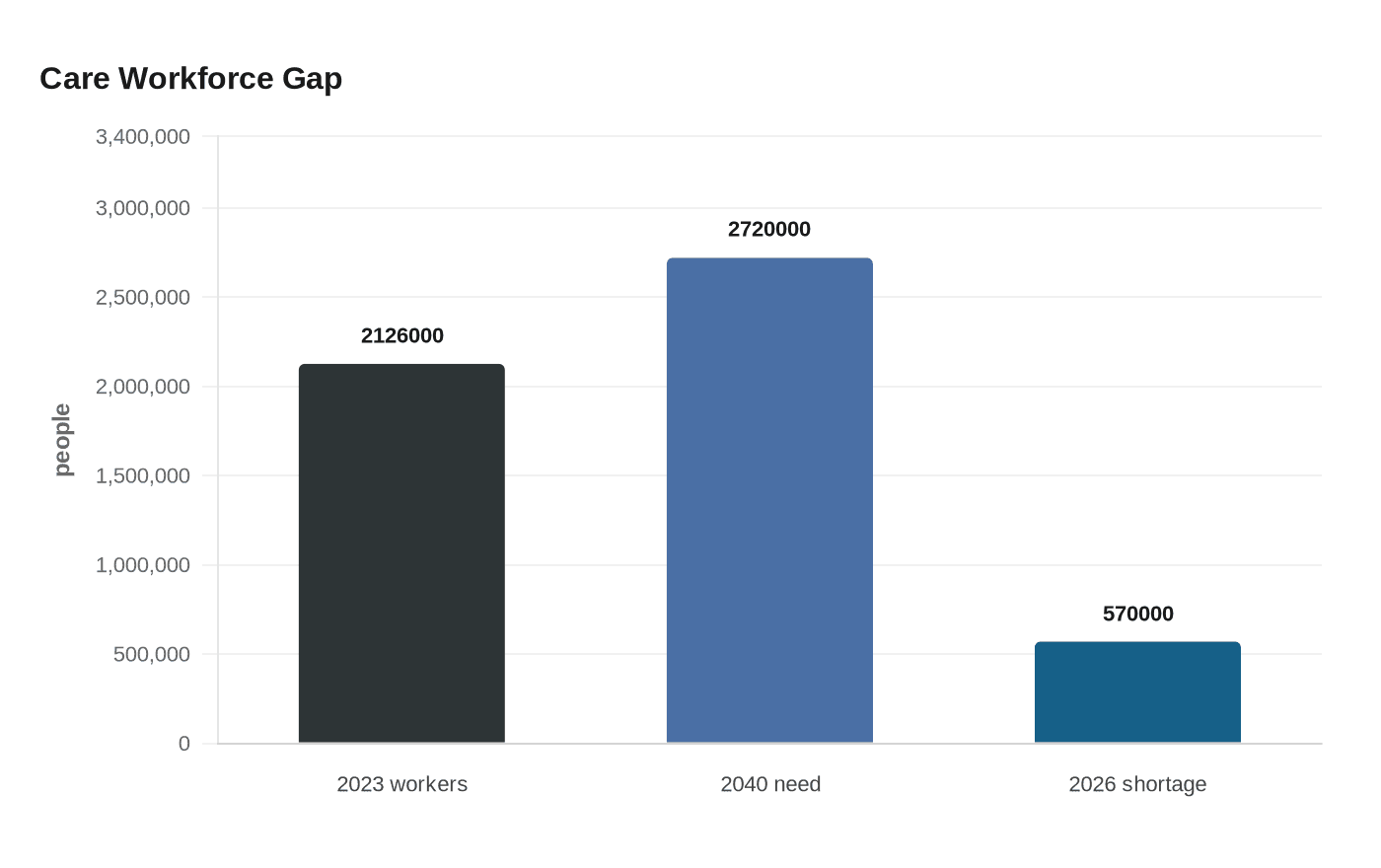
Japan built its long-term care insurance system in April 2000 to answer rapid population aging and the decline of family-based support. The system was designed to provide care backed by society as a whole, and today it supports millions of older people. But the workforce behind it has not kept pace. Japan had about 2.126 million nursing care workers in fiscal 2023, while the health ministry estimated it would need 2.72 million caregivers in fiscal 2040, a shortfall of about 570,000. The ministry also projected a shortage of about 250,000 workers in fiscal 2026.
The shortage has deep structural causes. Care work is physically demanding and still poorly rewarded, with monthly pay more than ¥60,000 below the average for all industries, according to a union survey. That gap has left nursing homes competing not just with other employers, but with the reality that many young workers still see the field as low-status work. In response, the welfare ministry has moved to support pay hikes and to recruit more foreign staff, including a plan to bring in more workers from Southeast Asia and revise the care-worker qualification exam in fiscal 2025 so foreign nationals can qualify more easily while working.
One of the most visible experiments has come from Visionary Co., Ltd., a care operator based in Nagoya. In 2018, it launched its Macho Caregiving campaign to attract muscular men into the field, offering perks such as paid gym time and subsidies for protein shakes. The company now operates 29 nursing homes and care facilities nationwide and has employed more than 30 bodybuilders. Applications for the program rose 20% from the previous year to about 150, and one breakdown said about a quarter of the workforce was under 24.
At facilities such as Oasis Ichinomiya in Aichi Prefecture, the appeal is practical as well as symbolic. The recruits use their strength to transfer residents from wheelchairs to beds and to help with bathing, tasks that can strain smaller staff members. Residents have said the muscular caregivers made them feel safer, a reminder that the recruitment pitch is about more than novelty. It is a response to a care economy under demographic stress, where the question is no longer whether Japan can afford to change, but whether it can afford not to.
This article was produced by Prism’s automated news system from verified source data, official records, and press releases, then run through automated quality and moderation checks before publishing. The system is built and supervised by the people who set the standards it runs under. Read our full AI policy.
Did this article answer your question?