OpenAI makes ChatGPT for Clinicians free for U.S. medical professionals
OpenAI made ChatGPT for Clinicians free for verified U.S. clinicians, betting that AI can save time on notes, research and billing without compromising safety.

OpenAI made ChatGPT for Clinicians free for verified U.S. physicians, nurse practitioners, physician assistants and pharmacists, a move aimed squarely at the time-sucking work that now crowds out patient care. The product is being pitched as a helper for clinical documentation, medical research and other routine tasks, with immediate value for front-line clinicians in overstretched health systems.
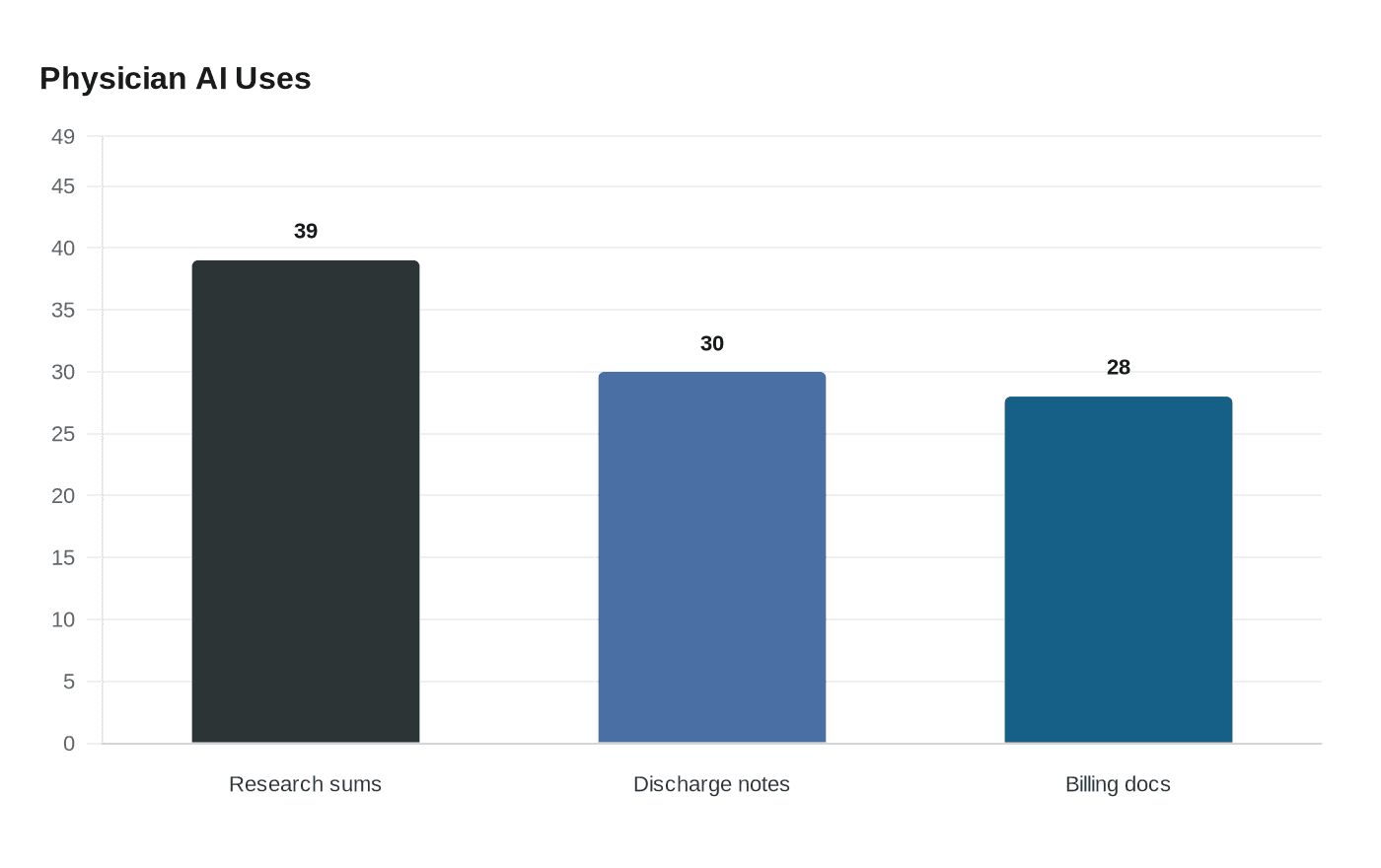
The timing fits a profession already leaning hard into AI. In the American Medical Association’s 2026 Physician Survey on Augmented Intelligence, fielded from January 15 to February 2 and completed by 1,692 physicians, more than 80% said they now use AI professionally. The most common uses were summaries of medical research and standards of care at 39%, discharge instructions, care plans or progress notes at 30%, and documentation of billing codes, medical charts or visit notes at 28%. OpenAI also pointed to a separate finding that 72% of physicians now use AI in clinical practice, up from 48% the year before.
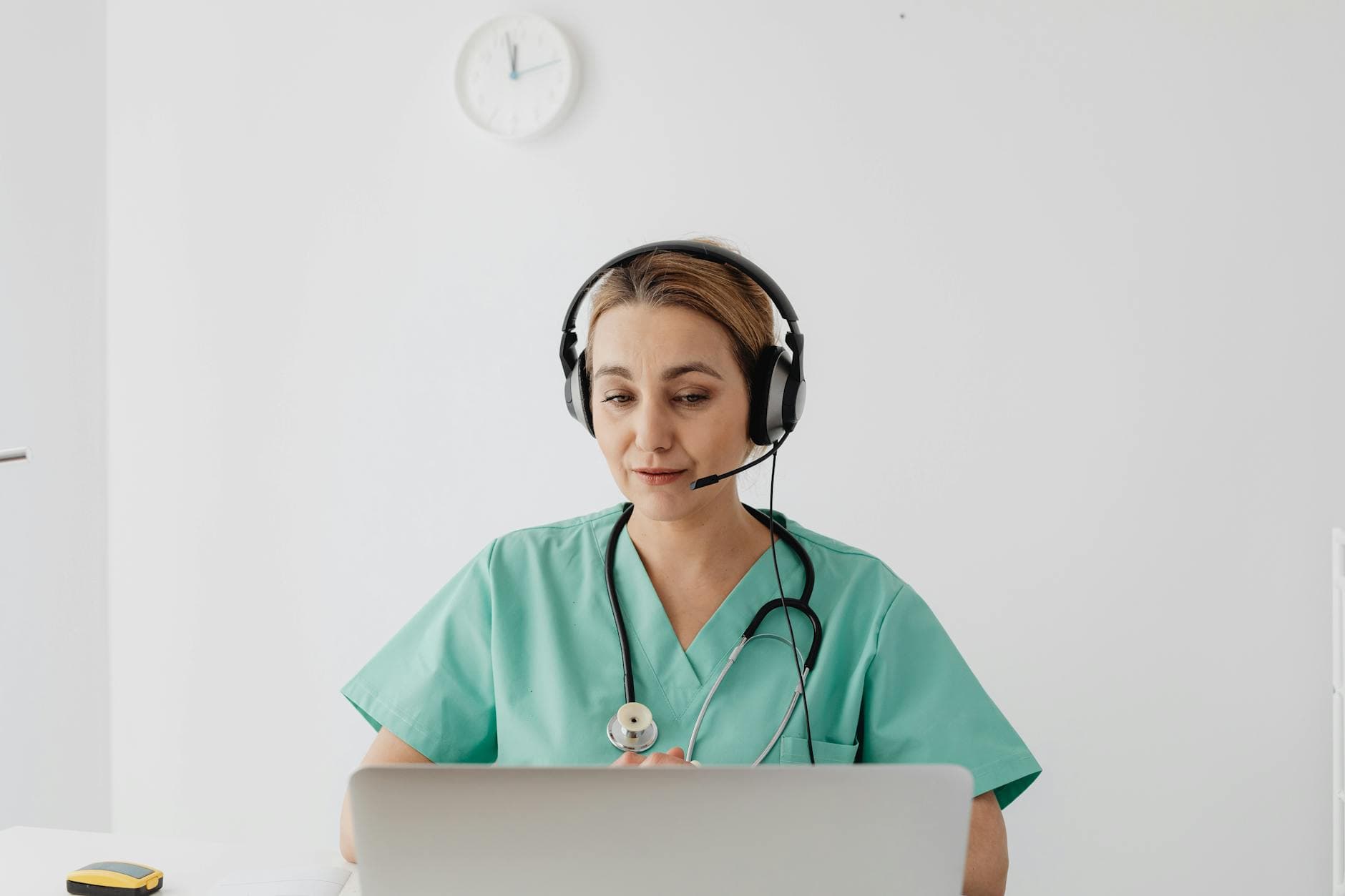
That matters because the easiest gains from tools like ChatGPT for Clinicians are operational, not diagnostic. Physicians, advanced practice practitioners and pharmacists can use a system like this to draft notes, compress literature searches and pull together chart summaries faster, especially when administrative work has become a drain on evenings and weekends. A 2025 study in JAMA Network Open found that ambient AI scribes were associated with lower burnout and less after-hours documentation across 263 physicians and advanced practice practitioners in six health systems, a sign that workflow tools can win early acceptance even before they touch direct patient decisions.
OpenAI is not stopping at a free clinical interface. Its broader ChatGPT for Healthcare offering is an enterprise workspace for clinicians, administrators and researchers, designed for HIPAA-compliant deployment, secure controls and cited answers drawn from trusted medical evidence. The company also introduced HealthBench Professional, an open benchmark for care consults, writing and documentation, and medical research. OpenAI’s original HealthBench used 5,000 realistic health conversations and input from 262 physicians who had practiced in 60 countries, an attempt to measure performance against real clinical tasks rather than generic chat.
The regulatory stakes remain high. The World Health Organization published guidance on large multi-modal models in health on March 25, 2025, and the U.S. Food and Drug Administration has been examining generative AI in medical-device settings through its Digital Health Advisory Committee. That backdrop makes verification, liability and hallucination risk central, not peripheral. OpenAI’s push is a clear signal that AI vendors want to move from consumer novelty to trusted work assistant in medicine, but the real test will be whether the tools can reduce clerical load without introducing new clinical errors.
This article was produced by Prism’s automated news system from verified source data, official records, and press releases, then run through automated quality and moderation checks before publishing. The system is built and supervised by the people who set the standards it runs under. Read our full AI policy.
Did this article answer your question?