Death Toll in Southern Thailand Floods Reaches 162, Rescue Operations Strained
Thailand’s government says 162 people have died in severe flooding across the southern provinces as rescue and relief teams race to reach isolated communities. The storms have damaged infrastructure and disrupted transport links, creating urgent needs for emergency resources and raising broader questions about economic disruption and climate resilience.
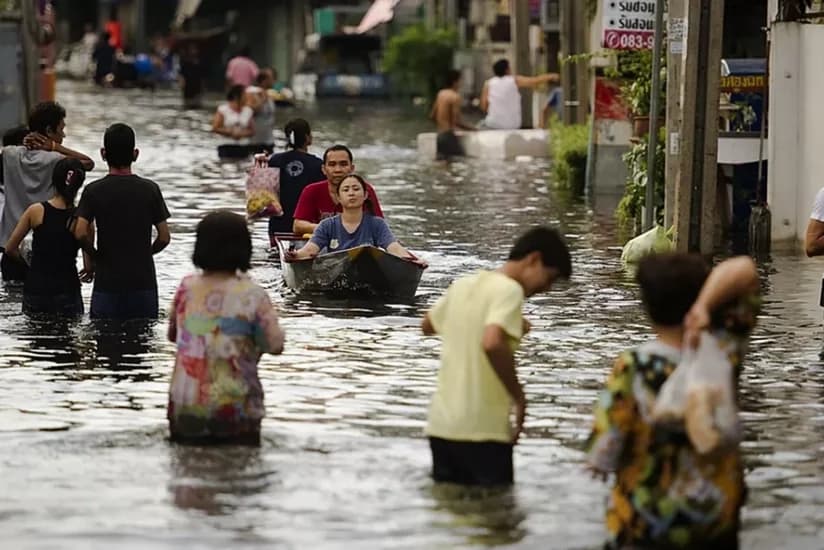
Rescue and relief operations in southern Thailand are under intense pressure after the government reported 162 fatalities from severe floods that began with torrential rains linked to a tropical weather system and rare storms in the Malacca Strait. Authorities said the flooding has forced large scale evacuations, damaged critical infrastructure and disrupted transport links, while warnings of continued heavy rain threaten to slow recovery and complicate distribution of aid.
Floodwaters inundated towns and rural areas across several provinces, overwhelming drainage systems and isolating communities. Local authorities and national agencies mobilized military and civilian boats for search and rescue, and emergency shelters have been established, but officials have appealed for additional resources to handle the scale of the crisis. Power outages and communications interruptions in some areas have further hampered coordination of relief efforts.
The human toll is one immediate measure of the catastrophe. Economists and local officials are already weighing the broader economic consequences. Southern Thailand is a key region for agriculture, fisheries and tourism, and transport disruptions in ports, roads and inland logistics nodes could ripple through supply chains at a time when regional trade flows are sensitive to interruptions. Farmers face immediate losses to standing crops and fisheries operations have been disrupted by rough seas and damaged landing facilities, compounding income losses for vulnerable communities.
Tourism is likely to be hit in the short term. The floods coincide with the high season for domestic and international travel in Thailand, and damage to roads and services could reduce visitor numbers and local spending in coastal and island destinations. For an economy that relies on tourism for a significant share of employment and foreign exchange earnings, prolonged disruption could weigh on consumer spending and local government revenues in affected provinces.

The floods also pose fiscal and insurance questions. Emergency response and reconstruction will require central funding and logistical support, increasing pressure on public finances at a moment when governments globally face competing budgetary priorities. Private insurers may face higher claims for damaged homes and businesses, and extended losses in agriculture and fisheries could test existing compensation and crop insurance mechanisms.
Analysts say the event fits a pattern of intensifying extreme weather in the region, increasing the urgency for investments in climate adaptation and resilient infrastructure. Flood defenses, improved land use planning and stronger early warning systems are among measures that could reduce vulnerability and lower long run recovery costs. For now, the priority remains life saving operations and restoring basic services to thousands of displaced people.
As heavy rain warnings persist, authorities are urging caution and accelerating resource requests. The coming 48 to 72 hours will be critical in determining whether the death toll stabilizes and how quickly relief supplies can reach isolated communities, shaping both the humanitarian and economic contours of the disaster in the weeks ahead.
This article was produced by Prism’s automated news system from verified source data, official records, and press releases, then run through automated quality and moderation checks before publishing. The system is built and supervised by the people who set the standards it runs under. Read our full AI policy.
Did this article answer your question?