Deere Settles Right-to-Repair Lawsuit for $99 Million, Promises Tool Access
Deere agreed to a $99 million settlement and 10 years of unlocked diagnostic tools to resolve farmer claims that it blocked independent repairs.
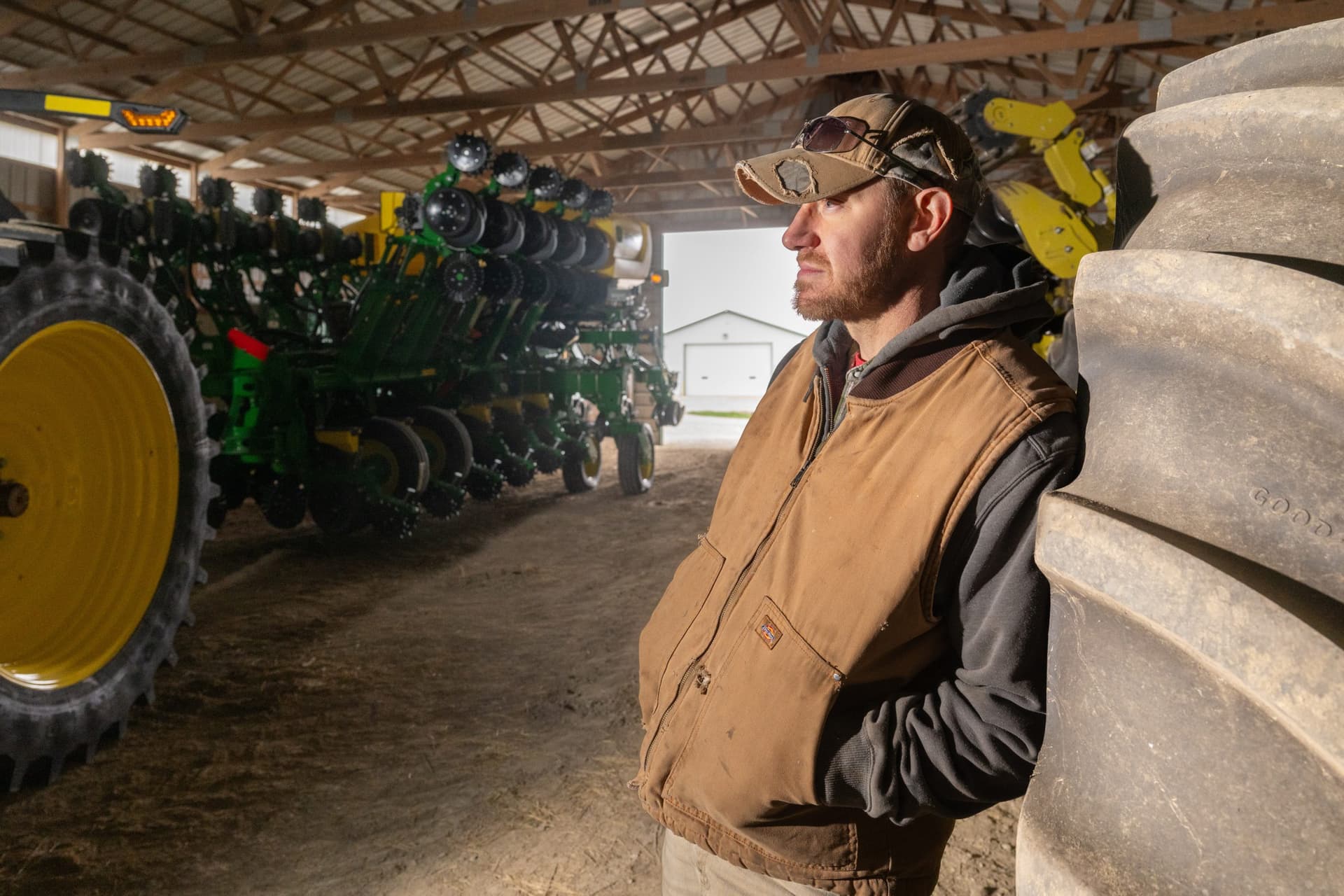
Deere & Company offered Monday to pay $99 million and share proprietary diagnostic software with farmers for a decade, proposing a settlement of the multidistrict class-action lawsuit accusing the agricultural equipment manufacturer of restricting independent repairs and steering operators toward expensive authorized dealers.
The proposed settlement, filed in U.S. District Court for the Northern District of Illinois, committed Deere to making available the "digital tools required for the maintenance, diagnosis, and repair" of large agricultural equipment including tractors, combines, and sugarcane harvesters. The 10-year access pledge could fundamentally alter repair economics for operations that have long depended on Deere's dealer network, where proprietary software has traditionally locked out independent technicians.
The $99 million fund would compensate class members who paid Deere's authorized dealers for covered repairs from January 2018 onward. The case grew from a 2022 complaint and remains subject to a judge's approval. Deere characterized the deal as ending the litigation "with no finding of wrongdoing."
Denver Caldwell, Deere's vice president of Aftermarket & Customer Support, said the company remains "committed to providing customers and other service providers with access to repair resources" as it continues to support dealer networks and product innovation.
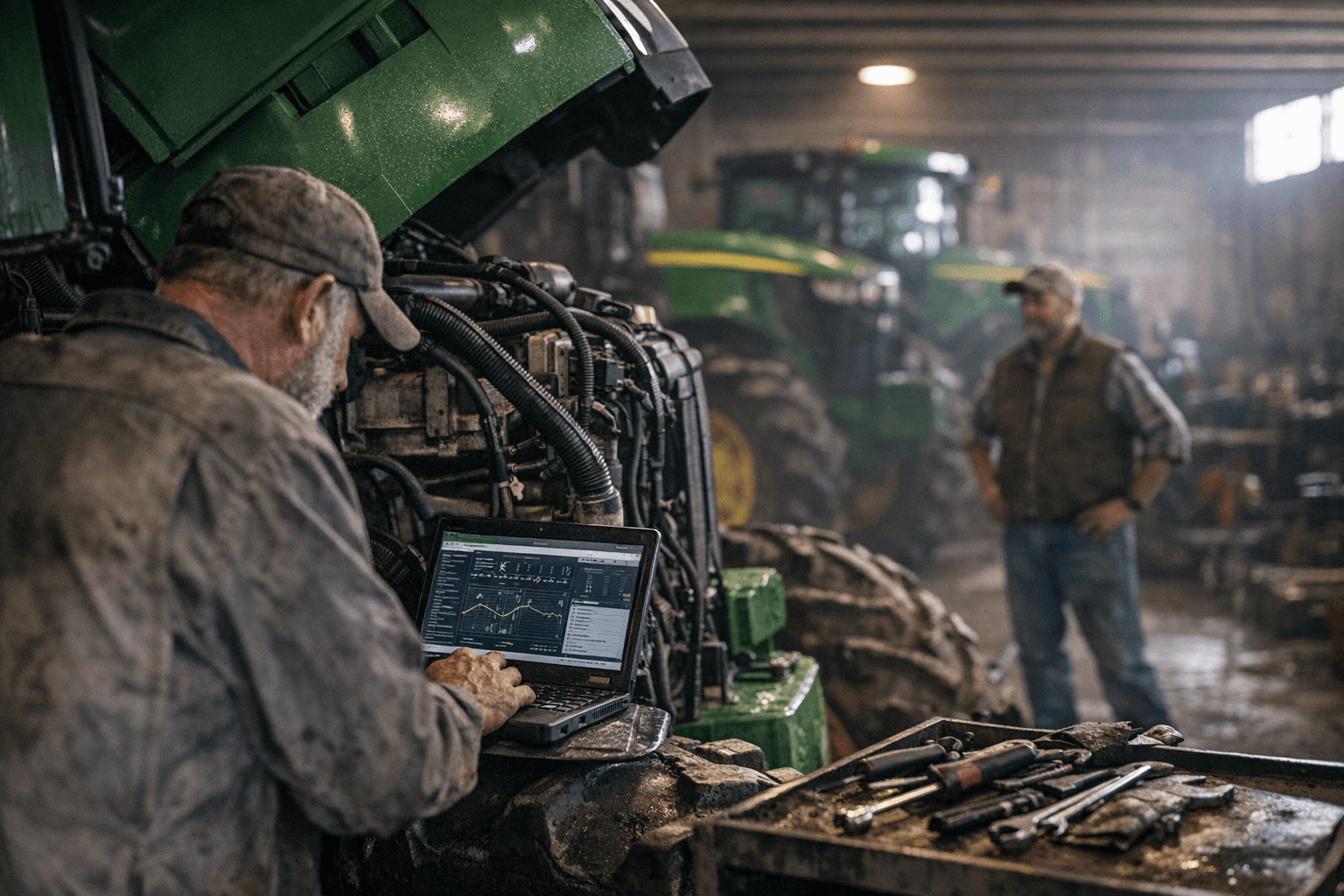
The settlement comes as Deere faces a separate, unresolved antitrust action brought by the Federal Trade Commission, which alleged the company limited farmers' ability to independently repair equipment in ways that funneled business to authorized dealers and raised costs. A federal judge in 2025 ruled Deere must face that FTC lawsuit, leaving the regulatory front open even as the class-action dispute nears resolution.
Deere's machines have become an especially contentious flashpoint in the broader right-to-repair movement because they increasingly rely on diagnostic software and firmware accessible only through dealer systems, complicating timely field repairs during planting and harvest seasons. Plaintiffs and regulators argued that tight control over those tools created a monopolistic aftermarket that inflated costs for the agricultural operations most dependent on minimizing downtime.
If the settlement receives court approval and Deere fulfills its digital tools pledge, the accord could become a reference point for resolving similar disputes across heavy equipment. Regulators and independent repair businesses will scrutinize whether the tools provided prove complete, timely, and genuinely usable by independent technicians, and the FTC's ongoing case ensures that legal scrutiny of Deere's repair practices will continue regardless.
This article was produced by Prism’s automated news system from verified source data, official records, and press releases, then run through automated quality and moderation checks before publishing. The system is built and supervised by the people who set the standards it runs under. Read our full AI policy.
Did this article answer your question?

