Defense lawyers accuse Justice Department of serving Trump’s political goals
A judge tossed Kilmar Abrego Garcia’s case after finding prosecutors revived it only after he fought deportation. Defense lawyers say that ruling fits a wider Trump DOJ pattern.
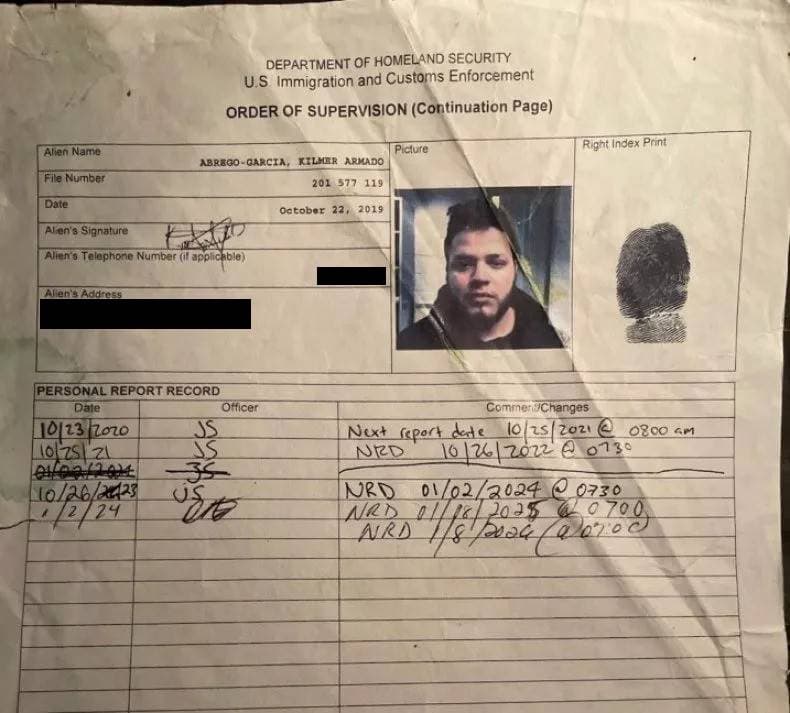
Kilmar Abrego Garcia’s dismissed smuggling case has given Trump-era defense lawyers their clearest opening yet to argue that the Justice Department is bending prosecutions to the president’s political goals. U.S. District Judge Waverly Crenshaw ruled on May 22 that prosecutors reopened an investigation into a November 2022 Tennessee traffic stop only after Abrego Garcia challenged his mistaken deportation to El Salvador, and the judge dismissed the charges as vindictive.
That argument is now spreading well beyond Abrego Garcia. Lawyers for former FBI Director James Comey have asked a judge to toss his indictment as retaliation driven by Trump’s personal animus, while attorneys for New York Attorney General Letitia James have made the same claim after Trump called for criminal charges against his enemies. Smartmatic, the voting technology company, has also moved to dismiss a money-laundering case as political retaliation tied to Trump’s long-running claims about the 2020 election.
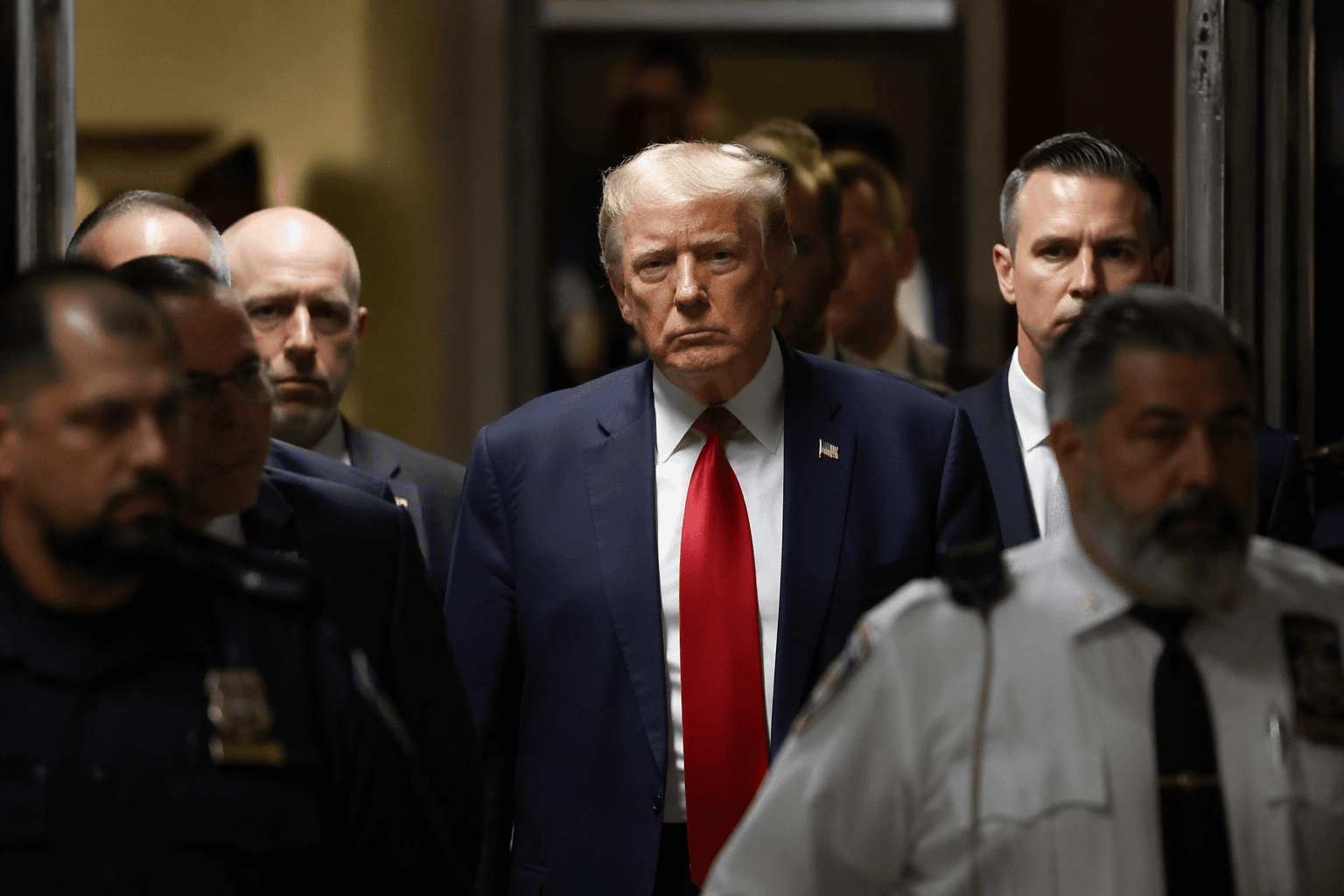
The broader political backdrop is hard to miss. The office of Minnesota Gov. Tim Walz was among the latest additions to the list of Trump critics under investigation, and the Justice Department has also moved against figures tied to a former 2024 opponent, the Federal Reserve and a former cable television critic. At the same time, the department is being run by Todd Blanche, one of Trump’s former criminal defense lawyers, underscoring how deeply the president’s legal orbit now overlaps with federal law enforcement.
For defense teams, the legal theory remains difficult to prove because courts have long set a high bar for selective and vindictive prosecution claims. But the recent wave of filings, and Crenshaw’s ruling in Abrego Garcia’s favor, has made the argument more credible in politically charged cases. What used to look like a long-shot motion is increasingly becoming a central part of the fight over whether the Justice Department is enforcing the law or carrying out the president’s agenda.
This article was produced by Prism’s automated news system from verified source data, official records, and press releases, then run through automated quality and moderation checks before publishing. The system is built and supervised by the people who set the standards it runs under. Read our full AI policy.
Know something we missed? Have a correction or additional information?
Submit a Tip