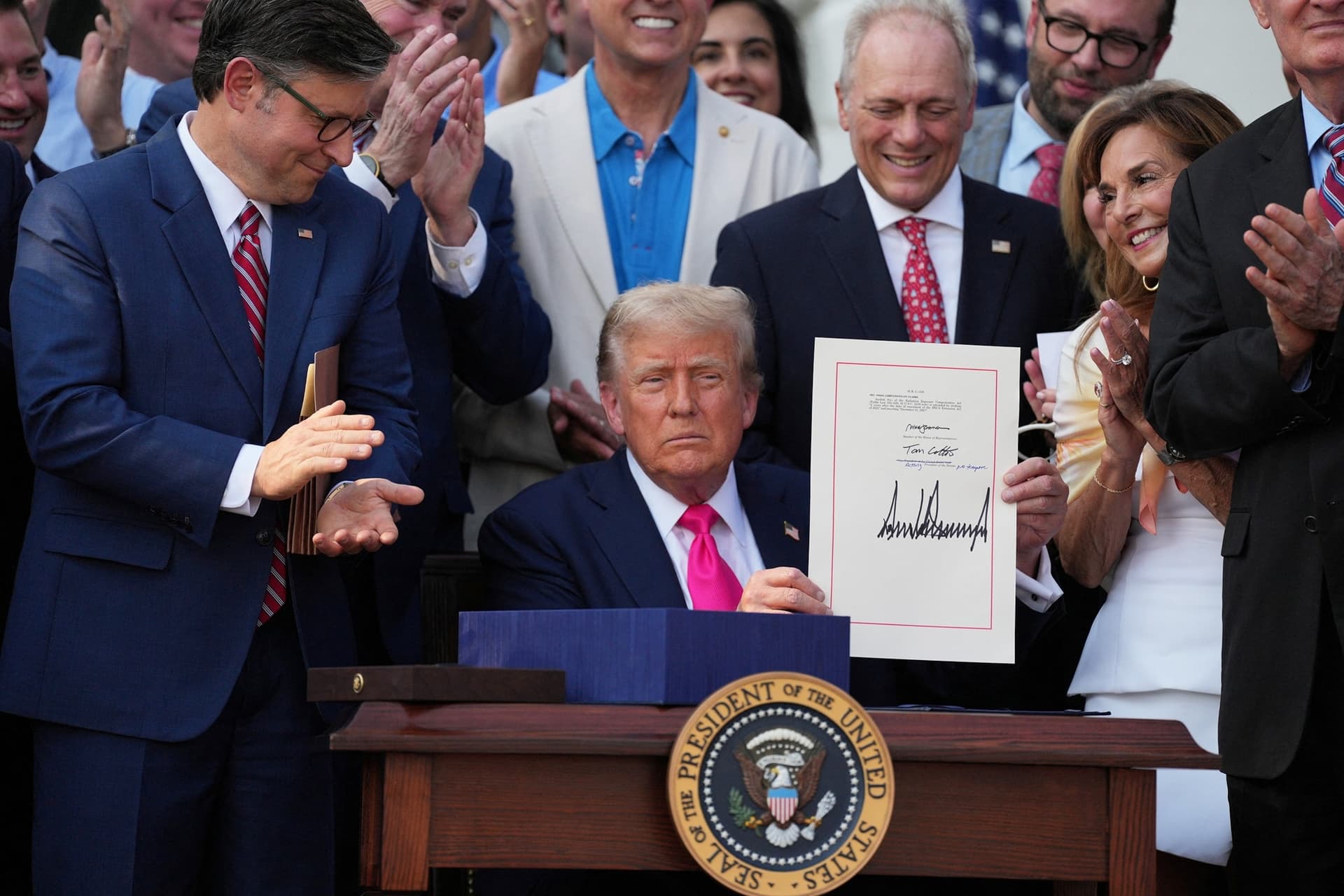
Democrats embrace outsider candidates as midterms fuel party frustration
Melat Kiros’s projected win in Colorado and a poll showing 62% of Democrats want new leadership have sharpened the party’s fight over who can win in November.
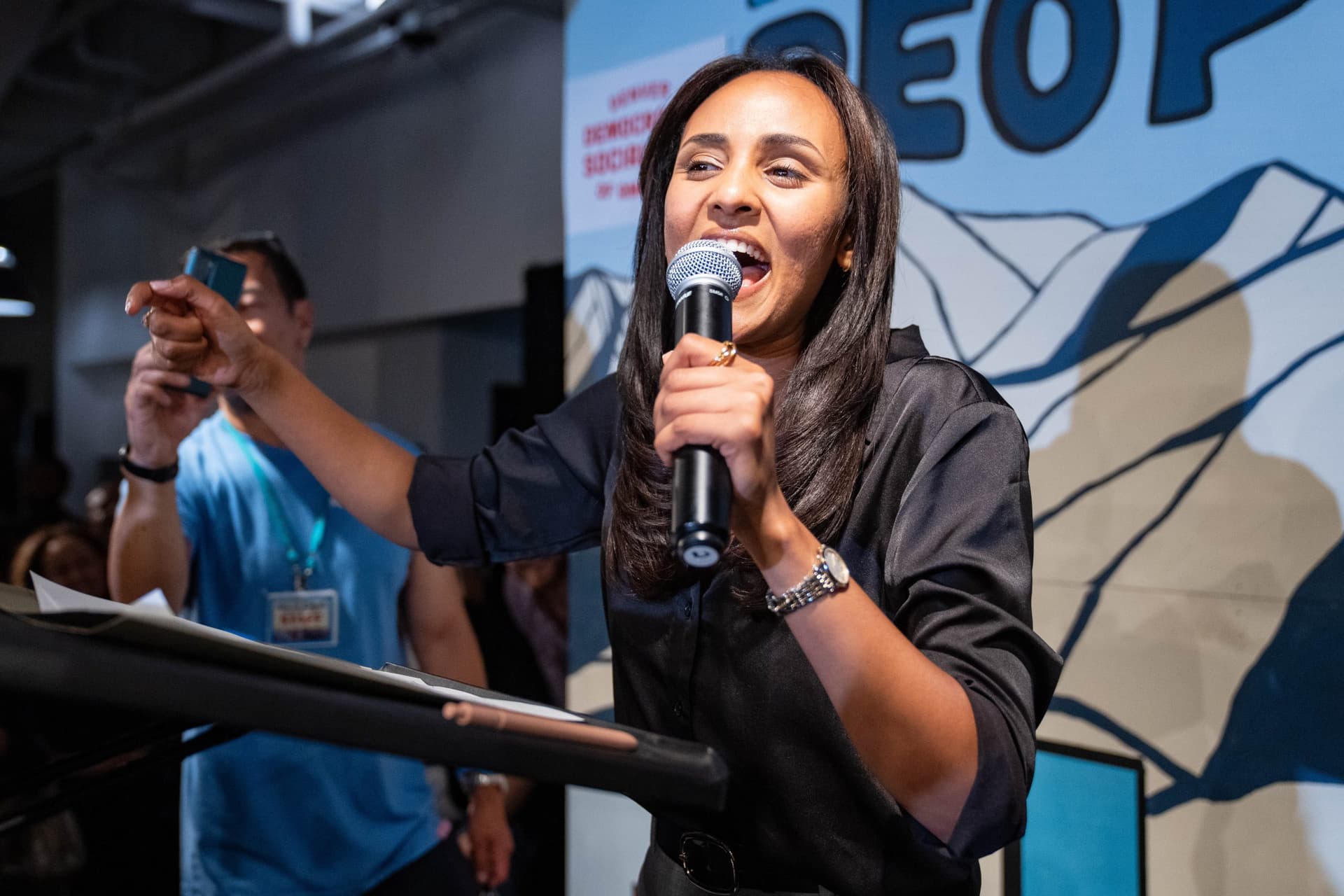
Melat Kiros, a democratic socialist, was projected to win Colorado’s 1st Congressional District Democratic primary, a vivid example of how outsider candidates are gaining ground as Democrats choose their 2026 nominees. The race is part of a primary season that began in early March and stretches through the summer, with the general election set for November 3, 2026.
The broader stakes are large. The midterms will shape the final two years of President Donald Trump’s second term, and Democrats need to flip four Senate seats to regain control of the chamber. Voters are also picking nominees for U.S. Senate in 35 states, governor in 36 states and the House in every state, giving the party’s internal fight over style and message a national stage.

That struggle is playing out between Democrats who want disciplined pragmatists and those who see value in candidates who sound more like challengers to Washington than defenders of it. AP primary coverage has already shown both sides of the divide, with progressive and anti-establishment candidates winning in some Democratic contests while establishment-backed hopefuls have prevailed elsewhere. Kiros’s projected win fit the first pattern, feeding the argument that candidates who promise to overhaul the system can still catch fire inside the party.
The pressure is not just anecdotal. A Reuters/Ipsos poll in June 2025 found that 62% of self-identified Democrats said the party leadership should be replaced with new people. Many in that survey also said Democratic leaders were not focused enough on pocketbook issues such as affordability and taxes, a warning sign for a party trying to reconnect with voters who are watching grocery bills, housing costs and tax debates closely.
Donald Trump’s victory over Kamala Harris in November 2024 intensified the search for a new formula. For some Democrats and strategists, a fiercer, more independent nominee could energize turnout and bring in voters who feel shut out by Washington. For others, especially in competitive states and districts, the same fighter-first instinct could leave the party with nominees who fire up the base but struggle to win the persuadable voters Democrats need in November.
This article was produced by Prism’s automated news system from verified source data, official records, and press releases, then run through automated quality and moderation checks before publishing. The system is built and supervised by the people who set the standards it runs under. Read our full AI policy.
Did this article answer your question?