France government survives no-confidence vote over heatwave response
France's cabinet survived a heatwave protest in parliament with 132 votes, even as emergency-room visits hit 2,089 and a wildfire forced 10,000 evacuations.

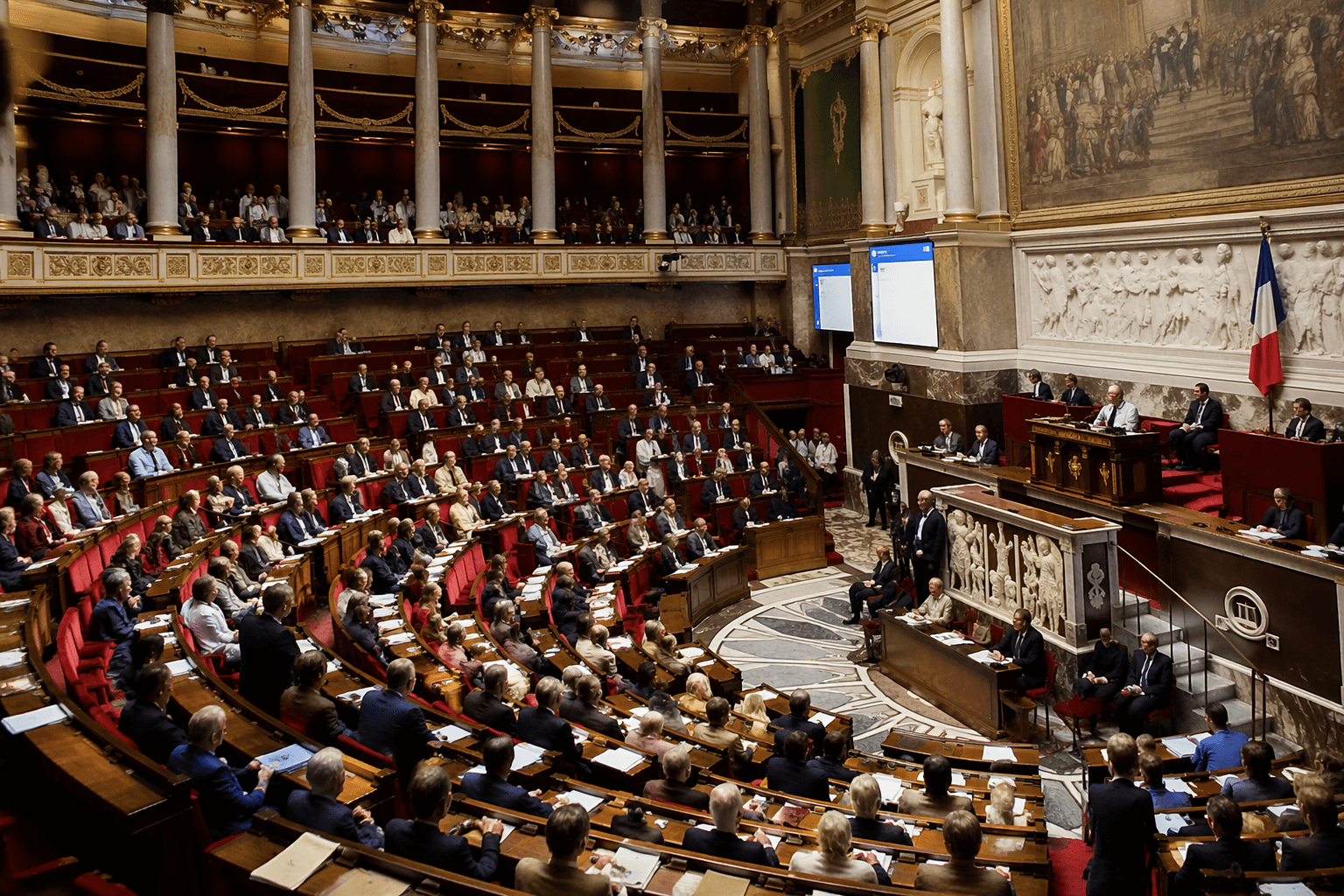
The motion needed 289 votes and drew only 132, leaving Prime Minister Sebastien Lecornu in place after Green Party lawmakers challenged France's response to a late-June heatwave that strained hospitals, emergency doctors and firefighters across the country.
Santé publique France counted the heatwave from June 16. Météo-France issued an orange alert on June 18 and a red alert from June 21 to 28 across a record 72 departments. Orange warnings lasted through July 2 and covered 90 departments, or 95% of mainland France's population. June 23 became the hottest day on record nationwide, and the episode exceeded the intensity of August 2003.
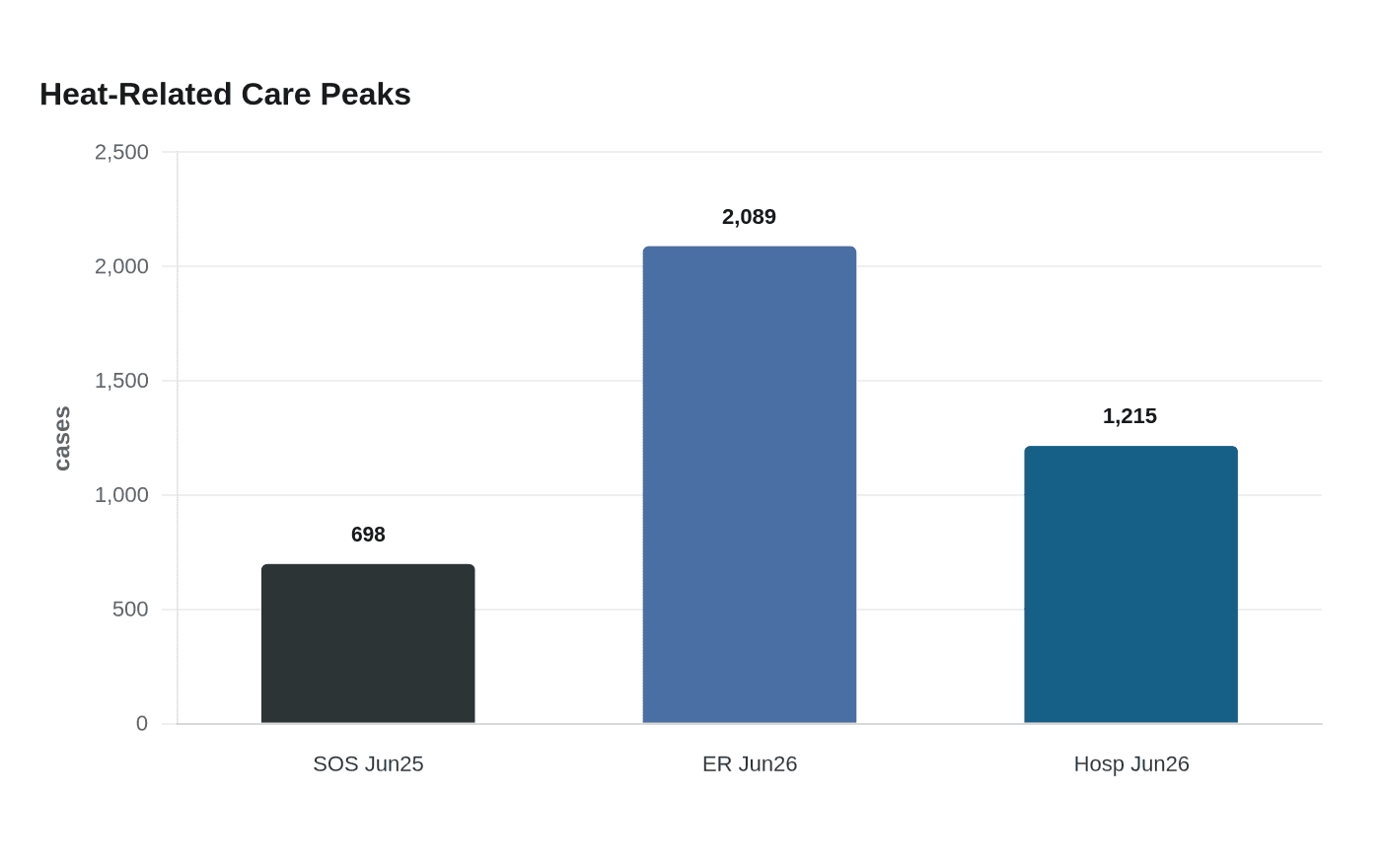
The strain showed up quickly in the health system. SOS Médecins consultations for heat-related illness peaked at 698 on June 25, emergency-room visits reached 2,089 on June 26 and hospitalizations after those visits hit 1,215 that same day. From June 18 to June 29, hospitals recorded 6,351 heat-related admissions, about two-thirds among people aged 75 and older, while deaths recorded during June 22 to 28 rose by nearly 30% from the previous week and deaths at home jumped 91%.
The political fight came as a wildfire in southwestern France burned about 4,600 hectares near the Spanish border, forced the evacuation of more than 10,000 people from two dozen towns and villages and drew four water-bombing aircraft from Cyprus and Sweden sent by the European Union to help around Perpignan. Green lawmakers filed their motion on July 2, and Green lawmakers said as many as 10,000 people may have died in the heatwave, a claim Lecornu dismissed as "scandalous" and "undignified." Lecornu said a vote would not cool hospital rooms, help isolated elderly people or modernize water networks.
This article was produced by Prism’s automated news system from verified source data, official records, and press releases, then run through automated quality and moderation checks before publishing. The system is built and supervised by the people who set the standards it runs under. Read our full AI policy.
Did this article answer your question?