Trump tax law a year later, families see bigger cuts and costs
Borrowers got the first hit as student-loan rules changed July 2, 2026, while Medicaid work rules and a $3.4 trillion deficit hit low-income households and states hardest.
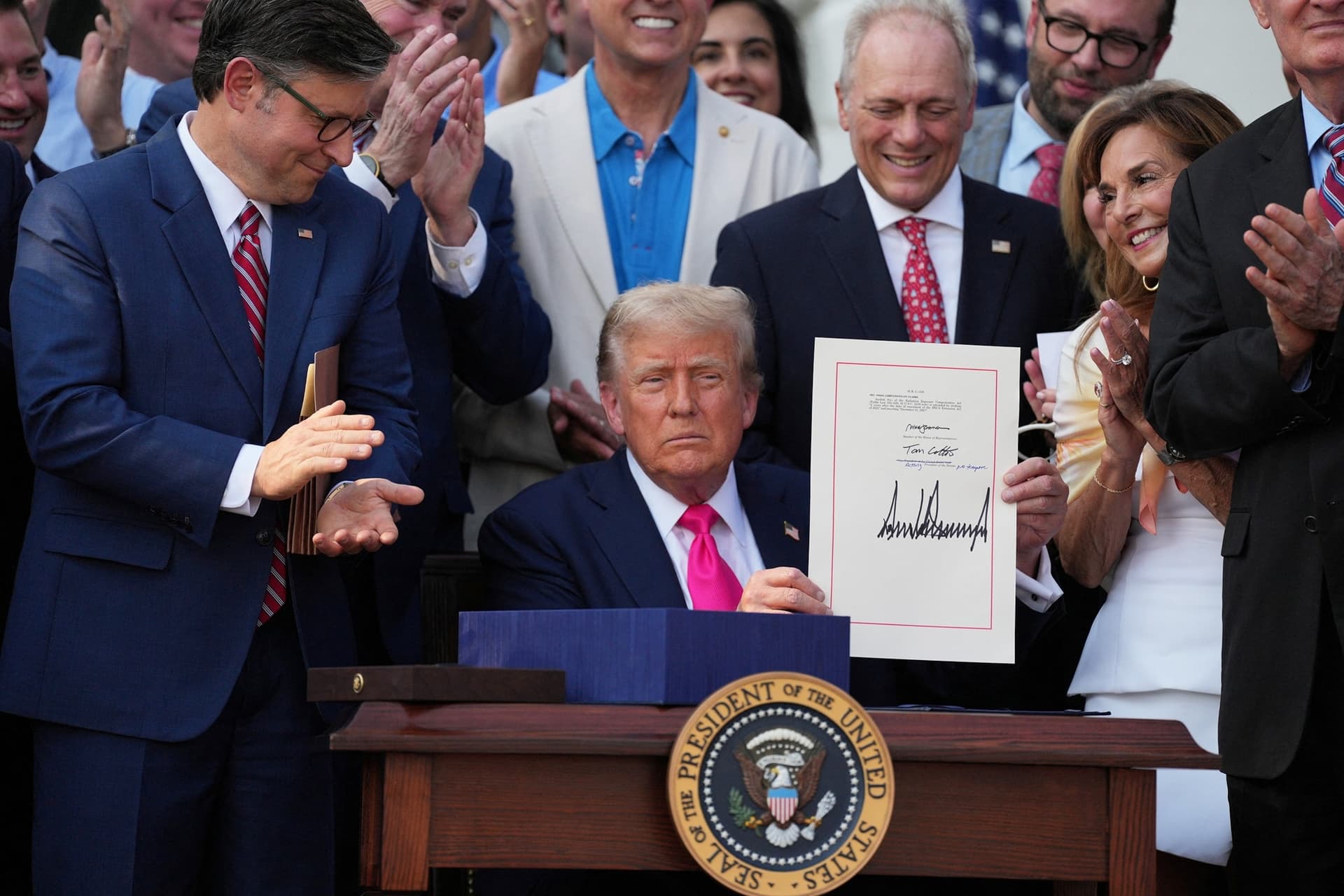
Federal student loan changes from the One Big Beautiful Bill Act took effect July 2, 2026, putting borrowers among the first households to feel the law’s second-year impact. A year after Donald Trump signed the 900-page package on July 4, 2025, the clearest gains have gone to high-income households and owners of pass-through businesses, while low-income families face heavier losses in health coverage, food aid and student aid.
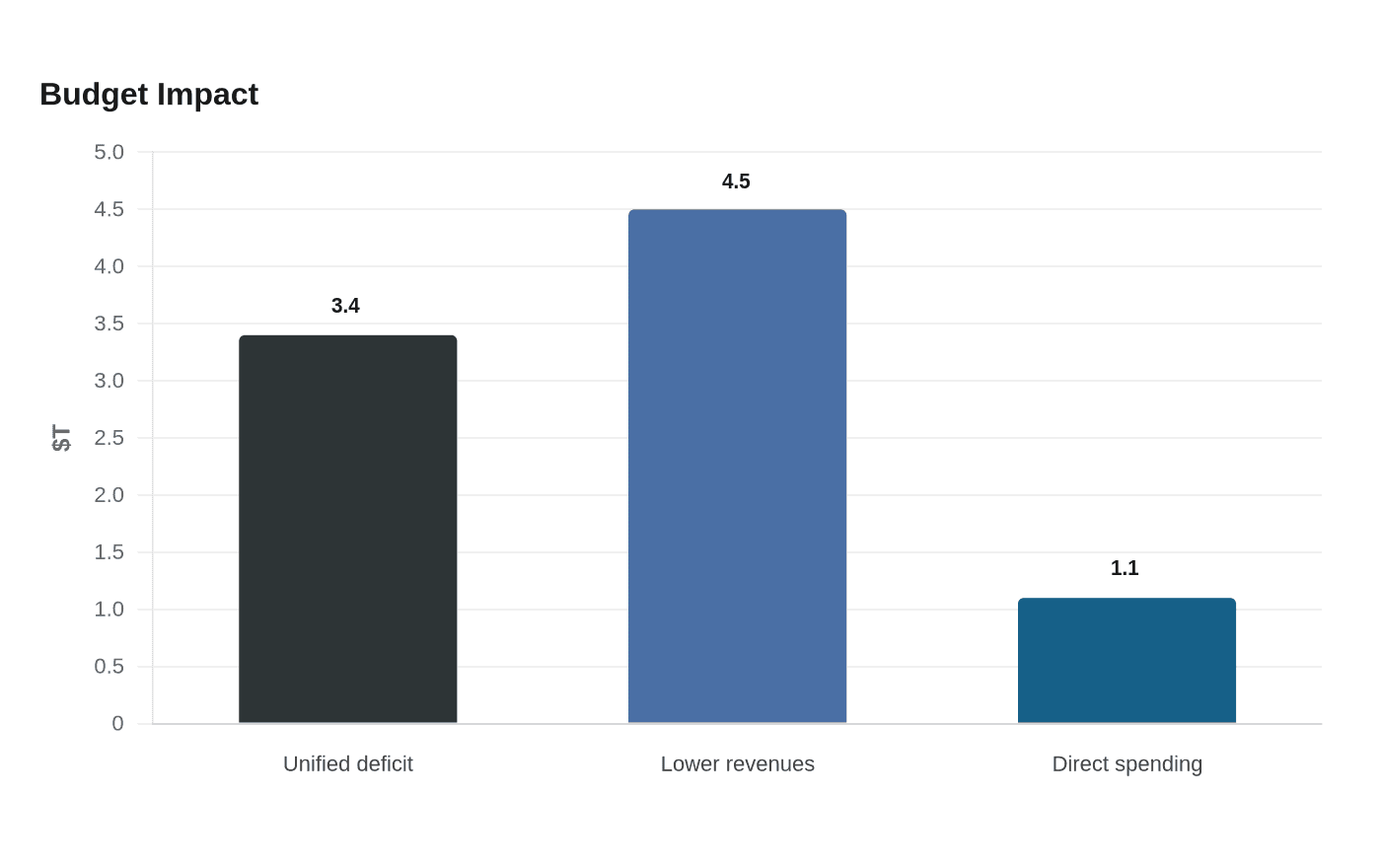
The bill cleared the Senate 51-50 on July 1, 2025, with Vice President JD Vance casting the tie-breaking vote, then passed the House 218-214 two days later without a single Democratic vote. The Congressional Budget Office estimates Public Law 119-21 will raise unified deficits by $3.4 trillion over fiscal years 2025-2034, driven by about $4.5 trillion in lower revenues and $1.1 trillion in reduced direct spending. The Budget Lab at Yale has said the long-run effects will depend partly on delayed spending cuts and later-year implementation, but the fiscal drag is already visible in Washington’s budget outlook.

For households, the law’s distribution is sharply tilted. CBO’s analysis found the bottom two income deciles would see a net reduction in resources, while Yale estimated the bottom 20% of households could lose about 2.9% of income, or roughly $700 a year. The extension and permanence of many 2017 Tax Cuts and Jobs Act provisions, along with new tax breaks, delivered the most obvious relief to upper-income households and business owners, especially those with pass-through income and corporate profits.
The largest losses are landing in safety-net programs. The law cut more than $1 trillion from Medicaid and SNAP over time and expanded Medicaid work requirements to some parents of children over age 13. KFF estimates the number of uninsured people will rise by 10 million in 2034, with more than half of that increase tied to the Medicaid work rules. The Center on Budget and Policy Priorities puts 9.9 million to 14.9 million people at risk of losing Medicaid coverage in 2034 because of those requirements. KFF says the work rules begin in January 2027, and federal rules released in June 2026 have already complicated state efforts to build eligibility systems.
Student loan borrowers are seeing the fastest administrative changes. The Education Department published a final rule on May 1, 2026, for most loan-related provisions, after some federal aid changes took effect immediately and others were phased in through 2026 and beyond. State-finance groups and health and housing advocates warn that the law is also pushing new administrative costs and budget pressure onto states, clinics and local programs that serve low-income families.
By the second summer after enactment, the law’s footprint is clear: borrowers are adjusting to new loan rules, states are building Medicaid screens for 2027, and CBO says the federal ledger is $3.4 trillion deeper in the red.
This article was produced by Prism’s automated news system from verified source data, official records, and press releases, then run through automated quality and moderation checks before publishing. The system is built and supervised by the people who set the standards it runs under. Read our full AI policy.
Did this article answer your question?