Democrats lead in new poll, but coalition remains deeply divided
Democrats led 50-39 in the new poll, but their voters split on health care, immigration, crime and Israel, exposing a coalition with real power and real fractures.
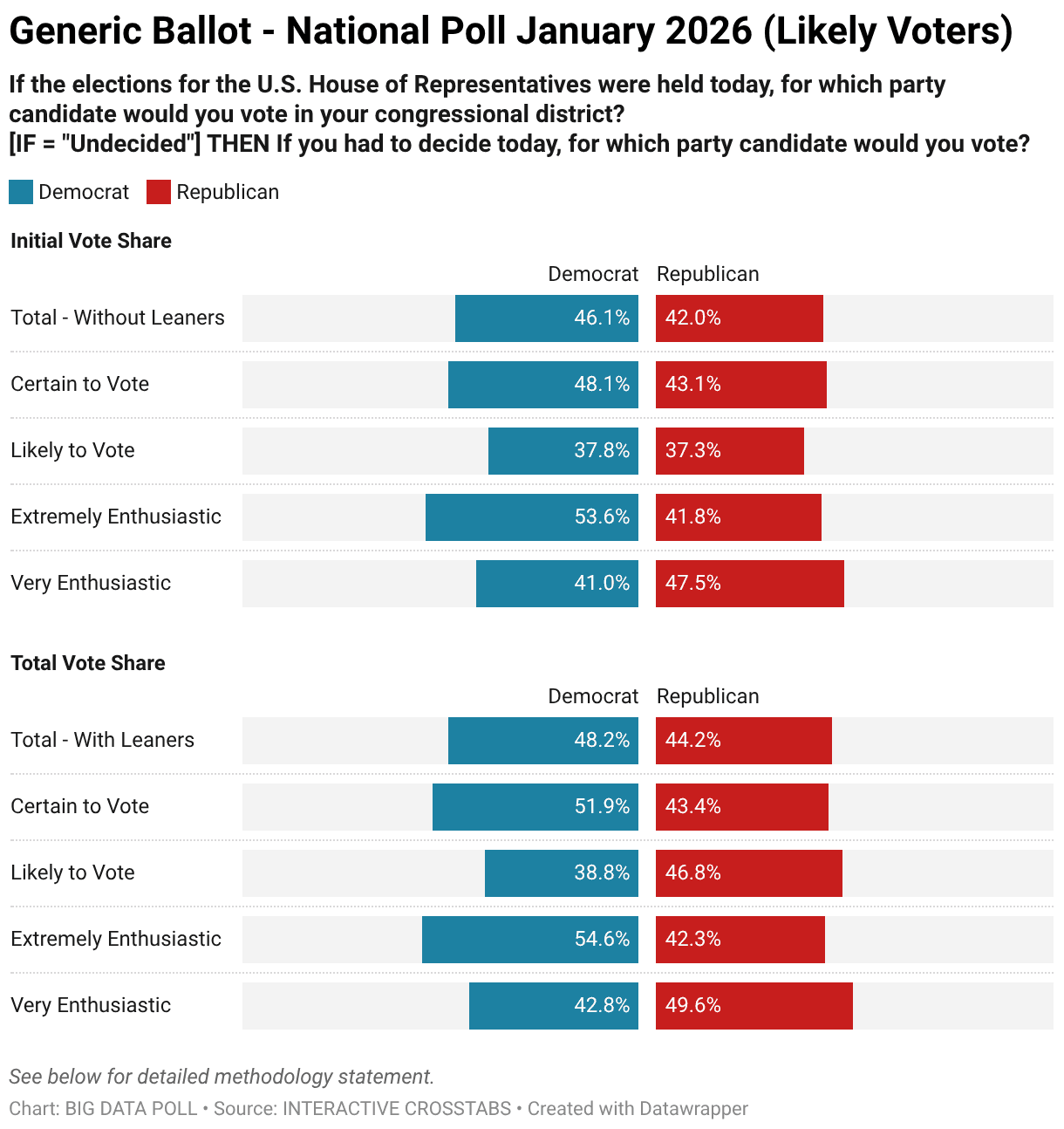
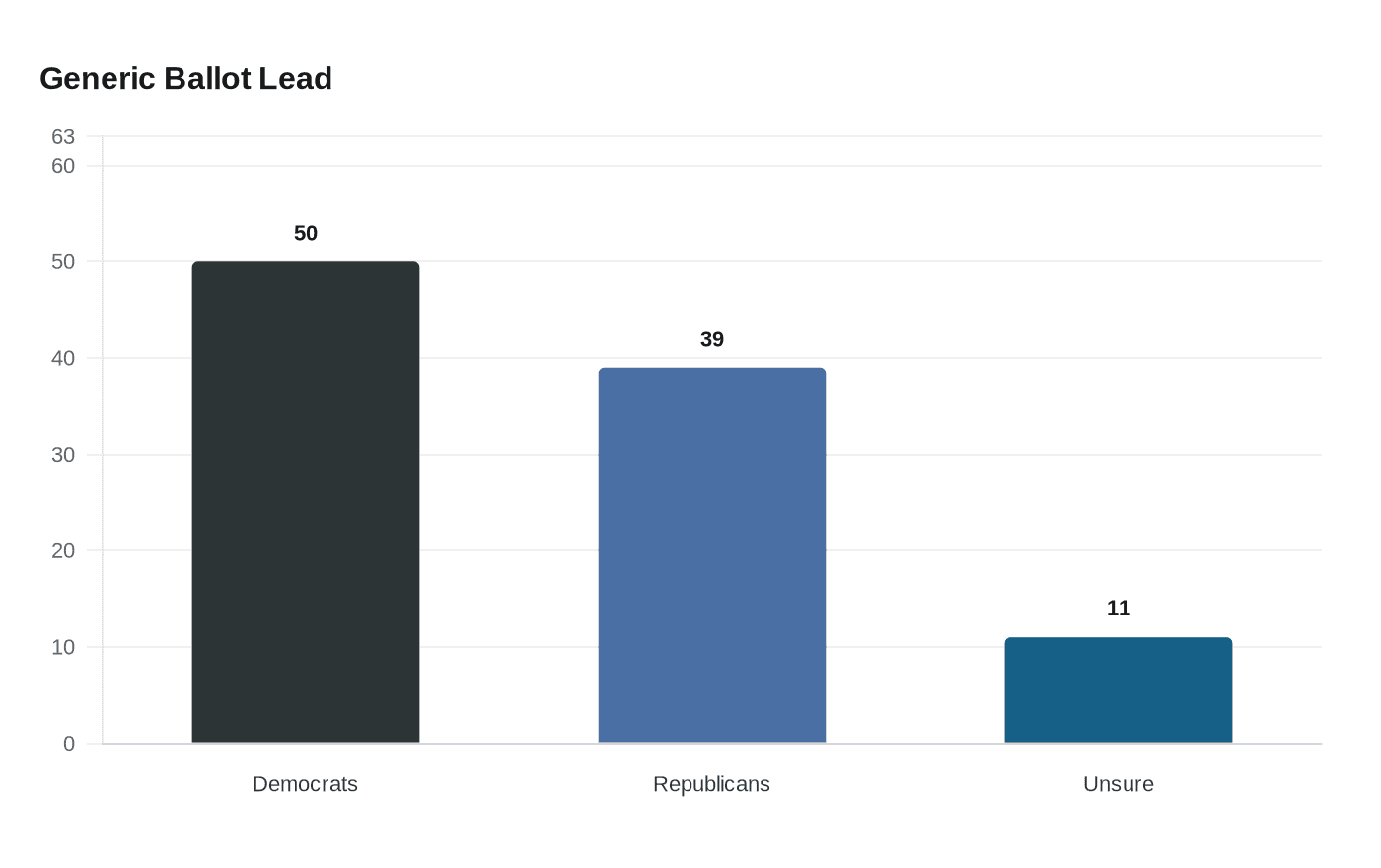
Democrats went into the 2026 midterm cycle with a clear numbers advantage, but the New York Times-Siena poll showed a party whose voters are far from aligned on what comes next. Among 1,507 registered voters surveyed from May 11 to 15, Democrats held a 50 percent to 39 percent lead on the generic congressional ballot, with 11 percent unsure. That edge gave the party a favorable opening, yet the same polling made clear that the coalition behind it was strained by internal disagreement.
Donald Trump’s standing helped explain part of the picture. His approval rating in the poll was 37 percent, and majorities of respondents said they disapproved of his handling of the economy, cost of living, Iran war and immigration. For Democrats, that created a broad anti-Trump environment without resolving what kind of party they wanted to be. The Times described Democratic voters as combative and anti-establishment, unhappy with their party and divided over its best path forward.
That split mattered most where Democrats still had room to build a governing message. On health care, more Democratic supporters wanted the party to move left, suggesting an appetite for bigger promises and a more aggressive argument about coverage, access and costs. That is the issue where the party appears to have its most usable internal consensus: voters want expansion, not retreat.
On immigration and crime, the center held more appeal. The poll found that more Democratic supporters wanted the party to move toward the center on both issues, with 50 percent favoring a move to the center on crime and 46 percent on immigration. That suggests a different kind of consensus, one rooted less in ideological ambition than in political caution, especially as Democrats try to hold suburban voters and working-class moderates while still mobilizing their base.
The sharpest fracture ran through foreign policy. Nearly three-quarters of Democratic voters opposed U.S. military aid to Israel, underscoring how the Gaza war has accelerated a dramatic decline in support for Israel among American voters. That shift is not just a polling artifact; it signals a deeper reordering inside the party, where younger voters, activists and many progressive Democrats are pulling in a more openly critical direction. The result is a coalition that can lead in a midterm poll, but may struggle to agree on a durable message for 2028.
Know something we missed? Have a correction or additional information?
Submit a Tip