Democrats Push to Rewrite California Primary Rules Ahead of Governor’s Race
Democrats are racing to alter California’s top-two primary as a crowded ballot threatens to put two Republicans in the governor’s runoff.
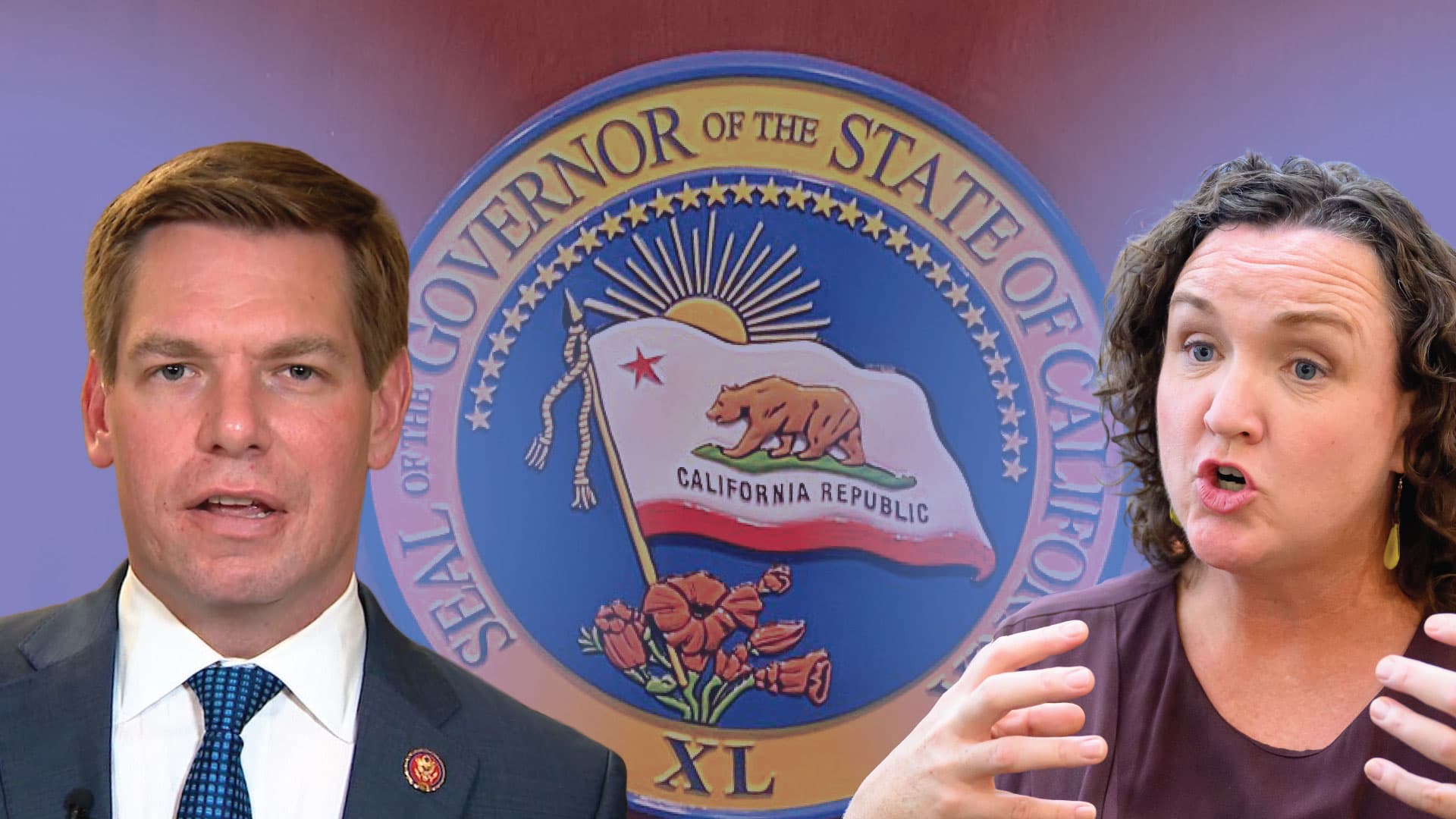
California Democrats are moving to rewrite the state’s primary rules as the June 2 governor’s race threatens a result the party has not faced in years, an all-Republican runoff that would leave Democrats without a candidate in the general election. More than 50 names are expected on the ballot, including eight established Democrats and two leading Republicans, and the math has turned the top-two system itself into the central fight.
The concern is rooted in the structure of Proposition 14, the 2010 reform approved by voters that took effect on January 1, 2011. Under California’s top-two system, all candidates for voter-nominated offices appear on one ballot and only the two highest vote-getters advance, regardless of party preference. The change does not apply to president, county central committees, or local offices, which makes the governor’s race one of the clearest tests of whether the model still works as intended.

The calendar has sharpened the pressure. County elections officials began mailing ballots on May 4, secure drop-off sites opened May 5, the registration deadline is May 18, and early in-person voting begins May 23 in Voter’s Choice Act counties. Any effort to change the rules now would collide with a primary already underway, underscoring how late-stage procedural changes can become as politically volatile as the race itself.
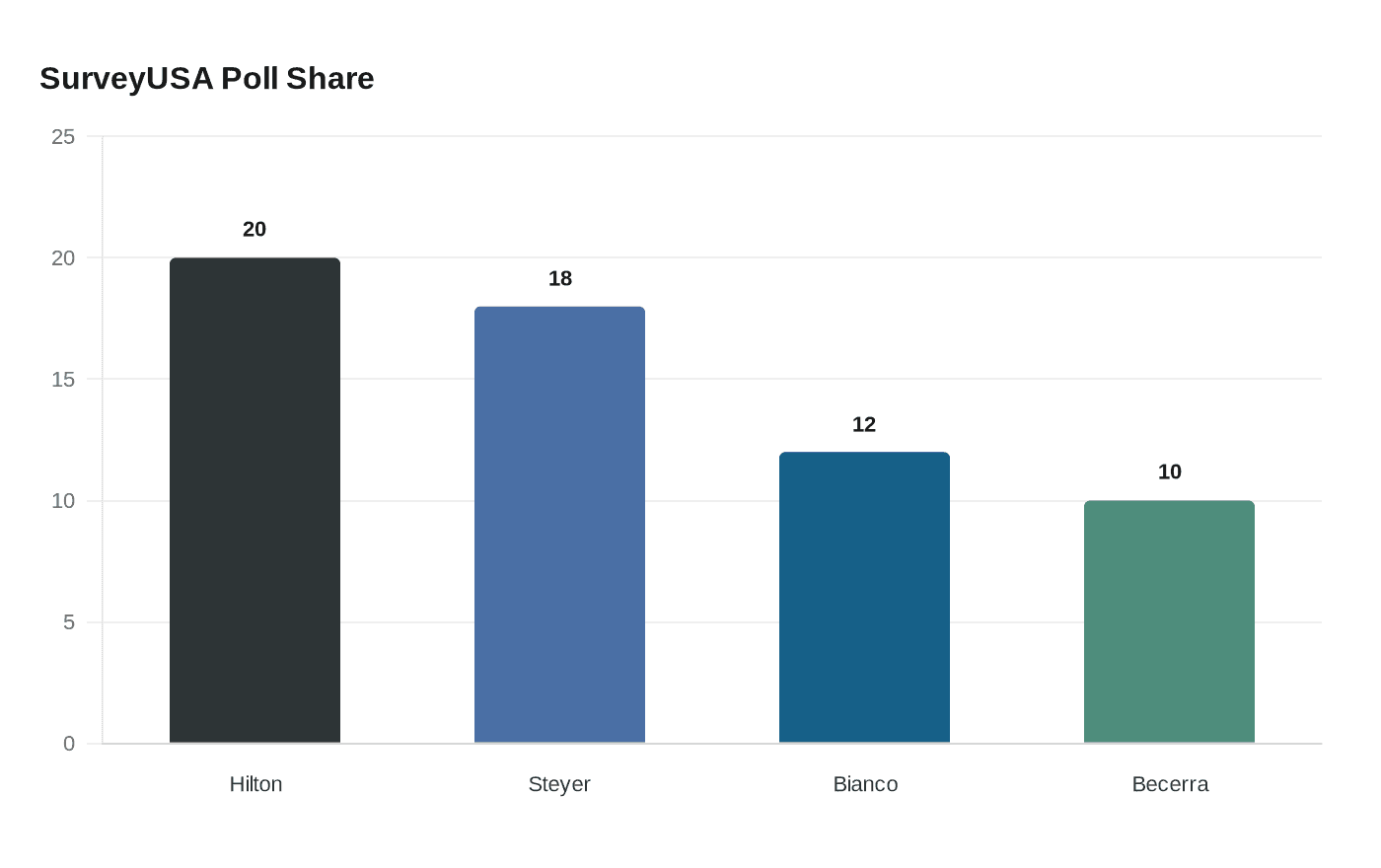
The immediate threat comes from vote splitting inside the Democratic field. A recent SurveyUSA poll showed Steve Hilton at 20 percent, Tom Steyer at 18 percent, Chad Bianco at 12 percent and Xavier Becerra at 10 percent, a spread that suggests no candidate has yet locked down a commanding share of the electorate. In a crowded contest, that kind of fragmentation can matter more than raw party registration, especially when all candidates compete on the same ballot.
California has seen the mechanics before. In the 2022 gubernatorial primary, Gavin Newsom and Brian Dahle advanced, with Newsom winning 55.9 percent and Dahle taking 17.7 percent. But the larger pattern in recent top-two governor’s races is more unusual than routine: no two candidates from the same party have advanced in the last three California gubernatorial top-two primaries before 2026.
That history explains why Democrats are treating the top-two system as a rules-of-democracy fight driven by fear, not just a campaign maneuver. If the party is locked out of its own governor’s race, the result will likely fuel demands to change the system. If Democrats succeed in rewriting the rules before the primary, the move will be cast by opponents as a defensive fix designed to prevent exactly that outcome.
This article was produced by Prism’s automated news system from verified source data, official records, and press releases, then run through automated quality and moderation checks before publishing. The system is built and supervised by the people who set the standards it runs under. Read our full AI policy.
Did this article answer your question?

