Disciplinary actions against registered shelters more than triple in 2025
State records show disciplinary actions against registered animal shelters tripled in 2025, including cases in Wake County; this raises staffing, training and funding questions for local shelters.

State Department of Agriculture and Consumer Services records show disciplinary actions against registered animal shelters in North Carolina rose sharply in 2025, jumping from seven actions in 2024 to 22 last year. Some facilities faced multiple actions within the same year, and Wake County was among the jurisdictions with at least one shelter disciplined.
The state data identify the most frequent inspection failures as lack of veterinary care and lack of continuous access to water. Disciplinary outcomes range from corrective notices to fines. Officials say most fine revenue is allocated to local school systems, creating an indirect fiscal link between animal welfare enforcement and county education funding.
State animal welfare officials attribute much of the increase to workforce and resource challenges in the shelter system. Dr. Patricia Norris, the state's animal welfare director, described the pattern succinctly: "Lack of resources, lack of knowledge." She added, "It is not lack of motivation, it is not lack of compassion. I want to be very clear about that."
Norris said staffing turnover and a wave of new employees have left many shelters operating with less experienced teams. To address those gaps, she said the department is expanding training options: "So we are continuing and expanding our program on offering training," and emphasized that training is available at no cost: "Free training to any shelter, any county that asks for it, so that we can train the new people."
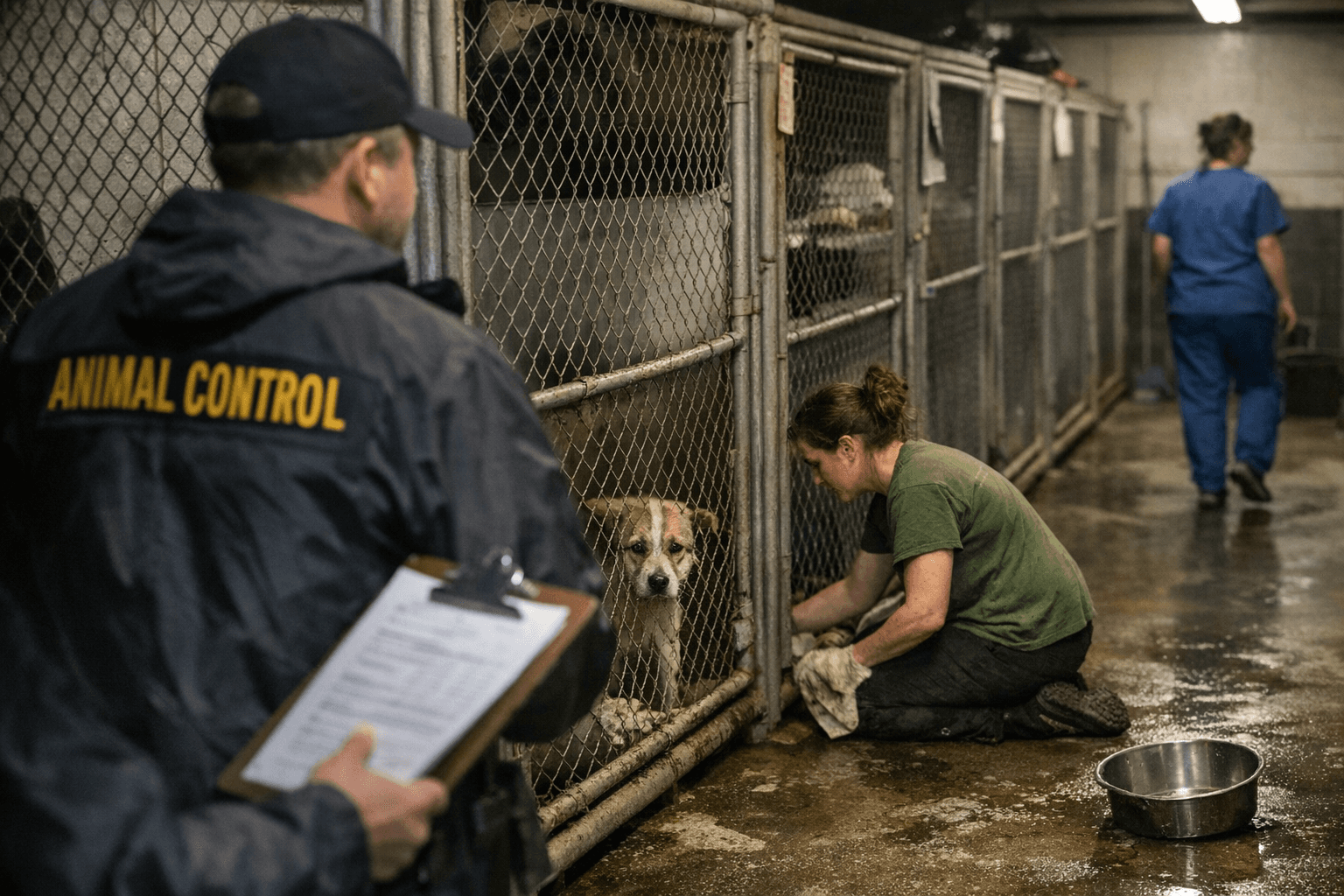
Counties with shelters disciplined in 2025 include Wake, Halifax, Washington, Wilson, Forsyth, Duplin, Hertford and Nash. For Wake County residents and local animal service volunteers, the disciplinary uptick has immediate implications. Inspections citing inadequate veterinary care can delay adoptions and lengthen shelter stays, pressuring kennel capacity and operational budgets. Failures related to water and basic care raise public health and animal welfare concerns that affect neighborhood safety, volunteer engagement and donor confidence.
The trend also carries policy implications for county leaders and voters. County commissioners set budgets that determine staffing levels, veterinary contracts and facility upgrades. With enforcement activity rising, commissioners may face pressure to re-evaluate funding priorities, contract oversight and emergency support for shelters facing corrective actions.
Residents looking to influence outcomes can monitor inspection records, attend county budget hearings and ask elected officials about plans to support animal services and training. As enforcement continues, the coming months will show whether expanded training and targeted funding can reverse the spike in disciplinary actions and restore community trust in local shelter operations.
Sources:
Know something we missed? Have a correction or additional information?
Submit a Tip