DIY Buyer's Guide to Spotting a Thorough Marine Survey
Learn how to tell a thorough marine survey from a cursory inspection and how to use findings to negotiate, demand repairs, or walk away.
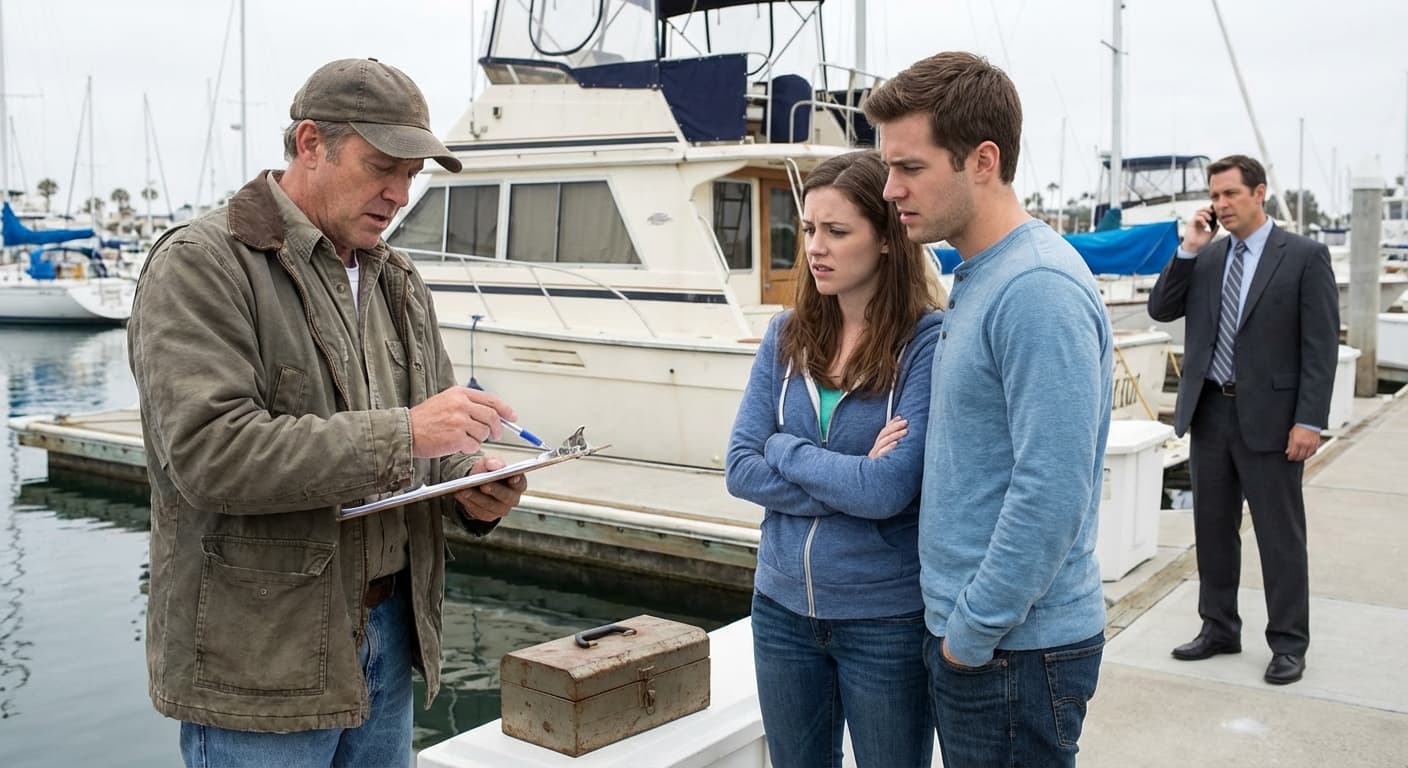
A marine survey is the buyer’s best tool for avoiding trouble below decks and below the waterline. This guide breaks down what a proper survey looks like, what to expect at sea and on the hard, and exactly how to use the report to protect your wallet and your boat-buying sanity.
1. Credentials and insurance
A trustworthy surveyor will carry accreditation from a recognized body such as SAMS or NAMS (or an equivalent regional organization) and be able to show you membership credentials on request. Ask for proof of professional liability insurance; that protects you if the survey misses a major issue. Check how long they’ve been doing surveys on your type of boat — experience with sailing yachts differs from trawlers or high-performance craft — and confirm any manufacturer-specific training if the boat has complex systems.
2. Tools, time and method
A proper surveyor brings tools and the patience to use them: moisture meters, thermal imaging, diagnostic tools and meters to check electrical and fuel systems. Surface-only walkarounds are a red flag; a good survey takes time, often several hours on the water and longer once the boat is hauled. Expect the surveyor to open lockers, test head pressure, probe accessible laminate transitions with a moisture meter, and use thermal imaging for electrical hot spots or water intrusion; shortcuts here hide costly problems. • Tip: if the surveyor declines to use a moisture meter or thermal camera, pause and ask why.
3. Sea trials and haul-outs
Engine performance, steering behavior, vibration and cooling issues show up when the boat is under load; below-waterline problems often only reveal themselves when the boat is hauled. Insist on a sea trial to check engine temperatures, exhaust color, throttle response, and helm play; take notes on unusual noises, smoke, or steering drift. Request a haul-out or at least a diver/underwater inspection to inspect keel bolts, thru-hulls, propeller condition and blisters; many structural and osmosis problems are invisible afloat. If the seller resists a haul-out, treat that as a negotiation leverage point, not a deal-breaker immediately — but do not accept vague assurances in its place.
4. What a quality report contains
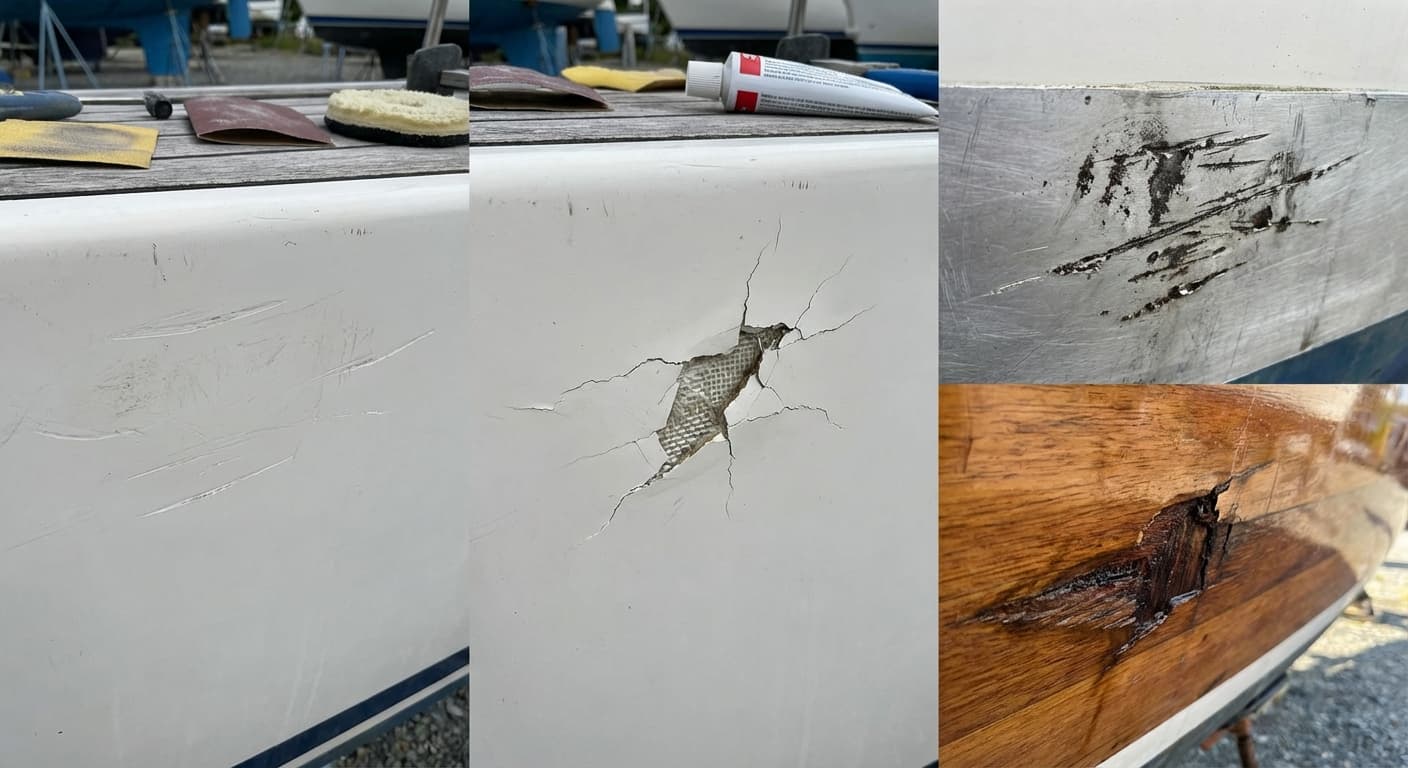
A thorough report includes scope and limiting conditions, prioritized findings, measurements, clear photographs, and repair or replacement estimates where appropriate. Look for quantified data (thicknesses, moisture readings, voltage readings) and photos tied to each finding — vague language such as "appears satisfactory" without evidence is a red flag. Good surveys separate urgent safety issues from maintenance and cosmetic notes, and they’ll suggest timelines and ballpark costs so you can budget and negotiate effectively. If the report reads like a checklist with no photos or no measurements, treat the conclusions with skepticism.
5. Watch for conflicts of interest
Hire the surveyor for you — not one recommended, paid, or steered by the seller or broker — to maintain impartiality. A surveyor with a steady pipeline of business from a single broker or yard can have an unconscious bias that works against your interests. Ask directly about prior work relationships with the seller or listing broker and consider getting a second opinion if anything smells fishy; independence matters more than a friendly recommendation when your deposit is on the line.

6. Using the survey as leverage
A documented survey is powerful negotiation ammunition: it can justify a price reduction, demand repairs before closing, or provide a clean exit if the findings reveal unacceptable risk. Use prioritized findings to frame requests — urgent safety items first, then structural or mechanical costs — and ask for written estimates from local yards to back up your negotiation. If the seller refuses reasonable concessions and the survey flags major issues, be prepared to walk away; the alternative is inheriting surprise repair bills that far exceed any short-term saving.
7. Common red flags and what they mean
Watch for a surveyor who rushes, refuses to show tools or readings, delivers a report with no photos, or uses noncommittal phrasing for critical systems. Beware of a report that defers too many items to "recommended further inspection" without specifics — that’s often a way to dodge responsibility. If the surveyor won’t be present for the sea trial or haul-out, or if the report arrives late and unbound with little documentation, treat these as serious weaknesses.
8. Preparing for the survey and follow-up actions
Prepare maintenance records, warranties and receipts ahead of time to speed the survey and give context to recurring repairs or upgrades. Be present during the survey if you can — watching the process teaches you about systems and gives you the chance to ask targeted questions on the spot. After you get the report, get at least one independent repair estimate for major items and prioritize fixes into immediate safety, short-term maintenance, and long-term upgrades; use community forums and local yards for realistic pricing and timelines.
Final thought A survey should give you clarity, not jargon. Treat the process like a pre-purchase sea trial for your decision-making: verify credentials, insist on tools and testing, demand evidence in the report, and use the findings to negotiate sensibly. With the right surveyor and a clear plan, you’ll avoid nasty surprises and sail away with confidence.
Sources:
Know something we missed? Have a correction or additional information?
Submit a Tip