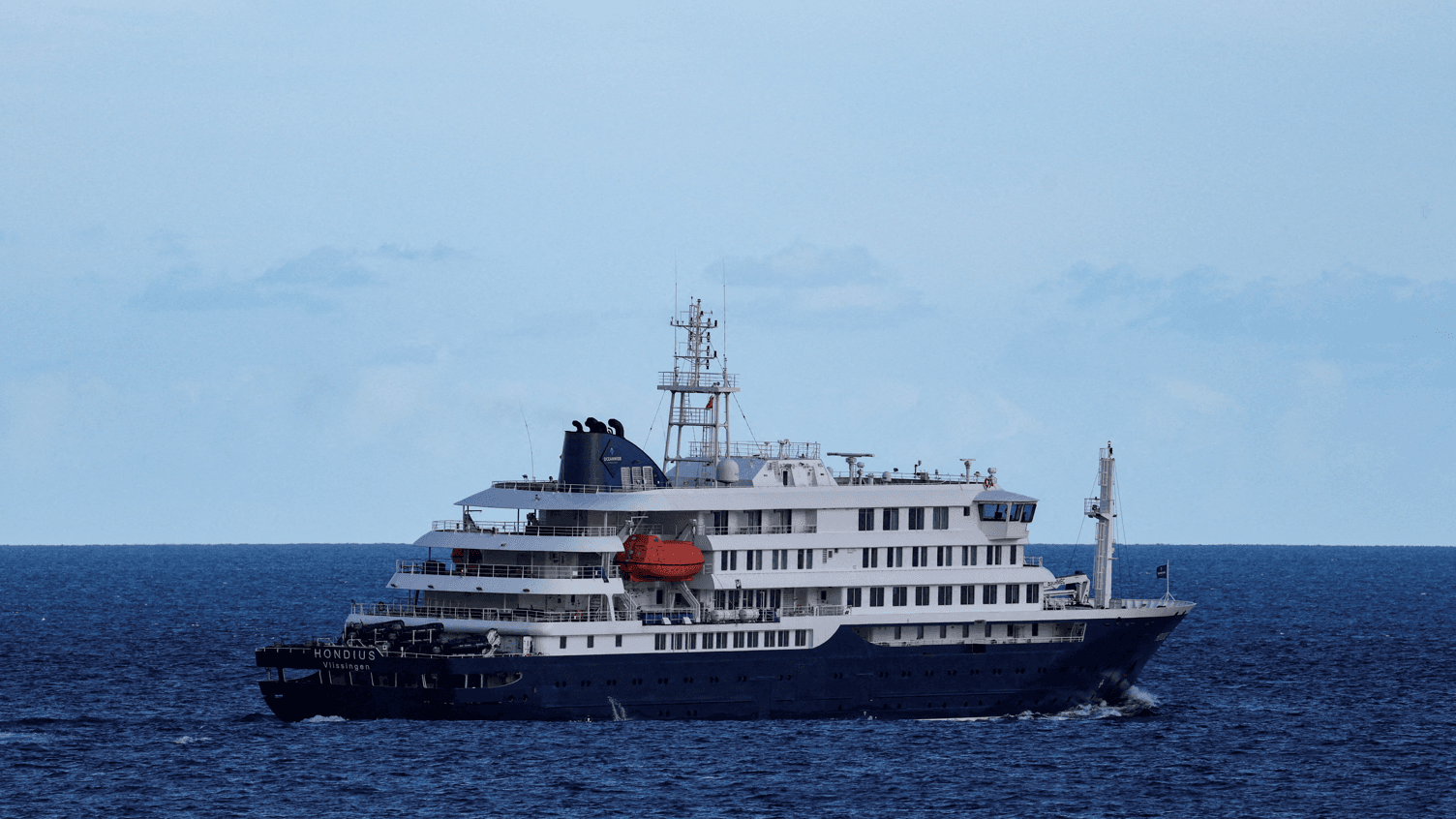
Doctor leaves isolation after hantavirus scare on cruise ship
A Pacific Northwest doctor tested negative and left isolation after the MV Hondius hantavirus scare. Health officials still say the cruise-linked risk to the public remains extremely low.
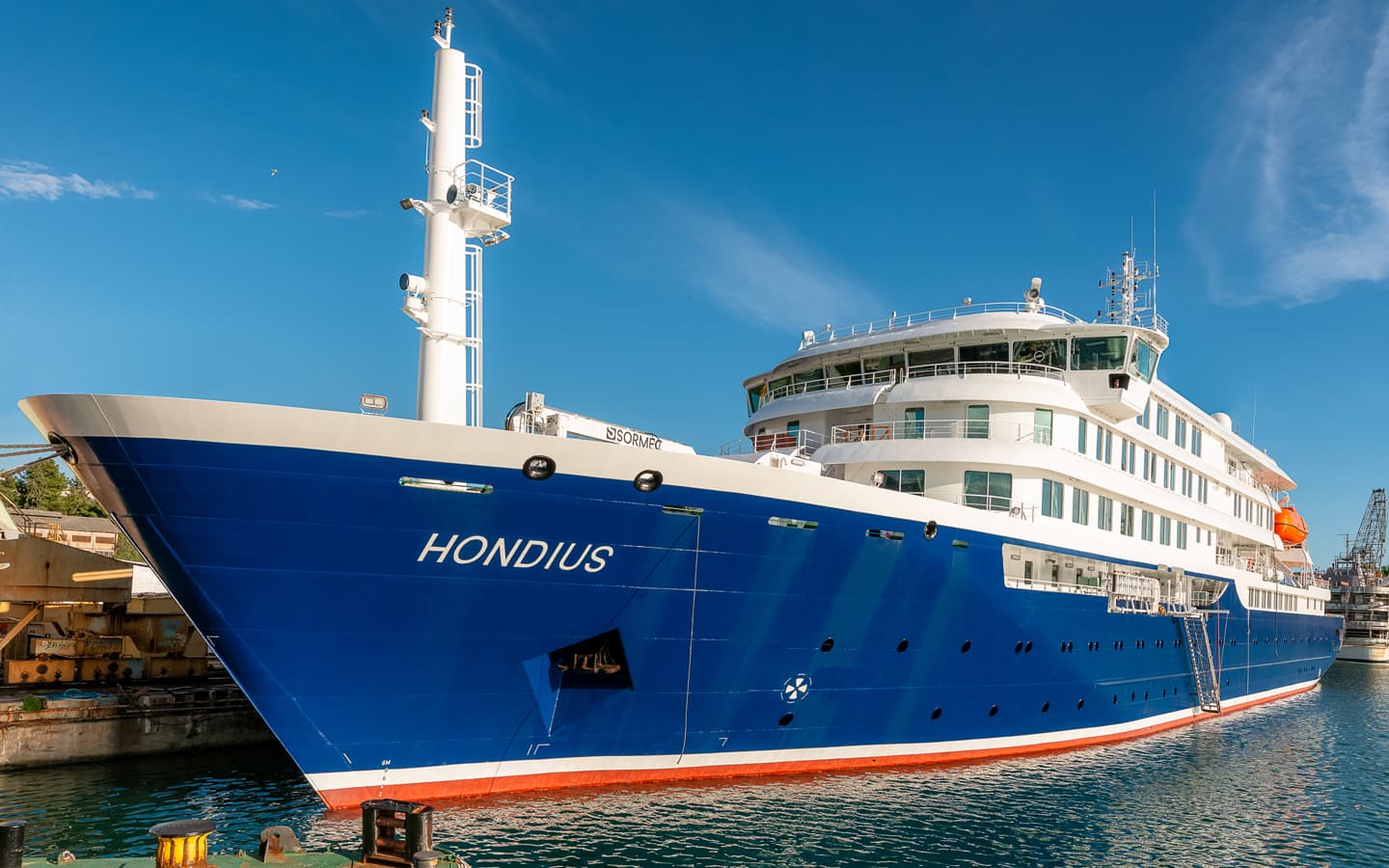
A Pacific Northwest doctor who had been isolated after the MV Hondius hantavirus scare tested negative and left the special unit, a reassuring turn in a case that still points to how quickly a rare infection can move through a closed cruise environment.
The Centers for Disease Control and Prevention said it began responding after the outbreak was reported on May 2, 2026, and stressed that the risk to the American public remains extremely low. The agency identified the virus as Andes virus, a hantavirus that can cause hantavirus pulmonary syndrome, and said exposed Americans were repatriated to the Nebraska Biocontainment Unit in Omaha and Emory University Hospital in Atlanta for evaluation and monitoring.
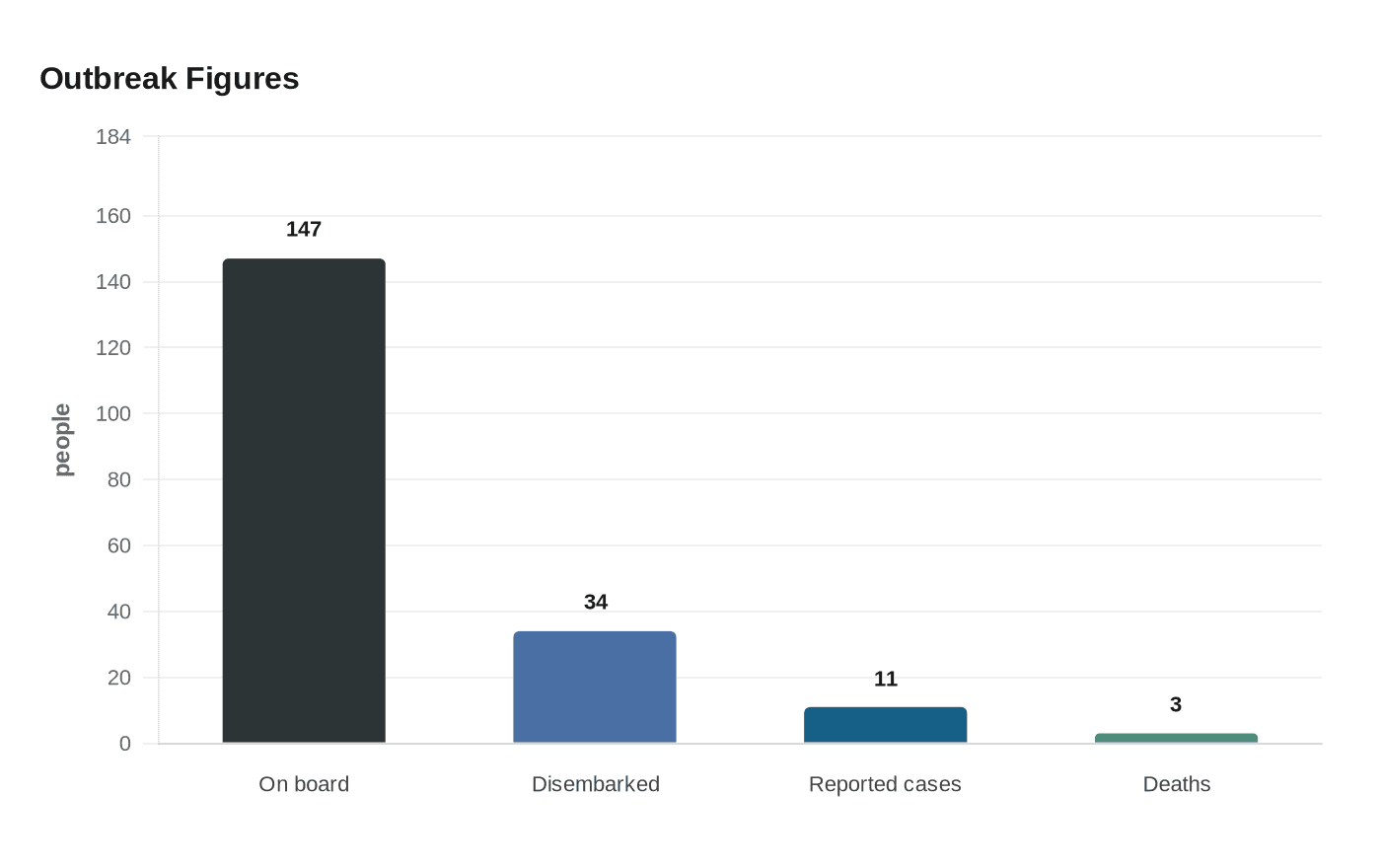
The World Health Organization said the MV Hondius was carrying 147 passengers and crew, with 34 people already having disembarked. As of May 13, 2026, the WHO said 11 cases had been reported overall, including three deaths. Eight cases were laboratory-confirmed Andes virus infections, two were probable and one was inconclusive. Illness onset ranged from April 6 to April 28, and symptoms included fever, gastrointestinal illness, pneumonia, acute respiratory distress syndrome and shock.
The release from isolation does not mean the ship posed no danger. It means the person who had been held in the highest level of precautionary care no longer needed that setting after testing negative. Public health teams are still tracing exposures, reviewing who was on board and who had already left the ship, and checking whether any additional travelers need follow-up. That work matters because cruise outbreaks can cross borders in hours, especially when a ship is moving through international waters and passengers are dispersing to multiple countries.
ABC News identified the onboard physician as Dr. Stephen Kornfeld of Bend, Oregon, who stepped in after the ship’s own doctor fell ill. Kornfeld said the situation escalated within 24 hours after he began helping care for sick passengers. ABC also reported that the ship’s own doctor was among the six people on board who tested positive, and that one passenger with a probable case died onboard. Later reporting said 18 Americans were ultimately brought back to the United States, with two placed in biocontainment units.
For public health officials, the episode looks less like a broad warning to travelers than an example of why rare, severe infections demand fast isolation, lab testing and cross-border coordination. It also raises a harder question for cruise operators and regulators: whether screening systems on ships can catch a rapidly evolving outbreak soon enough to protect passengers, crew and the communities waiting on shore.
This article was produced by Prism’s automated news system from verified source data, official records, and press releases, then run through automated quality and moderation checks before publishing. The system is built and supervised by the people who set the standards it runs under. Read our full AI policy.
Did this article answer your question?