Negative hantavirus test moves cruise passenger out of isolation in Omaha
A cruise passenger who first tested positive for hantavirus in the Canary Islands was cleared after a second test in Omaha came back negative, easing isolation but not ending monitoring.

A cruise passenger who first tested positive for hantavirus in the Canary Islands was moved out of the Nebraska Biocontainment Unit after a follow-up test in Omaha came back negative. The patient was transferred into the National Quarantine Unit at the University of Nebraska Medical Center, a step officials use when a person still needs observation after exposure to a high-consequence infectious disease.
The move reflects how public health authorities balance caution with new test results. An initial positive test can trigger strict biocontainment because it signals a possible active infection and a need to prevent any chance of spread during transport and evaluation. A negative result later in Omaha lowered that concern, but it did not automatically send the passenger home. Instead, the person remained under monitored care in the federally funded quarantine unit while clinicians and public health officials continued to assess the risk.
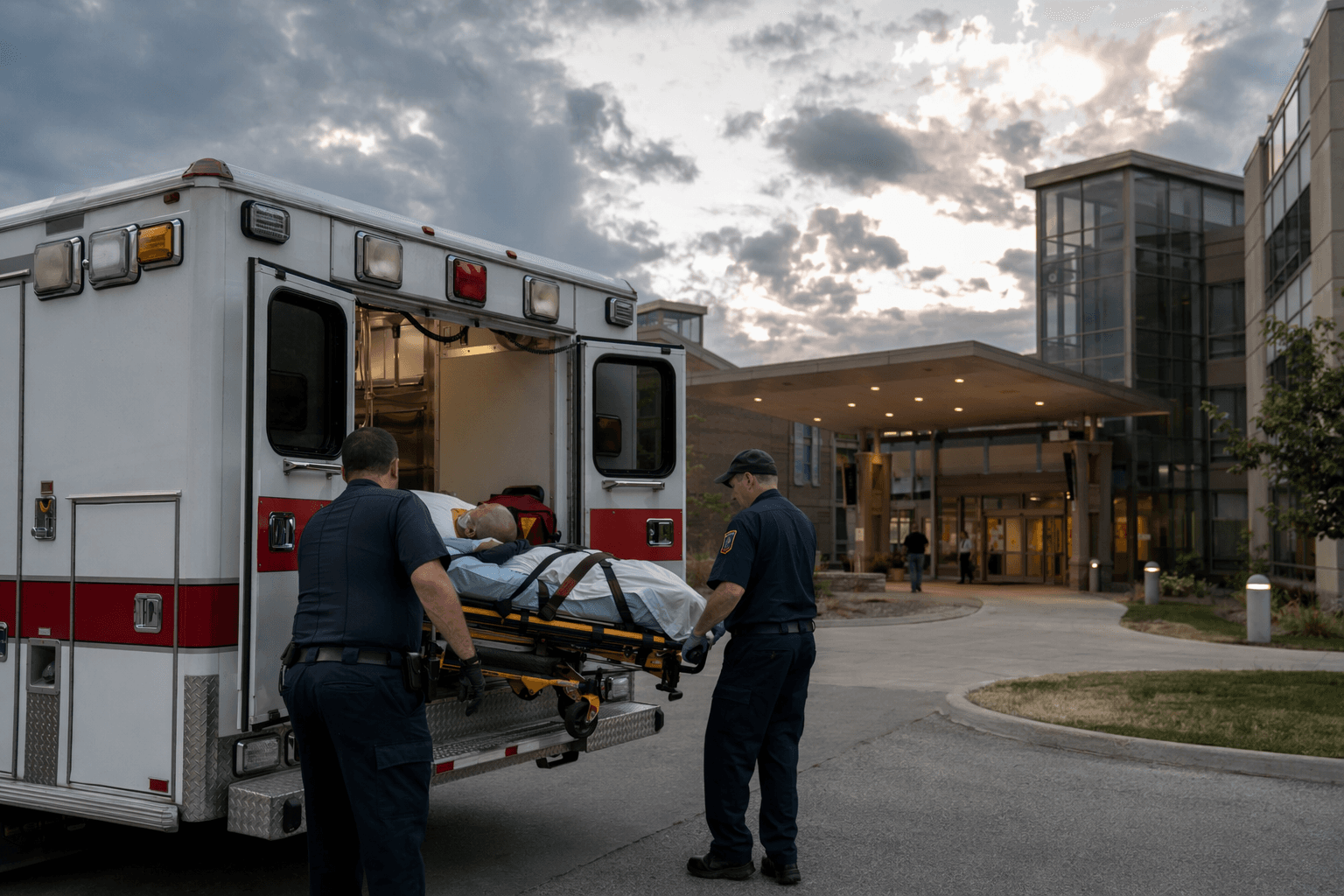
University of Nebraska Medical Center officials said the passenger was not showing symptoms when transferred. That detail mattered because the broader public health concern centered on a cruise-ship cluster involving Americans flown from Spain’s Canary Islands to Nebraska on a CDC-chartered aircraft equipped for biocontainment. The group included passengers sent for evaluation after the outbreak on board, with most of the Americans placed in specialized facilities at UNMC.
The Omaha medical center has become a national holding point for rare infectious-disease cases. The Nebraska Biocontainment Unit has housed Americans evacuated during the early COVID-19 outbreak and cared for a patient exposed to Ebola. The National Quarantine Unit, also at UNMC, is the only federally funded quarantine unit in the United States designed to safely house and observe people exposed to dangerous infections.
Public health officials have said the risk of major human-to-human spread from the Andes strain of hantavirus is low, which has helped shape the response. Even so, the case moved through a layered system: positive test, isolation in biocontainment, repeat testing, then transfer to quarantine once the new result came back negative. For health authorities, that sequence is the point of the protocol, separating confirmed danger from precaution while keeping watch on anyone who may still need medical observation.
Know something we missed? Have a correction or additional information?
Submit a Tip