Doctors Warn Against Social Media’s Growing Supplement Stacking Trend
Social media is normalizing daily supplement stacks for energy, strength and hair growth, but doctors warn the risks can include drug interactions, hidden ingredients and liver injury.
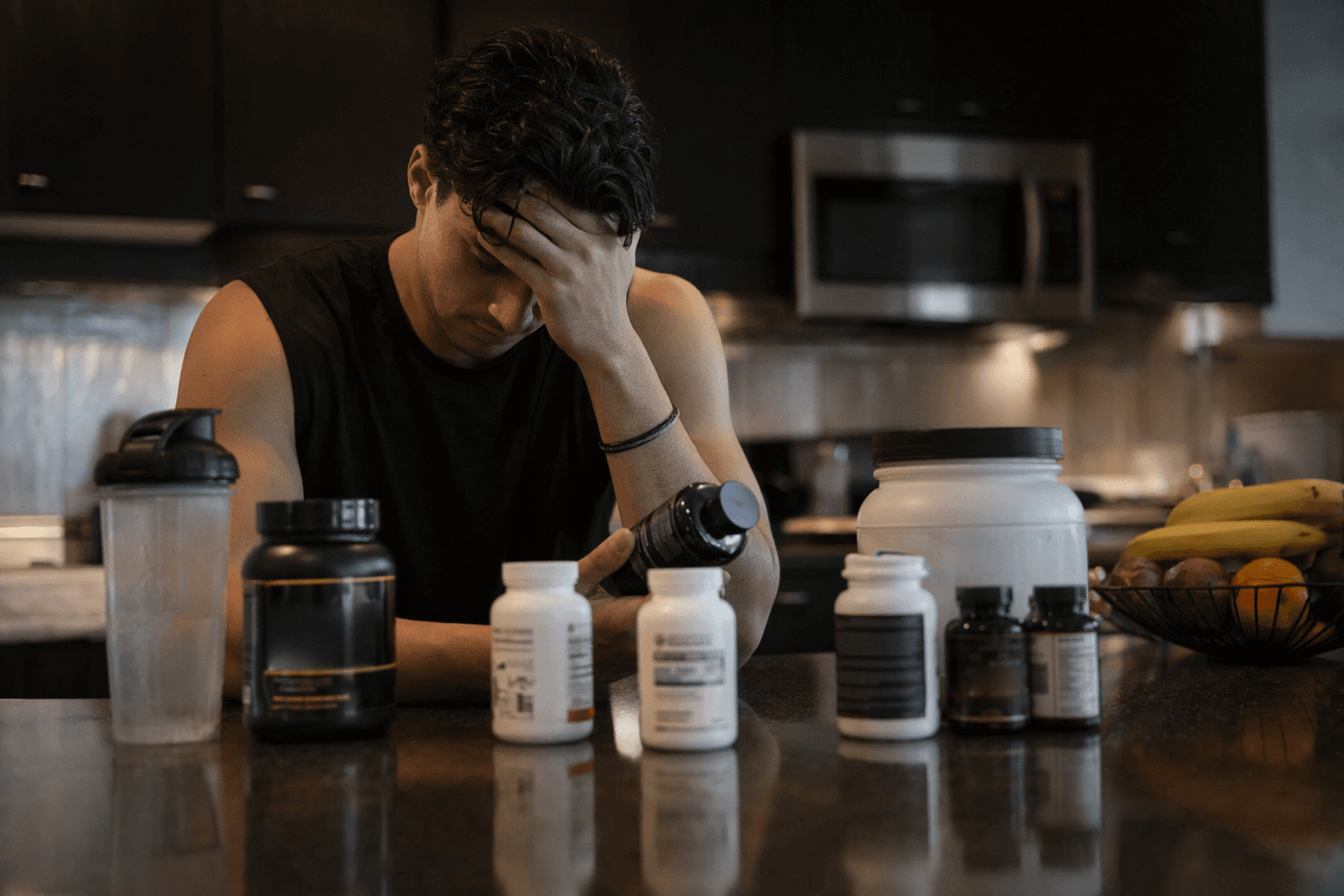
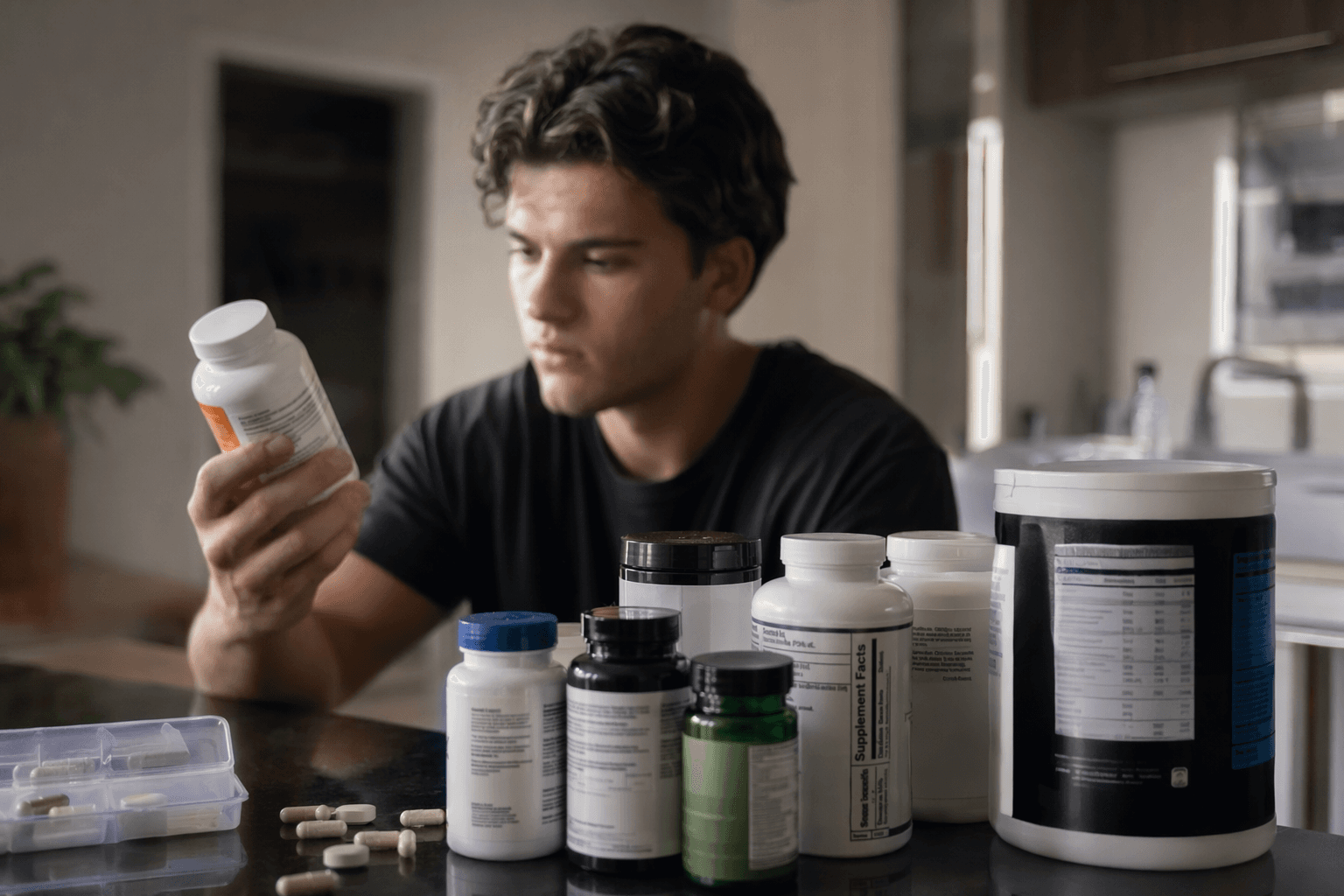
A growing social media habit is turning wellness into a daily pileup of pills and powders, with people stacking supplements for strength, energy and even hair growth while evidence and safety lag behind the hype.
Dr. Rachel Pessah-Pollack, an endocrinologist at NYU Langone Health who specializes in thyroid and bone health, was listed by CBS News on the CBS Mornings guest lineup for Monday, May 11, 2026. Her appearance comes as the supplement boom keeps expanding far beyond a niche corner of fitness culture.
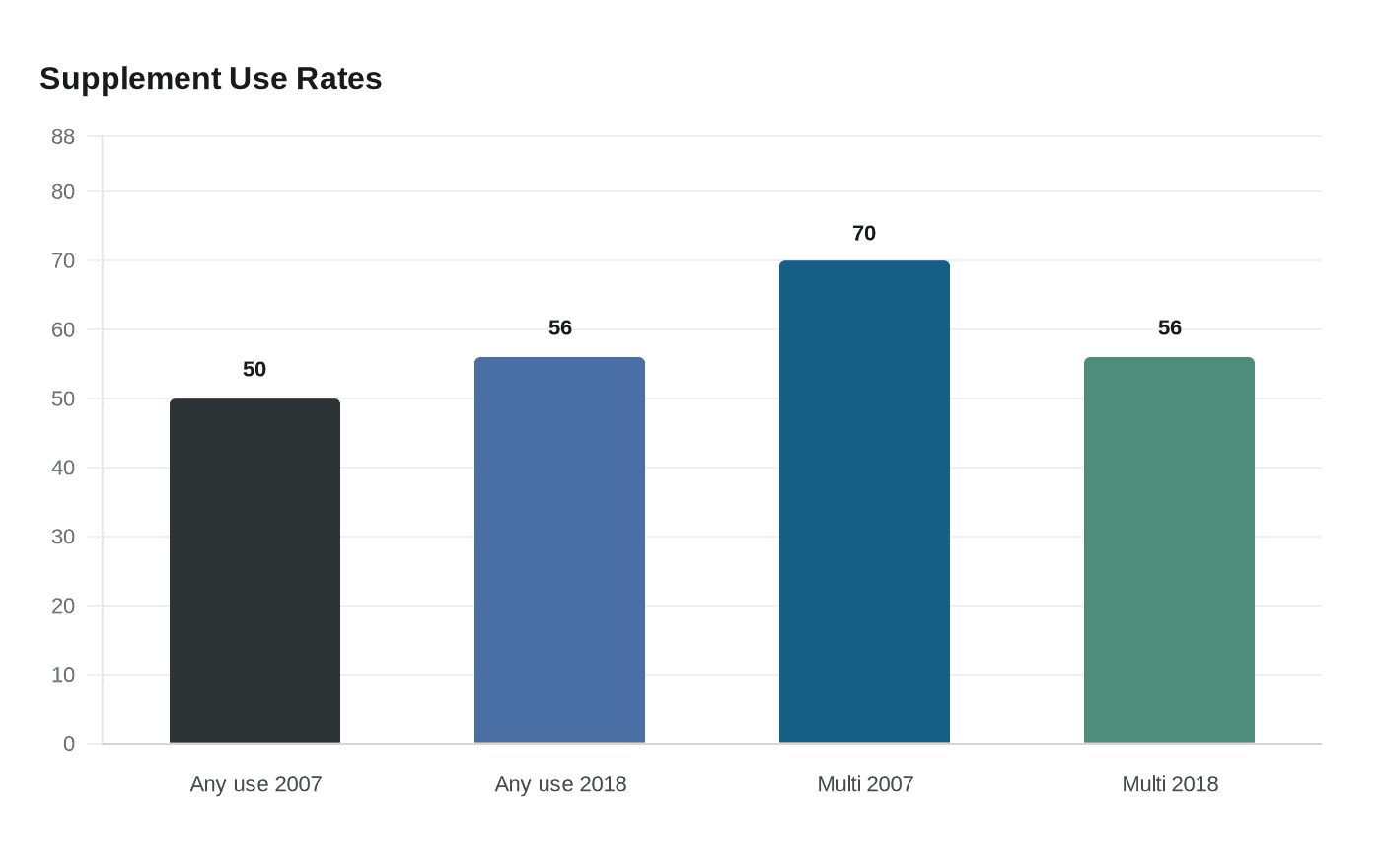
The scale of that shift is already visible in national health data. An analysis of National Health and Nutrition Examination Survey information found that any dietary supplement use in the United States rose from 50% in 2007 to 56% in 2018 among people age 1 and older. Over the same period, multivitamin-mineral use fell from 70% to 56%, while single-nutrient products increased, a sign that consumers are moving away from one daily bottle and toward customized stacks built around a specific goal.
Federal health agencies say the danger is not only excess, but uncertainty. The National Center for Complementary and Integrative Health says the amount of scientific evidence on dietary supplements varies widely, with abundant information on some products and very little on others. It also warns that supplements may interact with medications, may pose risks for people with certain medical conditions or before surgery, and may not contain exactly what is listed on the label.
The Food and Drug Administration says dietary supplements are regulated under a different set of rules than conventional foods and drugs. Manufacturers and distributors are responsible for evaluating safety and labeling before marketing, and the agency is not authorized to review supplements for safety and effectiveness before they reach consumers. To help people sort through the market, the FDA launched a Dietary Supplement Ingredient Directory in 2023 and updated it on February 21, 2024, adding categories for FDA actions, recording when ingredients were added and streamlining the page.
The real-world risk becomes clearer in research on botanicals linked to liver injury. A 2024 JAMA Network Open study identified turmeric or curcumin, green tea extract, Garcinia cambogia, black cohosh, red yeast rice and ashwagandha among the most frequently reported hepatotoxic supplements, drawing on a national survey study of adult NHANES participants enrolled between January 2017 and March 2020. That is where stacking crosses the line from routine to risky: when ingredients overlap, when medicines are in the mix, when surgery is coming up, when labels cannot be trusted and when the stack includes products tied to liver harm. At that point, the cost is not just wasted money; it is a preventable health gamble.
This article was produced by Prism’s automated news system from verified source data, official records, and press releases, then run through automated quality and moderation checks before publishing. The system is built and supervised by the people who set the standards it runs under. Read our full AI policy.
Did this article answer your question?