Nebraska to monitor asymptomatic hantavirus patient from cruise outbreak
One cruise passenger with no symptoms tested positive for hantavirus and was moved to Nebraska’s biocontainment unit as 16 others entered quarantine monitoring.

One American cruise passenger who tested positive for hantavirus was admitted to the Nebraska Biocontainment Unit in Omaha even though the patient had no symptoms, a step health officials said was meant for close monitoring and follow-up testing rather than to signal a broad public emergency.
The patient was among 17 U.S. passengers evacuated from the Dutch-flagged MV Hondius and flown back to Nebraska on a State Department-arranged repatriation flight. The rest of the group was taken to the National Quarantine Unit at the Davis Global Center on the University of Nebraska Medical Center campus, where officials said they would be assessed and monitored after exposure on the ship.
The response highlights why the transfer can sound alarming while still fitting a controlled public-health protocol. The Nebraska Biocontainment Unit, dedicated in 2005, was activated for Ebola in 2014 and again for COVID-19 in 2020. The National Quarantine Unit, which opened in November 2019, has 20 rooms with bathrooms, Wi-Fi, exercise equipment and individual negative-air-pressure systems, features built for highly hazardous communicable diseases.
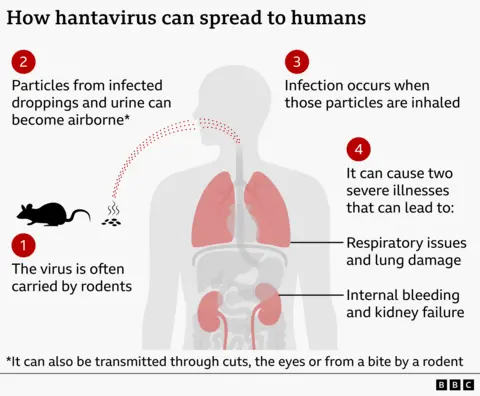
Health officials identified the relevant strain as Andes-type hantavirus, a form that can spread person to person more readily than most hantaviruses. Even so, the Centers for Disease Control and Prevention says transmission remains rare and usually requires close, prolonged contact. The virus can also spread through contact with rodents, though the rodents that carry it have not been found in the United States.
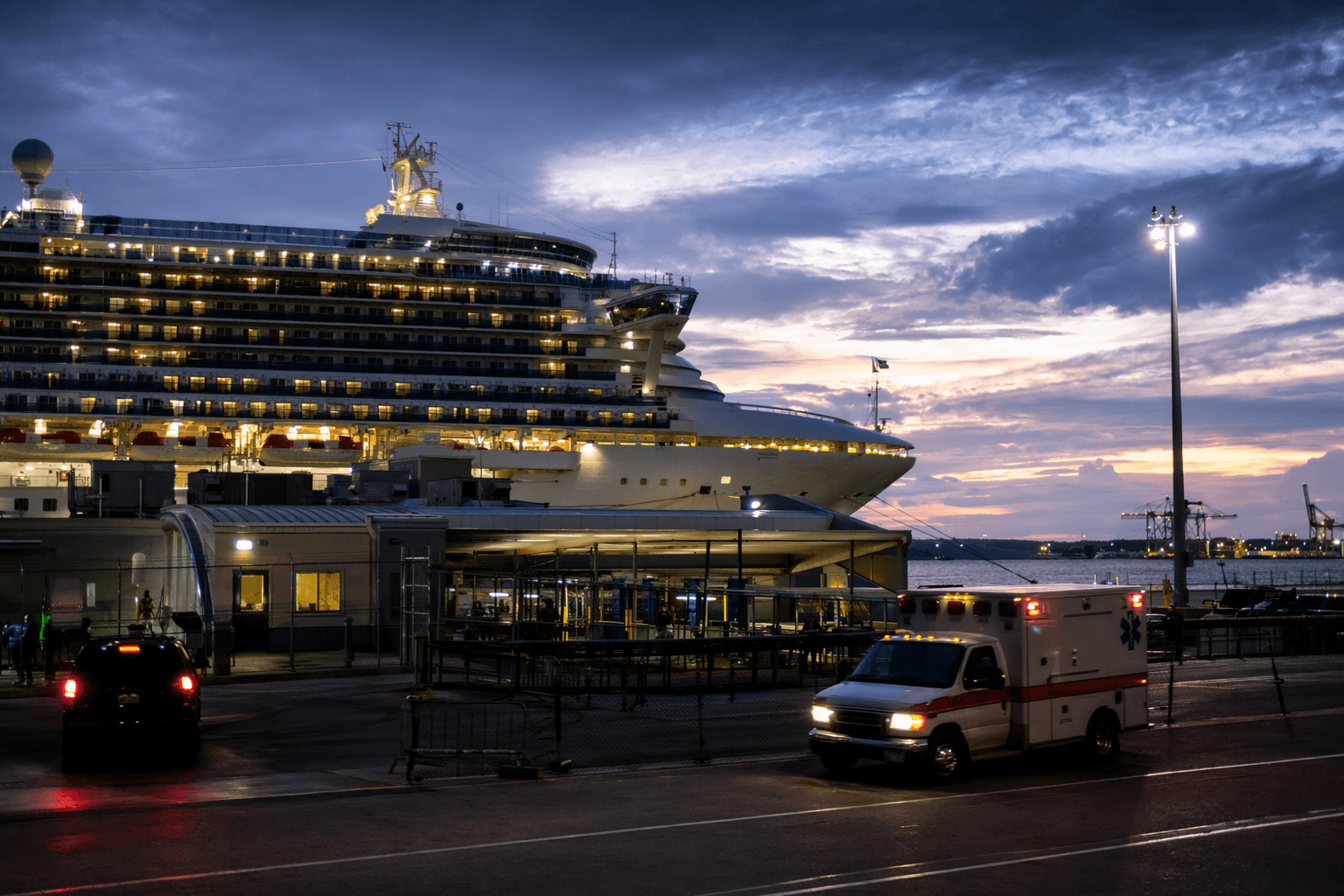
The World Health Organization said the MV Hondius was carrying 147 passengers and crew when the outbreak was reported. As of May 4, seven cases had been identified, including three deaths, one critically ill patient and three people with mild symptoms. Later reporting put the total at eight cases and three deaths. The ship had departed Ushuaia, Argentina, on April 1, and officials have said hantavirus symptoms can take one to eight weeks to appear, leaving open the possibility of additional cases.
That incubation window is one reason the Nebraska monitoring matters now. A passenger can test positive before symptoms begin, and public-health teams are using isolation and observation to watch for any change in condition while limiting the chance of further spread. For officials, the key point remains the same: the cruise outbreak is serious, but the wider U.S. risk is still considered low.
Know something we missed? Have a correction or additional information?
Submit a Tip