U.S. repatriates cruise passengers after hantavirus outbreak, public risk remains low
The U.S. is bringing home cruise passengers exposed to hantavirus as officials say the wider public faces very low risk. The cluster has killed three and is tied to Andes virus.
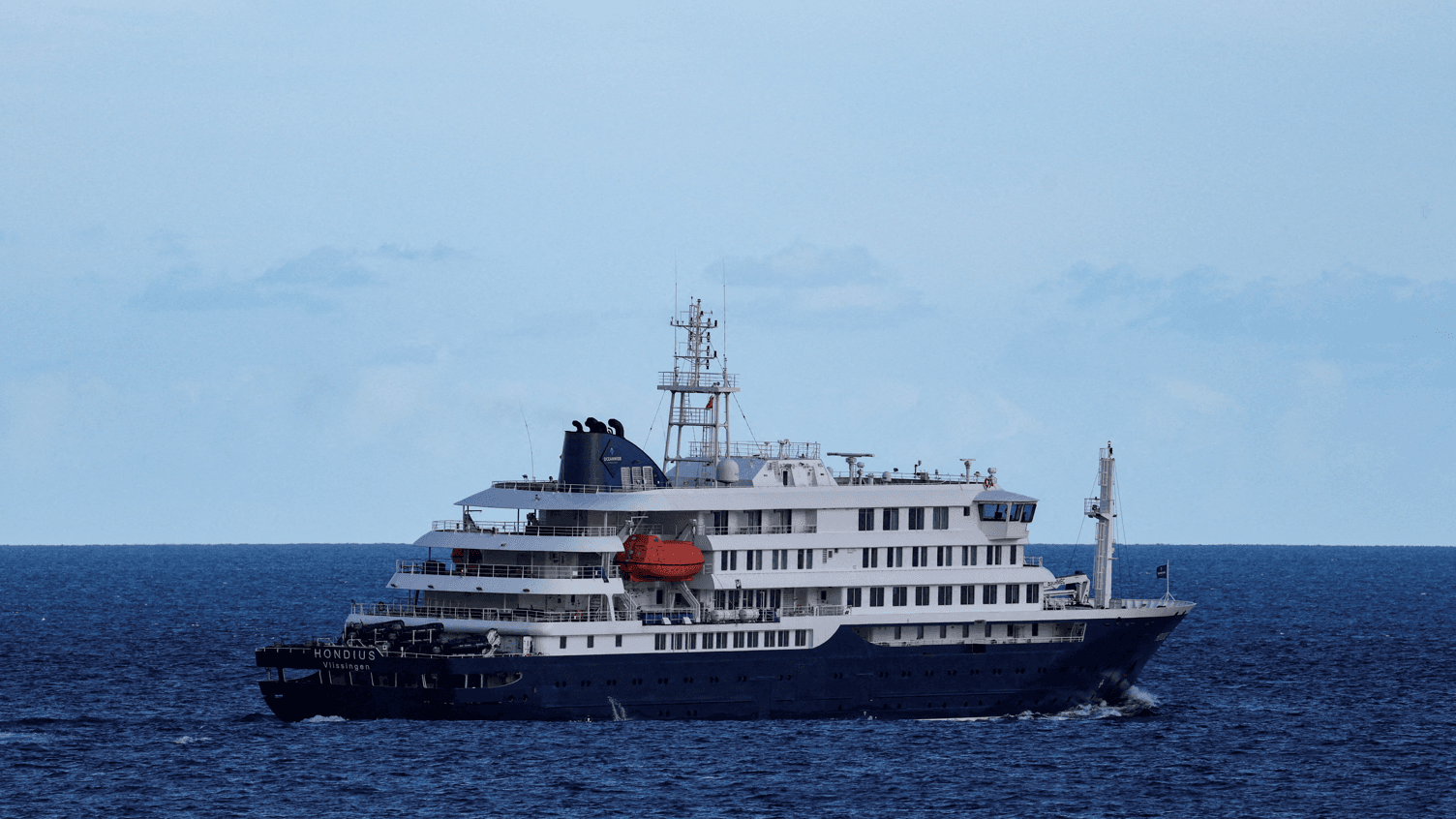
Passengers exposed to hantavirus on the M/V Hondius cruise ship were being repatriated, while U.S. health officials said the danger to the broader public remained extremely low.
The Centers for Disease Control and Prevention said its top priority was the safe return of American passengers and that it had developed health guidance for those affected, working with the U.S. Department of State. The World Health Organization said the ship carried 147 passengers and crew when the situation was first reported, with 34 already disembarked. As of May 8, WHO counted eight cases and three deaths in the cluster, including six laboratory-confirmed infections, all identified as Andes virus.
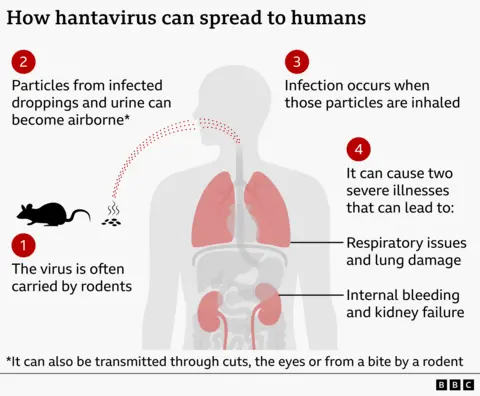
That distinction matters because hantavirus is not typically spread through casual contact. CDC says people usually contract hantavirus by breathing in particles from rodent body fluids or excrement, while WHO says Andes virus is the only hantavirus species known to allow limited human-to-human transmission, linked to close and prolonged contact. Even with the cruise ship cluster under investigation, CDC said the risk to the American public remained extremely low.
The illness timeline points to a fast-moving and serious infection. WHO said symptoms began between April 6 and April 28 and included fever, gastrointestinal symptoms, rapid progression to pneumonia, acute respiratory distress syndrome and shock. CDC says Andes virus can cause hantavirus pulmonary syndrome, or HPS, a severe and potentially deadly lung disease. Early symptoms can resemble influenza, which makes diagnosis difficult at first and can delay treatment until breathing problems intensify.
The case has also revived older U.S. memories of hantavirus, which CDC first tracked after the 1993 Four Corners outbreak and made nationally notifiable in 1995. A major precedent came in 2012 at Yosemite National Park, where investigators identified 10 cases among residents of three states, 8 developed HPS, 5 required intensive care with ventilatory support and 3 died. In that outbreak, rodent nests and tunnels were found in the foam insulation of a signature tent cabin, underscoring how contaminated environments can seed infection even outside obvious rodent-infested settings.
WHO said it deployed an expert to the ship and arranged shipment of 2,500 diagnostic kits from Argentina to laboratories in five countries as it monitored the evolving situation with international partners. The response reflects the basic public-health calculation now driving the case: the disease is rare, severe and difficult to spot early, but the main risk remains exposure in a contaminated environment, not ordinary community spread.
This article was produced by Prism’s automated news system from verified source data, official records, and press releases, then run through automated quality and moderation checks before publishing. The system is built and supervised by the people who set the standards it runs under. Read our full AI policy.
Did this article answer your question?