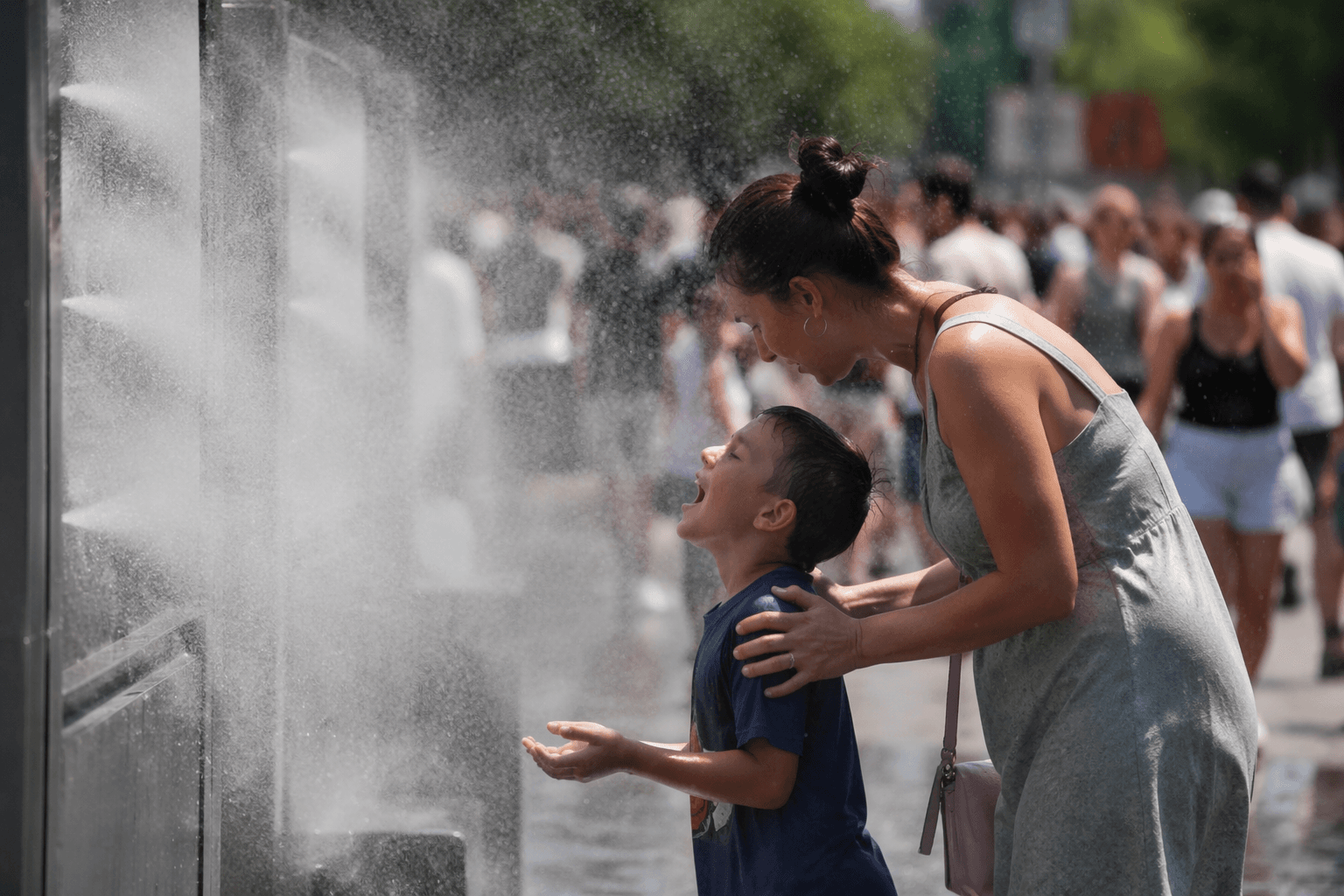
Illinois family raises funds for inclusive playground for boy with rare disorder
Bedford Erickson’s rare disorder has made ordinary play harder. His family’s Kankakee campaign reached 99% of a $381,448 goal for an inclusive playground.

Bedford Erickson’s family turned a search for a safer place to play into a larger case for accessibility, as a Kankakee, Illinois, playground project neared completion with 99% of its $381,448 fundraising goal reached.
Bedford, who is 3, was born with Schwartz-Jampel syndrome, a rare genetic disorder marked by permanent muscle stiffness and bone abnormalities. Medical groups describe the condition as one that often becomes apparent in early childhood and can worsen as a child grows, which makes a standard playground far less usable for children with mobility limits or skeletal differences.
Unlimited Play said the Kankakee project was inspired after the nonprofit saw Bedford’s story on TikTok. Bedford’s parents, Hollie Erickson and Jesse Erickson, helped push the campaign into wider view, turning a family challenge into a public appeal for a space built for more than one kind of child. The fundraising page now shows the playground nearly fully financed, placing the project within reach.
The design question at the center of Bedford’s story is bigger than one child. Inclusive playgrounds are built so children with and without disabilities can play together, rather than separating families by ability or forcing some children to sit out. Advocacy organizations and health groups say those spaces support physical, cognitive, emotional and social development, while also giving parents, grandparents and caregivers a place to stay together instead of splitting up around equipment that only some children can use.
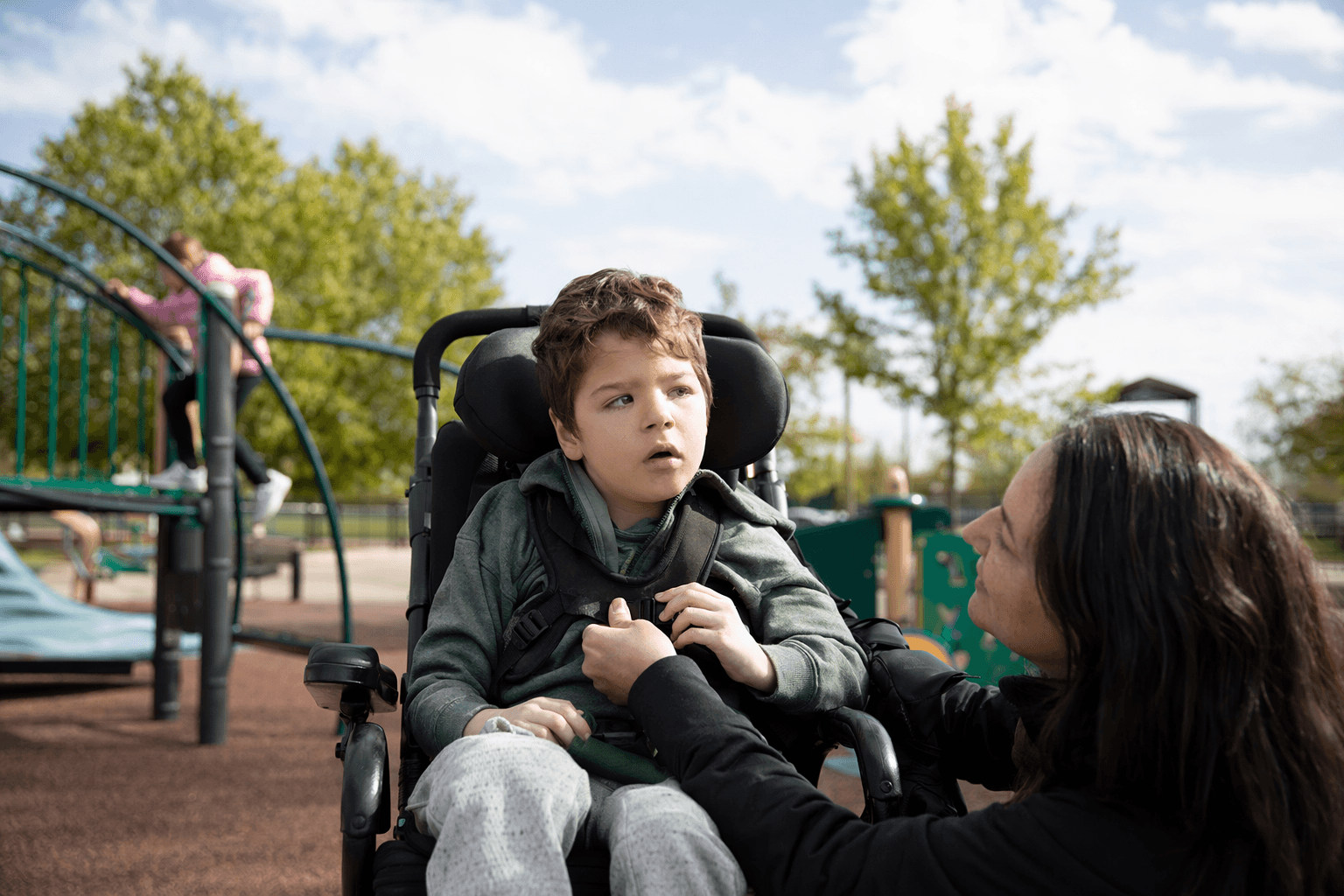
That broader purpose matters because playgrounds are not just recreational extras. They are community infrastructure, shaping whether public parks welcome children with rare disorders, mobility challenges or other disabilities as full participants. In places like Kankakee, an accessible playground can determine whether a family treats a park as part of daily life or as a space built for someone else.
Bedford’s campaign reflects a wider pattern of family-led fundraising for accessible recreation across the country, with parents increasingly using social media and local support to finance spaces that standard playgrounds have long failed to provide. As this project moves from fundraising to construction, it stands as a local example of a national issue: who public spaces are really designed for, and who has to ask to be included.
This article was produced by Prism’s automated news system from verified source data, official records, and press releases, then run through automated quality and moderation checks before publishing. The system is built and supervised by the people who set the standards it runs under. Read our full AI policy.
Did this article answer your question?