DOJ begins distribution of more than $15.5 million to 8,000+ victims of securities fraud
The U.S. Department of Justice announced it has started sending more than $12.4 million from the Roger Knox Remission Fund to over 8,000 victims; the SEC added $3.1 million.
The U.S. Department of Justice has begun sending restitution to victims of a global pump-and-dump scheme, announcing that “The Roger Knox Remission Fund has begun distributing more than $12.4 million in funds forfeited to the United States from Roger Knox and his co-conspirators to over 8,000 victims.” The agency said the U.S. Securities and Exchange Commission also distributed $3.1 million tied to the same scheme, bringing the combined amount returned to victims to “over $15.5 million.”
The distributions, announced March 2, 2026, represent only a fraction of the fraud’s scale. The DOJ has described the underlying pump-and-dump schemes as having generated “over $137 million between 2016 and 2018.” Roger Knox was ordered in January 2024 to pay “over $58 million in restitution to more than 8,000 victims.” The roughly $15.5 million now being returned equals about 11 percent of the cited proceeds and about 27 percent of the restitution figure, underscoring a material gap between ill-gotten gains, court-ordered restitution, and recoverable assets.
The department’s release linked the fraud to a sophisticated international operation, saying “Knox then funneled the proceeds of the pump-and-dump schemes - totaling over $137 million between 2016 and 2018 - to co-conspirators in the United States and around the world through a complex money transfer system that disguised the source and nature of the funds.” Prosecutors in the District of Massachusetts, led by Assistant U.S. Attorney Carol E. Head, brought the case in federal court in Boston. Knox pleaded guilty in January 2020 and was sentenced in October 2023 to 36 months in prison.
The split in reporting between DOJ and SEC clarifies how multiple enforcement tools are being used to return money to harmed investors. DOJ’s distribution comes from forfeited assets, while the $3.1 million from the SEC reflects the civil agency’s own remediation process. The department’s headline combined the two figures to report distribution “of over $15.5 million to compensate victims,” but the body of the release makes clear the amounts derive from separate authorities and accounts.
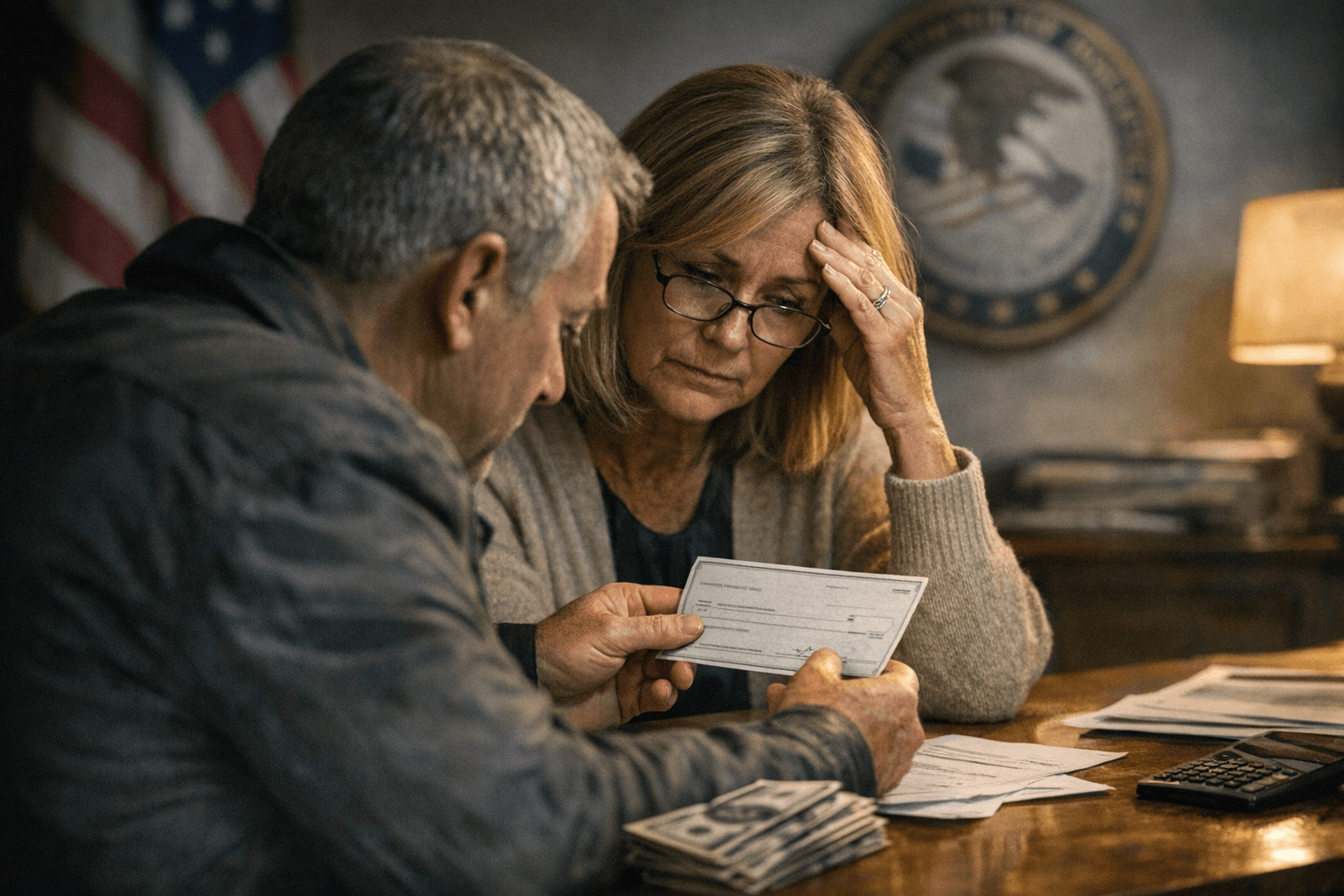
For investors and policymakers the headline figures provide both relief and a reminder: enforcement can claw back and reallocate some funds, but recovered amounts often fall short of the total investor losses in complex, cross-border frauds. Retail investors who lost money in the schemes will receive payments from these pools, but the release does not provide a schedule, per-victim allocation method, or confirmation that the larger restitution order has been substantially satisfied.
The case highlights broader enforcement challenges in policing market manipulation and recovering proceeds when funds traverse international channels. Returning even modest sums requires coordination across criminal forfeiture and civil disgorgement mechanisms, and recovered dollars can materially affect small retail victims. The DOJ release did not name co-conspirators, specify forfeiture orders beyond the amounts distributed, or detail the mechanics for how victims will be paid.
Prosecutors and regulators may point to the disbursement as a tangible outcome of long-running cross-agency work, while investors and consumer advocates are likely to press for clearer timelines and fuller recovery of the more than $58 million in restitution ordered by the court.
This article was produced by Prism’s automated news system from verified source data, official records, and press releases, then run through automated quality and moderation checks before publishing. The system is built and supervised by the people who set the standards it runs under. Read our full AI policy.
Did this article answer your question?

