DOJ creates $1.776 billion fund for Trump allies' mistreatment claims
A $1.776 billion DOJ fund tied to Trump’s IRS lawsuit could pay claims for “weaponization and lawfare,” bypassing courts and reviving a disputed precedent.
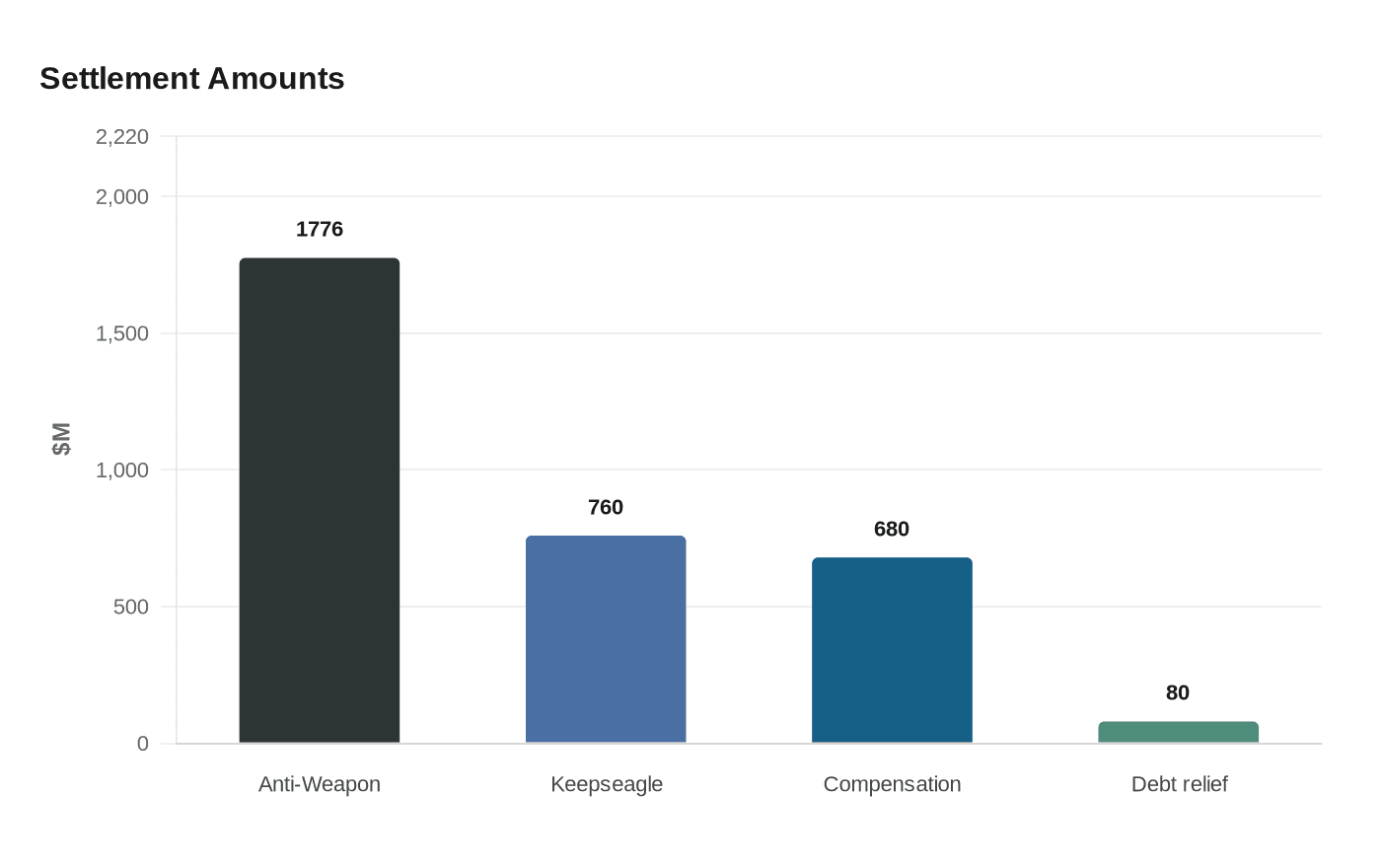
The Justice Department has created a $1.776 billion fund that could pay people who claim mistreatment by the government, a structure so unusual that it turns a private Trump settlement into a federal compensation program with no clear modern parallel. The Anti-Weaponization Fund was announced on May 18, 2026, as part of a settlement in Trump v. Internal Revenue Service, the lawsuit brought by Donald J. Trump, Donald J. Trump Jr., Eric Trump and the Trump Organization, LLC over the leak of Trump’s tax returns.
The department said the fund would hear claims from people who suffered “weaponization and lawfare” and could provide monetary relief or formal apologies. It will be financed through the federal judgment fund, which the department described as a perpetual appropriation, and claims processing will end no later than Dec. 1, 2028. Any money left over after that date is supposed to revert to the federal government. The Justice Department also said quarterly reports will go to the attorney general.
That design has drawn immediate scrutiny because it moves payout decisions away from the courts and into an internal federal process. Axios said the structure insulates payout decisions from judicial review and limits public visibility into where the money goes, while POLITICO reported that a five-person commission will oversee the fund and process claims through mid-December 2028. Trump told reporters he knew “very little about it” and was not involved in creating it.
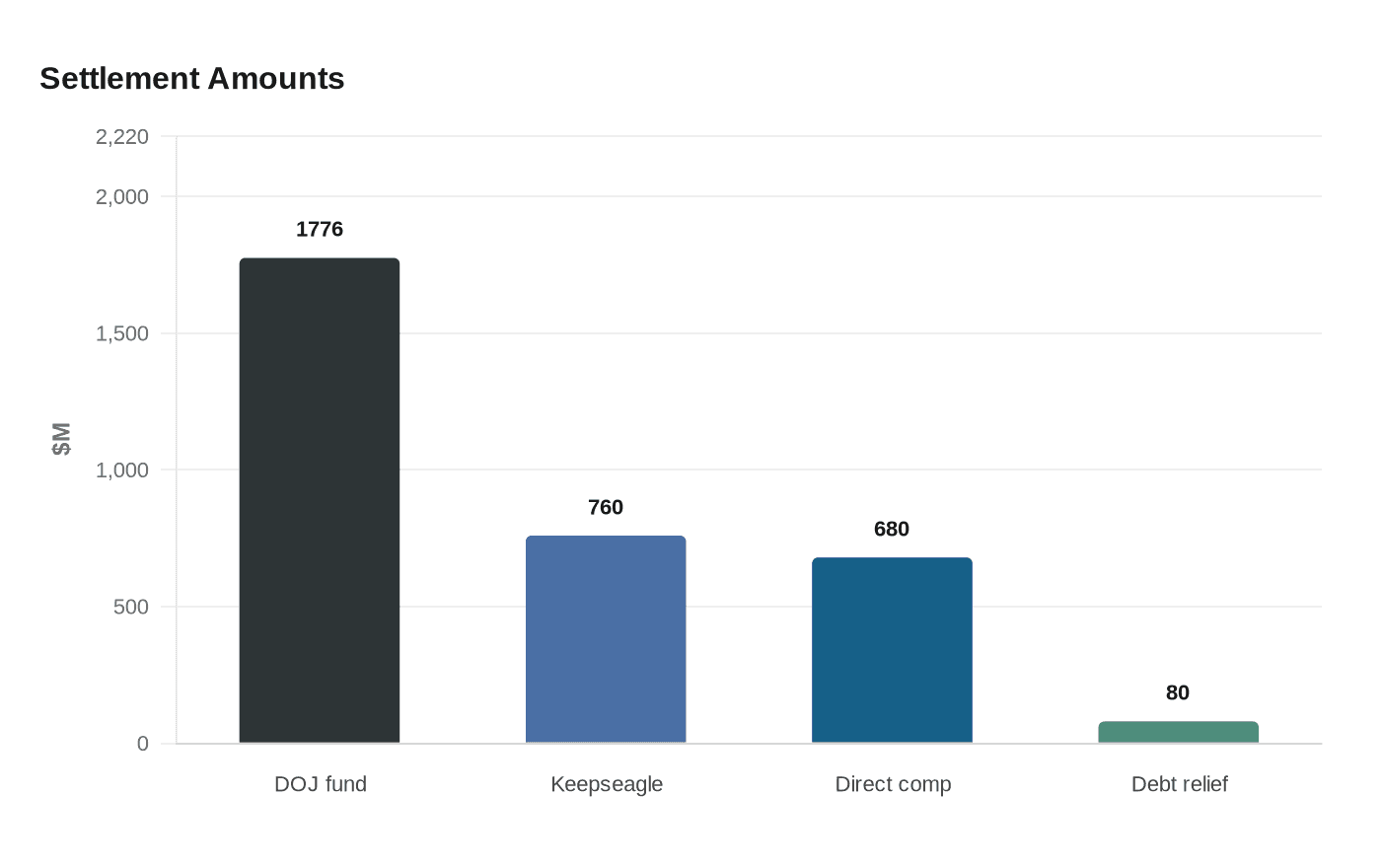
The administration has pointed to the 2011 Keepseagle settlement as precedent, but that comparison is thin. Keepseagle was a $760 million settlement for Native American farmers and ranchers who alleged discrimination by the U.S. Department of Agriculture, and it was approved by a federal court in April 2011. Of that amount, $680 million went to direct compensation and $80 million to debt relief. PolitiFact said the old settlement differed from the new fund in at least four important ways: more specific eligibility rules, more significant judicial oversight, a more conventional creation process, and a smaller, different class of claimants.
The new fund is also broad enough to raise alarms over who might qualify. Todd Blanche would not rule out payments to Jan. 6 rioters, Trump donors, or lawmakers whose phone records were seized by special counsel Jack Smith. Two Capitol police officers who defended the U.S. Capitol on Jan. 6 have already sued to block the payout fund, arguing it could reward people who threatened and harassed them.
Republican unease has surfaced as well. Reuters reported that Senate Majority Leader John Thune said he was “not a big fan” of the plan. With the settlement already filed away and the case closed, the fight now shifts to whether anyone can still stop payouts before the fund starts distributing federal money under a process that departs sharply from normal compensation practice.
Know something we missed? Have a correction or additional information?
Submit a Tip