DOJ opens probe into withheld Epstein file pages alleging President Trump
The Justice Department is investigating whether pages from Jeffrey Epstein files that referenced President Trump were improperly withheld, raising fresh transparency and oversight questions.
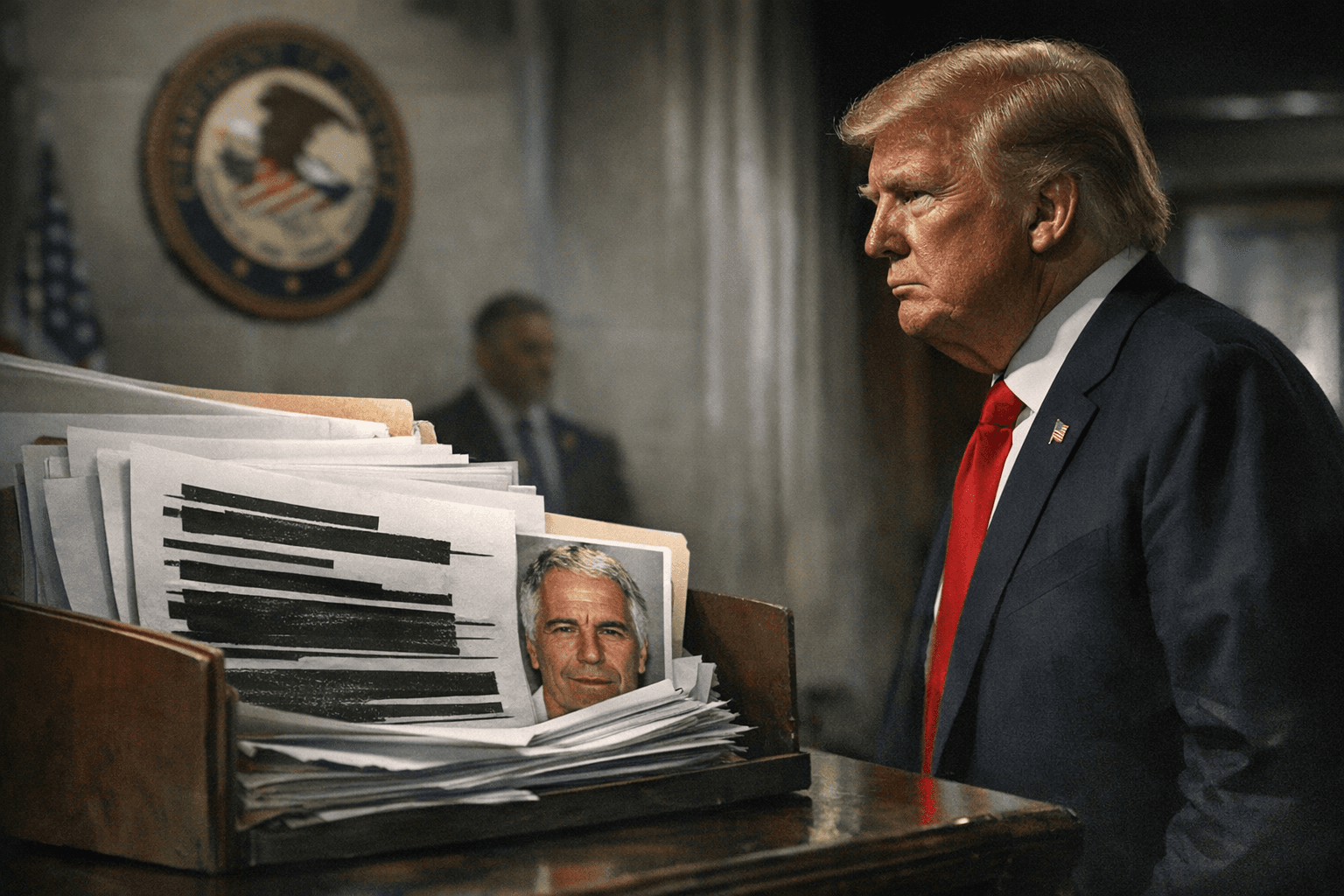
The Justice Department is investigating whether it improperly withheld pages from the Jeffrey Epstein files that contained allegations against President Trump, a review opened Feb. 26, 2026 that has intensified scrutiny of document handling and led to renewed concern about recent resignations tied to Epstein-related matters.
The inquiry, announced internally today, will examine whether prosecutors or court staff withheld material that should have been disclosed under federal rules and whether those decisions complied with DOJ policy on sensitive evidence. Officials framed the review as a narrow examination of procedural choices surrounding the files, which were compiled during prior federal investigations into Jeffrey Epstein and associated civil litigation.
The probe arrives amid a broader wave of attention to the treatment of Epstein-related records. Over the past year, several high-profile resignations of individuals linked to Epstein or to the handling of related materials prompted questions about institutional conflicts and the robustness of internal controls. Critics and oversight officials say the apparent withholding of pages that referenced a sitting president magnifies the political stakes and increases pressure on the department to demonstrate impartiality.
The files at the center of the review reportedly include witness statements and other allegations that were segregated during earlier processing. Federal rules governing grand jury secrecy, privacy protections for alleged victims, and routine redaction practices can justify withholding parts of investigative files. The DOJ review will need to balance those legal protections against transparency obligations, especially when records touch on public officials.
Institutional experts say the episode exposes gaps in how federal agencies track and authorize redactions and withholdings in high-profile cases. Without centralized tracking and clear audit trails, decisions to withhold material can appear arbitrary and invite political interpretation. The DOJ has existing protocols for handling sensitive material, but the current review will assess whether those protocols were followed in this instance and whether supervisory review was adequate.
The political implications are immediate. Allegations appearing in law enforcement files about a sitting president, even if unproven, can shape media coverage and influence public opinion. For the Justice Department, the optics of withholding such material risk perceptions of selective treatment and could fuel congressional oversight demands. For victims and witnesses, the decision calculus involves both their privacy and their interest in public disclosure.
Oversight actors in Congress and watchdog offices have signaled interest in the review. The outcome could influence proposals for legislative changes to disclosure rules for high-profile cases, including standardized timelines for release, statutory reporting requirements when records involving public officials are withheld, and enhanced inspector general authority to audit document-handling practices.
The DOJ has not disclosed a timetable for completing the review. Officials said the process will determine whether further actions are warranted, which could include administrative discipline, referrals to other enforcement bodies, or public reporting of findings. For now, the probe underscores growing institutional pressure to clarify how sensitive investigative materials are handled when they intersect with politics at the highest levels.
This article was produced by Prism’s automated news system from verified source data, official records, and press releases, then run through automated quality and moderation checks before publishing. The system is built and supervised by the people who set the standards it runs under. Read our full AI policy.
Did this article answer your question?