Dollar General Employees Report Solo Shifts, Safety Concerns Amid Staffing Cuts
Workers say they were routinely left alone for long stretches during shifts after store hours and staffing were cut, raising safety and workload concerns for frontline employees.
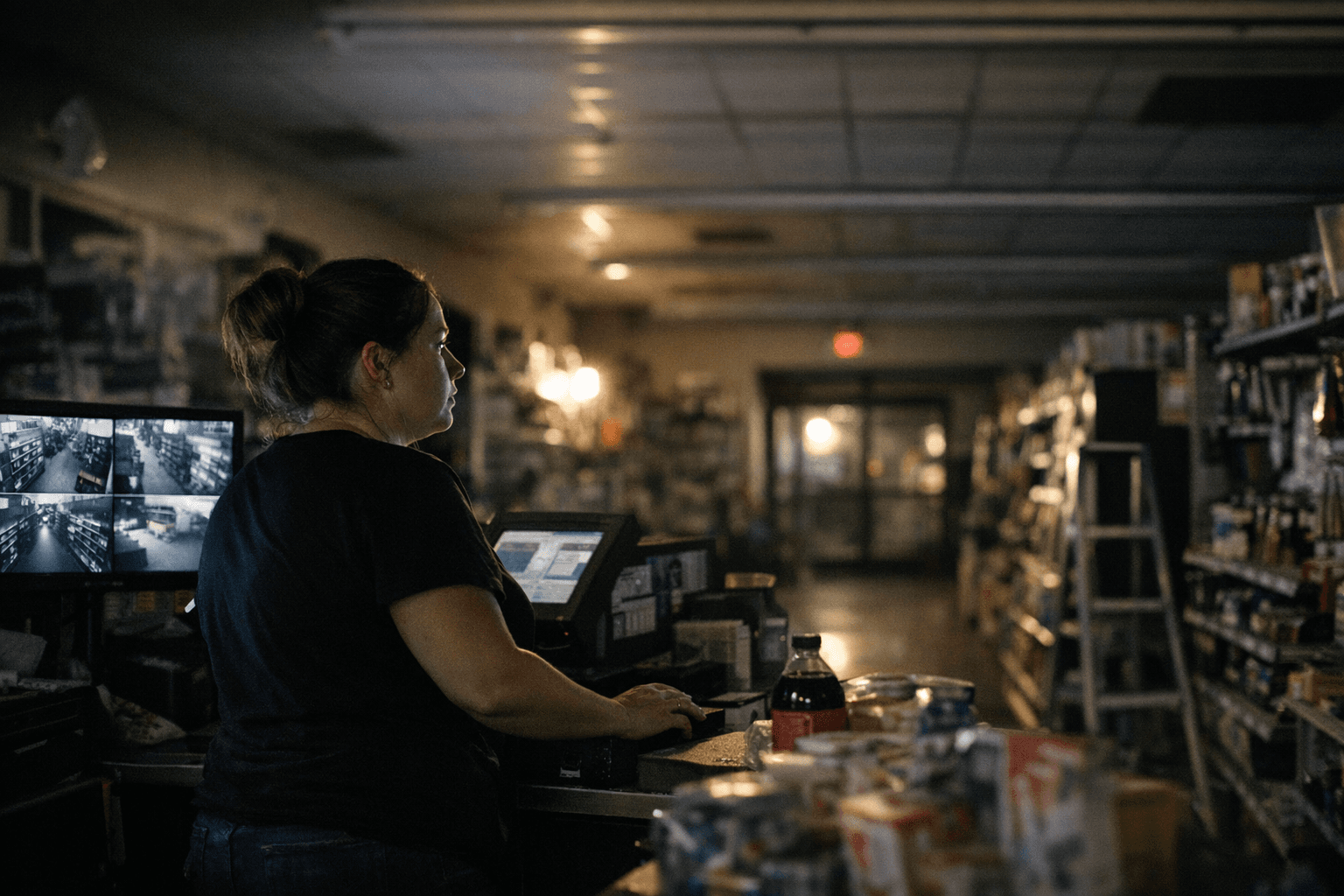
Dollar General workers reported being left alone for extended periods during shifts as staffing levels were reduced, creating safety risks and heavier workloads for hourly employees and store managers. The accounts, shared in an online employee discussion in mid-January, described single-person shifts, minimal open and close coverage, and managers juggling multiple responsibilities across tasks and locations.
Participants in the discussion gave examples from multiple stores of a lone employee handling register duties, stocking, cleaning, and security at once. Several commenters warned that one-person closing shifts are especially risky, citing the potential for robberies, customer medical emergencies, and problems with cash handling or loss prevention when only one person is on site. Practical safety tips were exchanged among workers, reflecting a frontline focus on immediate risk reduction when formal coverage is lacking.
Employees also documented persistent scheduling pressures and reductions in allocated store hours. That combination can force stores to compress tasks into fewer labor hours and push managers to cover gaps, sometimes by working simultaneous responsibilities that exceed what a single person can safely handle. Workers said these conditions increase stress, extend shift lengths, and leave stores vulnerable to service delays and compliance lapses such as unfinished nightly reconciliations and incomplete store maintenance.
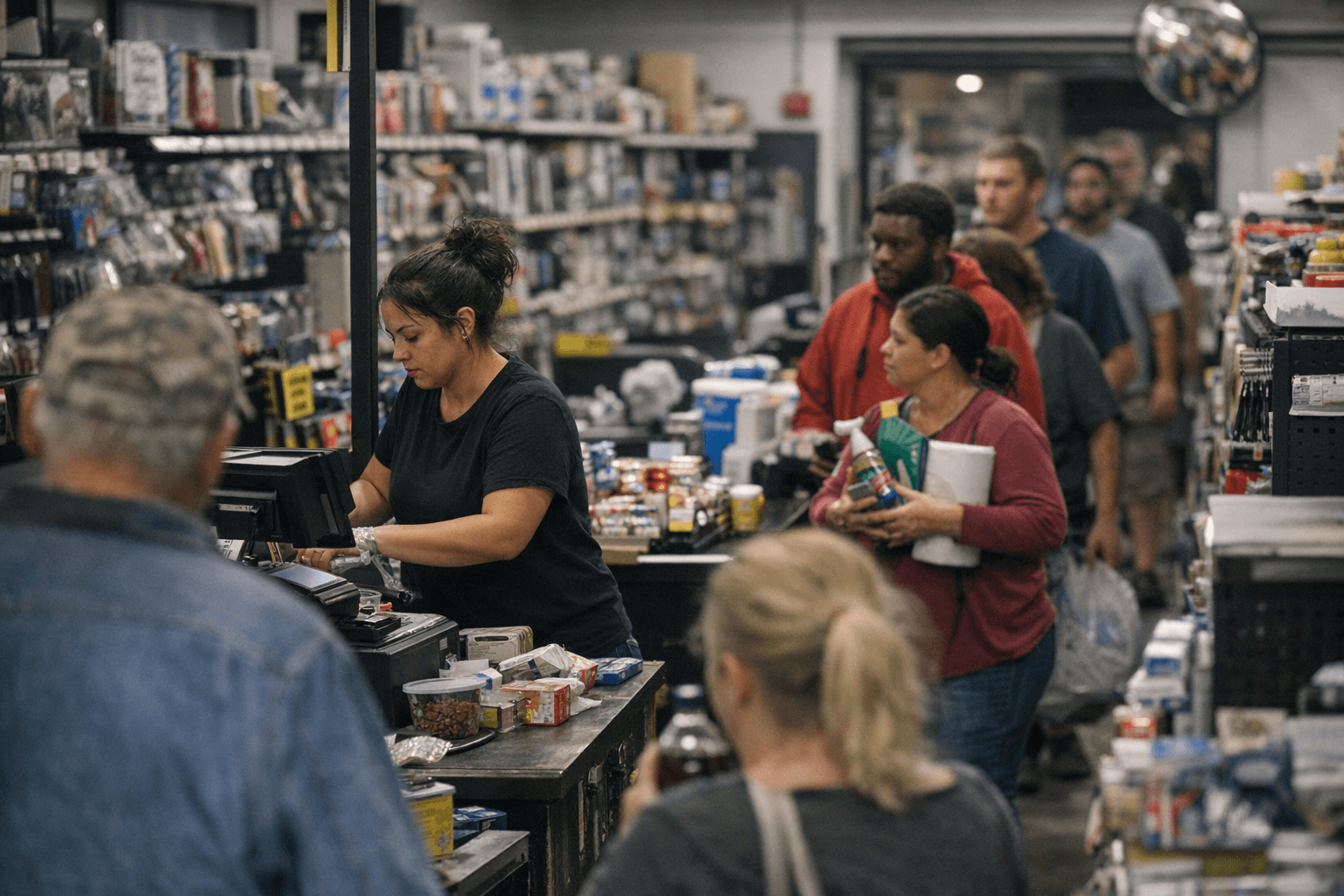
The staffing patterns workers described have direct consequences for workplace dynamics. Solo shifts limit opportunities for mentoring and peer backup, concentrating decision-making and frontline stress on junior associates or single managers. They can harm customer experience through longer checkout lines and delayed restocking, and they raise turnover risk as employees face burnout and safety anxieties. For managers, covering multiple roles can distract from operational priorities like inventory accuracy, incident reporting, and scheduling.
The discussion provides a snapshot of how scheduling and hour allocation decisions play out at store level. For workers, the immediate concerns are safety and the practical realities of running a store without reliable coverage. For employers, the situation highlights trade-offs between labor costs and operational resilience that can affect risk management, customer service, and employee retention.
What comes next for affected workers will depend on whether scheduling patterns change and whether district or corporate leadership addresses coverage standards. In the meantime employees coping with solo shifts say they are sharing safety best practices and documenting incidents; workers facing these conditions may consider raising concerns with store leadership or HR and keeping records of scheduling and safety issues as they seek solutions.
Sources:
Know something we missed? Have a correction or additional information?
Submit a Tip