Dollar General Employees Should Review Benefits Ahead of 2026 Health-Care Hikes
Dollar General employees should review benefits now as projected 2026 health-care changes could raise premiums and out-of-pocket costs, affecting frontline and corporate staff.
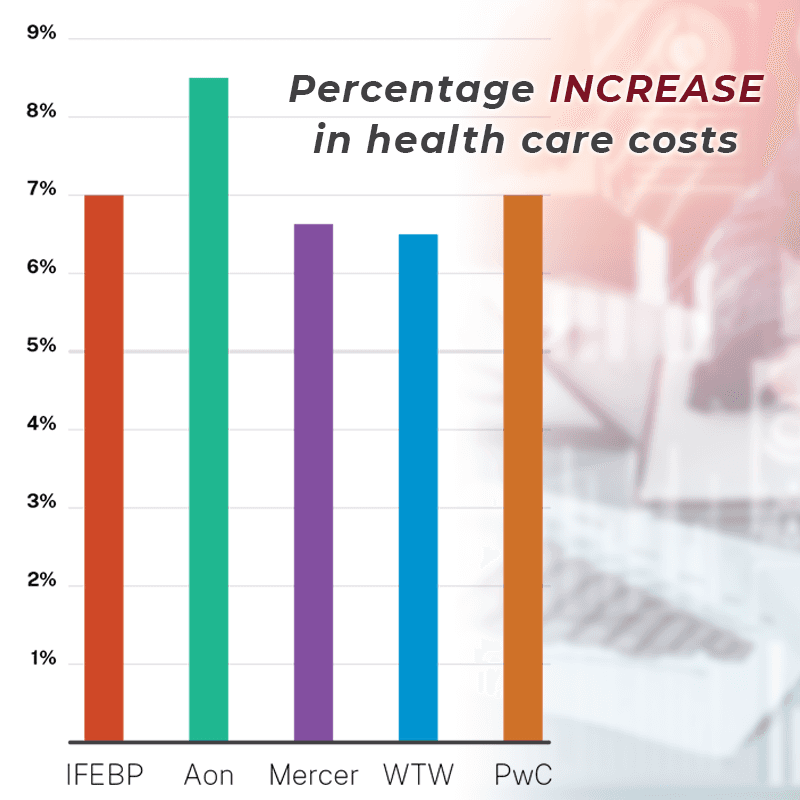
Health-care affordability pressures are expected to hit employees in 2026, with insurers seeking higher rates in some states and employers responding by adjusting plan designs. For Dollar General workers who rely on employer-sponsored medical plans, that combination could mean higher premiums, larger deductibles, increased coinsurance, and changes to out-of-pocket maximums.
Store teams, district managers and corporate staff all depend on consistent coverage and predictable costs. When insurers file for bigger rate increases, plan sponsors often respond by shifting more cost onto members rather than absorbing the entire increase. That can reduce take-home pay for hourly workers and make scheduling and retention more difficult for managers trying to hold on to trained staff.
Employers nationwide are already considering standard cost-shifting levers. Changes commonly include raising deductibles, increasing coinsurance percentages, and altering out-of-pocket maximums. Pharmacy benefit management tiering can also affect employees who take recurring prescriptions, pushing certain medications into higher cost tiers or changing prior authorization rules. Those kinds of adjustments squeeze workers who are managing chronic conditions or tight budgets.
Dollar General has not issued a company-specific announcement tied to these projected 2026 pressures, but the trends are directly relevant to anyone covered by the company plan. Employees should review any open-enrollment materials and plan notices carefully to spot proposed changes to premiums, employee contributions, deductibles, coinsurance and out-of-pocket maximums. Maximizing pre-tax elections such as health savings accounts and flexible spending accounts where available can blunt some of the impact. Document recurring prescriptions now and check formulary placement and pharmacy benefit manager tiering to see whether medicines may move to higher-cost tiers.

Workers who are unsure about how proposed changes will affect their personal costs should prepare a short list of questions for HR and benefits contacts. Key items to ask about include employer contribution levels, the deductible and coinsurance structure, any changes to the out-of-pocket maximum, and whether the company plans to alter plan design next year. For employees with regular prescriptions, ask whether generic alternatives exist and whether mail-order pharmacy options are covered at favorable tiers.
Changes to benefits affect more than medical bills. They can influence scheduling choices, willingness to take additional shifts, and overall morale on the sales floor and in distribution centers. Reviewing plan materials now and engaging HR early gives employees time to compare options and to budget for possible higher medical spending in 2026.
Sources:
Know something we missed? Have a correction or additional information?
Submit a Tip