Dow futures plunge 500 points as U.S. blocks Iranian ports, Hormuz traffic stops
Dow futures fell 500 points after the U.S. moved to block Iranian ports, a shock that could jolt gas prices, inflation and retirement accounts.
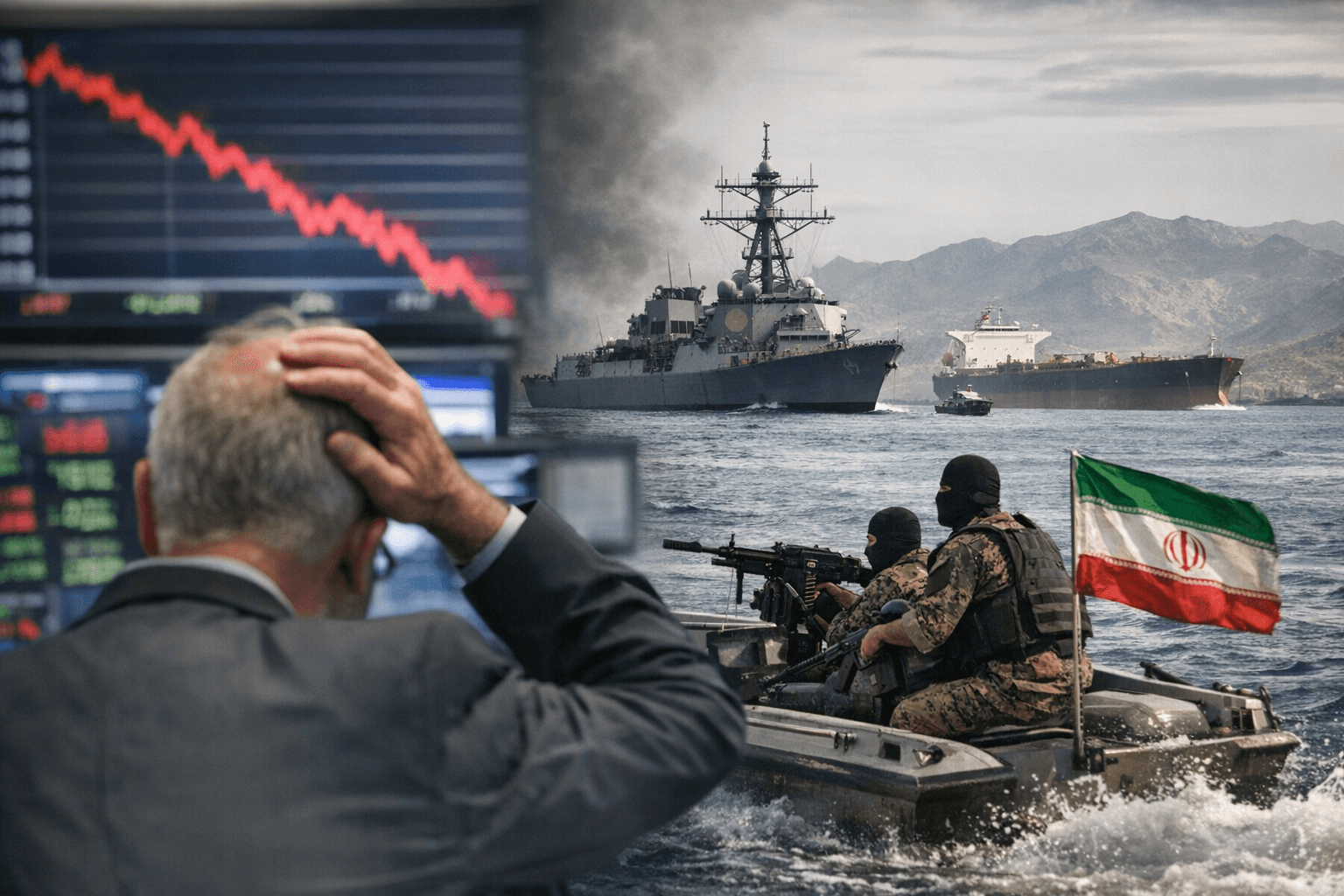
Wall Street took the order as an immediate oil-market alarm. Dow futures dropped 500 points after Donald Trump announced a U.S. blockade of Iranian ports, and traders were left watching the first places pressure would show up next: gasoline prices, inflation expectations, retirement accounts and shipping costs that feed through the economy.
U.S. Central Command said the blockade of all maritime traffic entering and exiting Iranian ports and coastal areas began Monday, April 13, 2026, at 10 a.m. EDT, and would be enforced impartially against vessels of all nations. The military also told mariners operating in the Gulf of Oman and the Strait of Hormuz approaches to monitor Notice to Mariners broadcasts and contact U.S. naval forces on bridge-to-bridge channel 16.
The move followed failed U.S.-Iran talks in Pakistan, which ended without a deal. AP reported that ship traffic appeared to halt in the Strait of Hormuz after the announcement, while Iranian leaders vowed to counter the blockade. CNN described the strait action as a fresh threat to the global economy, and the market reaction reflected how quickly the fight over a narrow waterway can spill into every household budget.
The stakes are enormous because the Strait of Hormuz is one of the world’s most important oil chokepoints. The International Energy Agency said the passage carried an average of 20 million barrels per day of crude oil and oil products in 2025, while the U.S. Energy Information Administration put first-half 2025 flows at 23.2 million barrels per day. At its narrowest point, the strait is just 29 nautical miles wide, with two 2-mile-wide shipping channels, a geography that makes disruption easy and rerouting costly.
That is why the legal and military posture matters as much as the market panic. A blockade that applies to vessels of all nations and targets Iranian ports and coastal areas is an extraordinary escalation, not a routine maritime warning. It raises the risk of confrontation in open water, threatens tanker traffic through the Gulf of Oman, and could force insurers, shippers and oil buyers to reprice risk almost immediately. If the halt holds, the first broad effects will be felt at the pump, then in transport and consumer prices, and finally in the retirement accounts tied to a market suddenly confronted with war risk at a major energy artery.
This article was produced by Prism’s automated news system from verified source data, official records, and press releases, then run through automated quality and moderation checks before publishing. The system is built and supervised by the people who set the standards it runs under. Read our full AI policy.
Did this article answer your question?


