DRC Ebola outbreak kills 87, officials race to contain spread
A rare Bundibugyo Ebola outbreak in northeastern Congo has killed 87 and produced 336 suspected cases, and no approved vaccine exists to slow it.
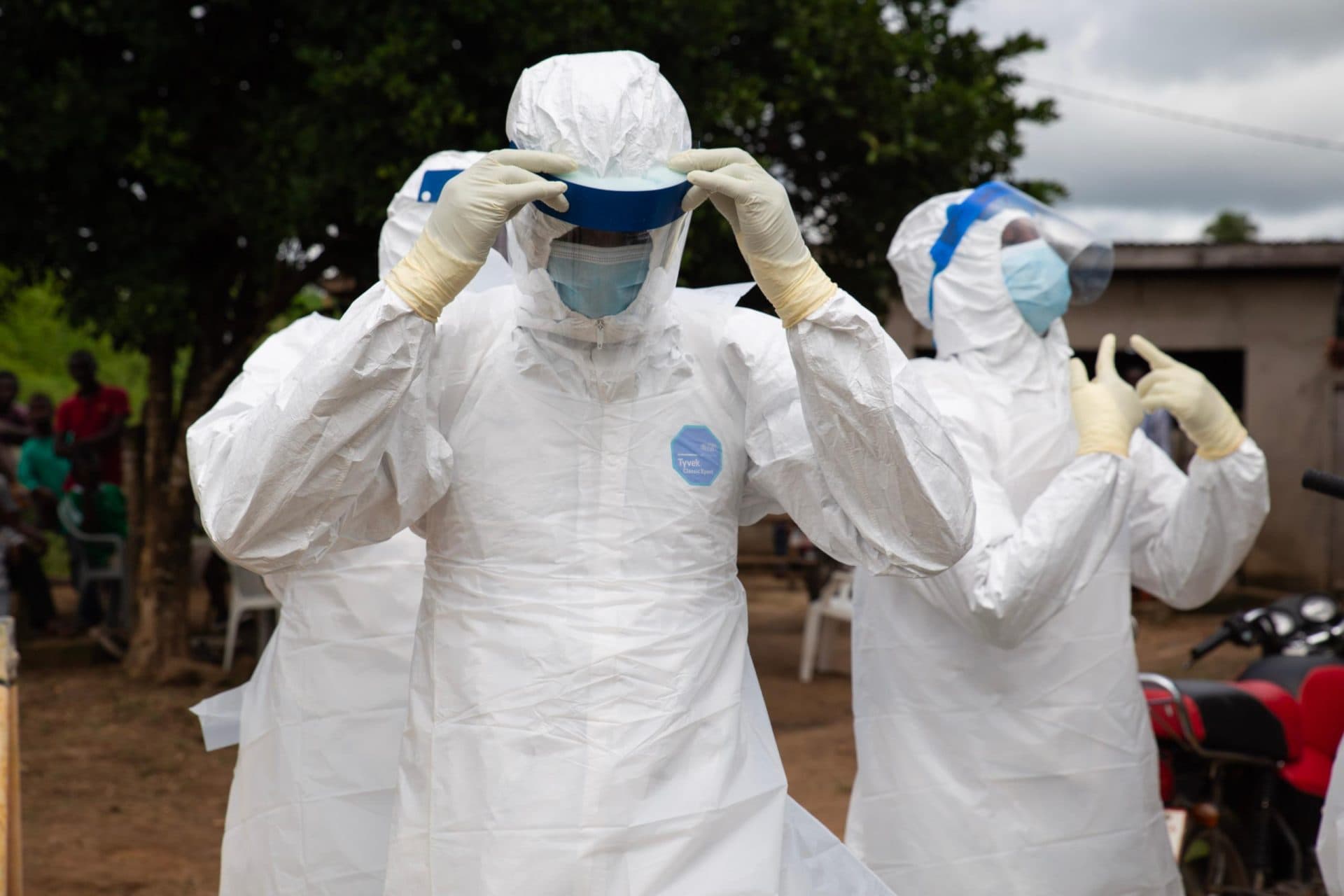
A rare Bundibugyo Ebola outbreak in northeastern Democratic Republic of Congo had killed 87 people and produced 336 suspected cases by Saturday, deepening fears that a delayed response in a conflict-hit region could allow the virus to move farther across central Africa. Health officials said the first known case developed symptoms on April 24, leaving roughly four weeks for unchecked community transmission before the outbreak was confirmed on May 15.
The outbreak has centered in Ituri province, especially the mining towns of Mongwalu and Rwampara, with suspected cases also reported in Bunia, the provincial capital. That geography matters: the region sits amid active trade routes, fragile health services and heavy cross-border movement. A 59-year-old Congolese man who traveled from the DRC by public transportation died in Kampala on May 14, underscoring how quickly a local outbreak can become a regional threat.
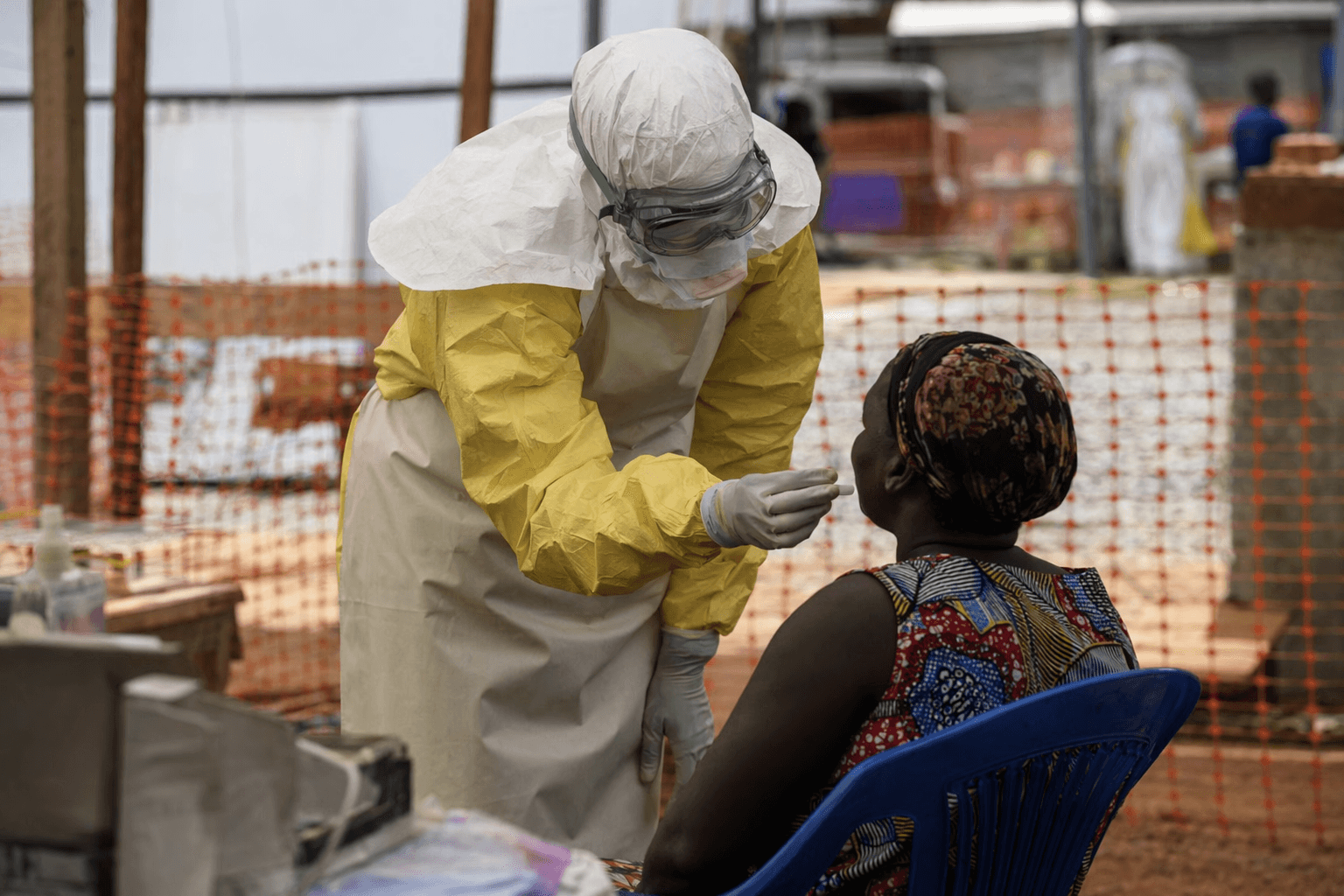
What makes this outbreak more dangerous is the strain. Officials said the virus is Bundibugyo Ebola, a less common form than Zaire Ebola, and there is no approved or known vaccine specific to it. There is also no specific treatment. Africa CDC Director-General Jean Kaseya said an experimental vaccine candidate has only been tested in monkeys and has shown about 50% efficacy in animals, while human effectiveness has not yet been assessed. DRC Health Minister Samuel-Roger Kamba warned that the strain can have a lethality rate as high as 50%.
The response is unfolding in a part of Congo where public health systems have been repeatedly strained by conflict, displacement and poor access to care. WHO said it has delivered more than 14 tonnes of emergency health supplies, including protective gear, mobile laboratory equipment and medical supplies, while treatment centers are being established, safe-burial teams are being trained and community awareness efforts are being expanded to push earlier reporting and preventive behavior.
The outbreak is also a reminder of how much work remains after previous Ebola crises. Africa CDC counted this as Congo’s 17th recorded Ebola outbreak since 1976, while WHO listed it as the country’s 16th in its chronology. The most recent outbreak before this one came in Beni, North Kivu Province, in 2022. WHO also pointed to the Kasai outbreak that began on September 4, 2025, was declared over on December 1, 2025 and was controlled after 42 days without new cases.
That Kasai response relied heavily on vaccination: more than 44,400 people were vaccinated with over 48,000 doses of Ervebo, the vaccine used against Ebola Zaire. But Ervebo does not protect against Bundibugyo, leaving Congo with fewer tools in the current emergency. Bundibugyo Ebola was first identified in Uganda in 2007, when WHO recorded 93 suspected cases and 22 deaths, including four health-care workers, a warning that now feels uncomfortably current.
This article was produced by Prism’s automated news system from verified source data, official records, and press releases, then run through automated quality and moderation checks before publishing. The system is built and supervised by the people who set the standards it runs under. Read our full AI policy.
Did this article answer your question?