Drone Strike on New Year Celebrations in Occupied Kherson Kills 24
Russian-installed authorities say a drone strike on New Year’s celebrations in the occupied village of Khorly killed at least 24 people and injured about 50, including children. The allegation, made on Jan. 1, escalates already intense accusations between Moscow and Kyiv and underscores the difficulty of independent verification in contested front-line zones.
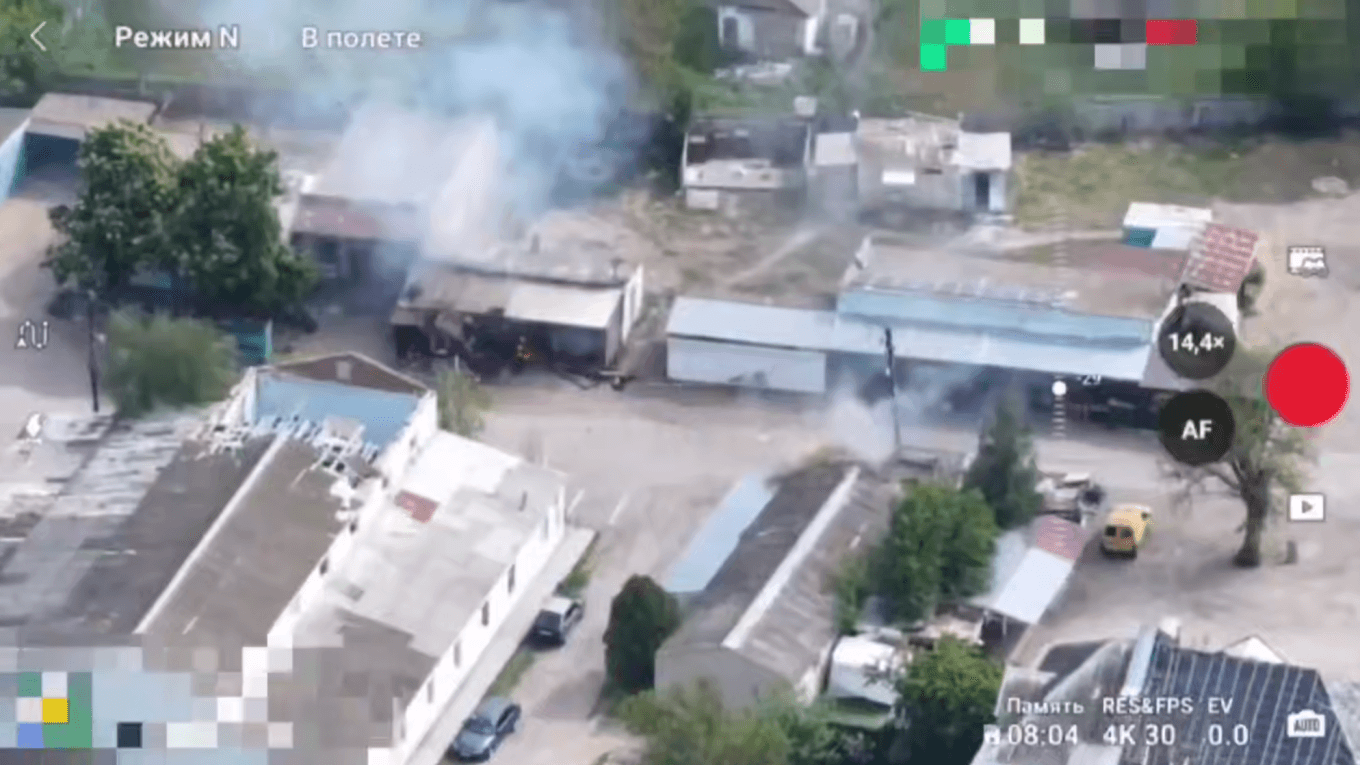
Russian-installed authorities in the occupied part of Ukraine’s southern Kherson region reported that a drone strike on New Year’s Eve and into Jan. 1 struck a hotel and a cafe in the coastal village of Khorly, killing at least 24 people, including one child, and injuring roughly 50 others. The governor appointed by Moscow in Kherson, Vladimir Saldo, posted the account on Telegram, saying three drones struck venues where civilians were gathered and that many victims showed signs of severe burning. Officials said six minors were among the wounded and were being treated in hospital.
Scenes described from the site included a building with extensive fire damage and apparent bloodstains on the ground. Moscow’s Foreign Ministry condemned the attack as a "war crime" and accused Kyiv and its Western backers of responsibility. Saldo characterized the action as a "deliberate strike" on civilians. Russian authorities also reported that their air defenses had destroyed nine Ukrainian drones as they flew toward Moscow during the same period.
Ukrainian government and military spokespeople did not immediately issue a response to the specific allegation in Khorly. Separately on Jan. 1, Ukrainian President Volodymyr Zelenskyy said Russia launched more than 200 attack drones overnight against Ukrainian energy infrastructure, framing both sides as engaged in reciprocal drone operations during the holiday period.
Independent verification of responsibility and of casualty totals was not available at the time the local Russian-installed authorities released their figures. The governor did not release imagery or documentation that would allow outside monitors to confirm the origin of the drones or to verify the full identity and number of victims. Initial reports in the hours after the attack cited lower casualty figures; the most detailed totals issued by Russian authorities listed 24 dead and about 50 injured.
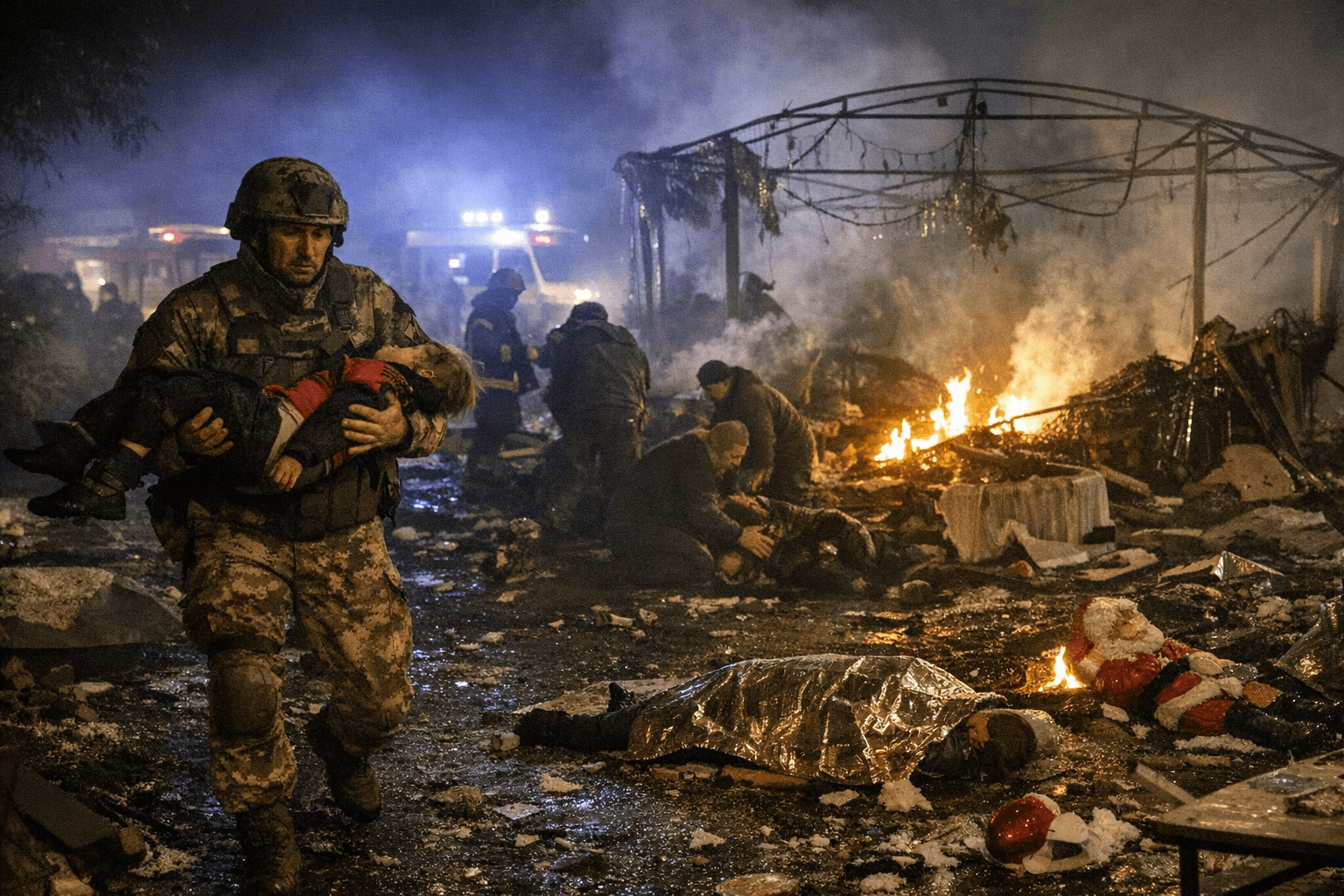
The incident underlines the evolving role of drones on the battlefield and the acute challenge of protecting civilians near active front lines. Much of Kherson region was retaken by Ukrainian forces in late 2022, with the Dnieper River now broadly delineating the contested front. Both sides have increasingly used long-range and loitering munitions in attacks that have hit military and civilian infrastructure, complicating efforts to assess intent and attribution.
Beyond the immediate human toll, the accusation is likely to intensify information warfare and diplomatic pressure. Moscow’s labeling of the attack as a "war crime" could prompt demands for an independent investigation from international bodies and add momentum to calls for accountability. At the same time, Kyiv’s account of a major Russian drone barrage on Ukrainian energy systems highlights reciprocal civilian risk and economic damage, with potential implications for Western assistance and sanctions policy. In the absence of independent confirmation, policymakers and aid organizations face difficult trade-offs between urgent humanitarian response and the need for verifiable evidence before pursuing formal legal or diplomatic measures.
This article was produced by Prism’s automated news system from verified source data, official records, and press releases, then run through automated quality and moderation checks before publishing. The system is built and supervised by the people who set the standards it runs under. Read our full AI policy.
Did this article answer your question?