Drugmakers balk at FDA’s fast-track voucher program amid legal, safety worries
Major pharmaceutical firms are hesitating to use an FDA fast-track voucher program, citing legal risks and concerns that compressed reviews could undermine safety and public trust.
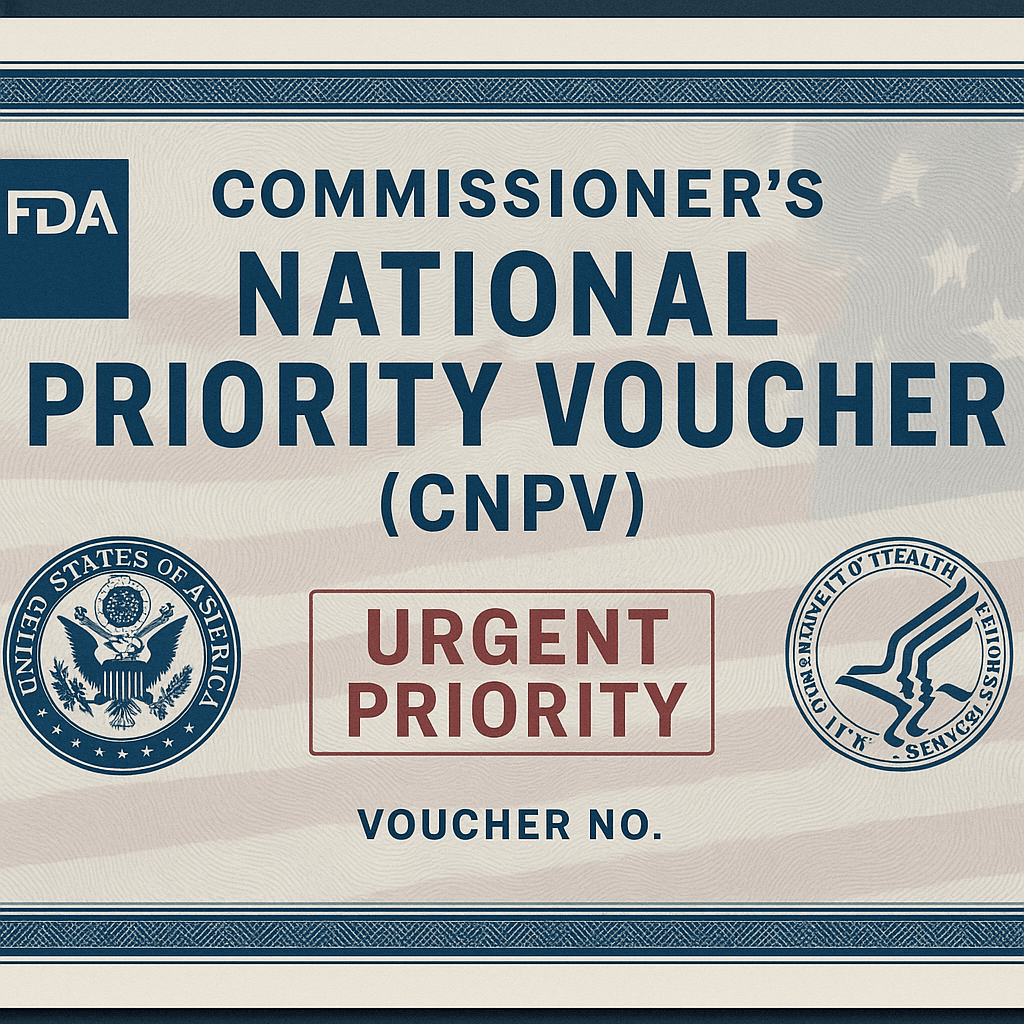
Several large pharmaceutical companies have declined to pursue approvals under the Food and Drug Administration commissioner’s National Priority Voucher program, citing fears of legal vulnerability and scientific compromise, according to interviews and internal documents reviewed by this reporter. At the same time, more than a half dozen drugmakers have opted in, creating an uneven uptake and fresh debate over agency authority and public health safeguards.
Unveiled in June, the program authorizes FDA Commissioner Marty Makary to accelerate approval decisions to one or two months for a small number of drugs that meet narrow criteria: products judged critical to public health or national security, medicines manufactured in the United States, or therapies offered at low prices. Applications require a brief, 350-word statement of interest posted on an FDA web page. The streamlined process was designed to move select products quickly to market, but participants and nonparticipants alike say the program departs from the agency’s longstanding, congressionally authorized expedited pathways that operate under formal rules.
Industry executives who declined to participate cited a range of legal and scientific concerns. Several warned that compressed timelines could be portrayed as diminishing the rigor of FDA review and might invite court challenges to approvals made under an executive-driven program that lacks implementing regulations. Companies also voiced worries that if the program does not outlast the current administration, approvals granted under it could be contested, possibly exposing manufacturers to liability if serious adverse events surface after authorization.
“It’s extraordinary to have such an opaque application process, one that is obviously susceptible to politicization,” said former FDA attorney Paul Kim, who now advises industry clients. The comment reflects a broader unease over limited transparency: officials and company representatives described the application steps as confined to a single agency web page and lacking the formal rulemaking that typically governs major regulatory changes.
Agency procedures have introduced friction inside the FDA. HHS spokesman Nixon said voucher submissions are evaluated by “a senior, multidisciplinary review committee,” which Nixon said is led by Dr. Vinay Prasad. But sources inside the agency described direct outreach from senior officials to individual drugmakers, and some reviewers reported pressure to accelerate work or to omit steps they consider critical. One internal example involved an anti-obesity pill from a major manufacturer, where company executives expected approval within the two-month voucher window. Reviewers said that timeline would have bypassed a standard 60-day pre-filing period that has served as an administrative safeguard for decades.

The White House has embraced the voucher program as a tool to spotlight pricing concessions by manufacturers, sometimes announcing price reductions in tandem with promises of fast-tracked FDA decisions. That political pairing has reinforced industry concerns that access to the accelerated pathway could be contingent on public relations or policy objectives rather than strict scientific or public health criteria.
Public health experts caution that speed without clear guardrails risks eroding public trust at a time when confidence in regulatory institutions is fragile. Faster approvals can benefit patients who lack current treatment options, but they also raise equity questions if expedited access favors therapies from large, politically connected firms rather than treatments for disadvantaged populations or neglected conditions.
Legal scholars and health policy advocates say the remedy is straightforward: formalize the program through rulemaking, publish transparent criteria and timelines, and codify safeguards to protect scientific rigor. Without those steps, the program may continue to split the industry, invite litigation, and complicate efforts to ensure equitable and evidence-based access to new medicines.
This article was produced by Prism’s automated news system from verified source data, official records, and press releases, then run through automated quality and moderation checks before publishing. The system is built and supervised by the people who set the standards it runs under. Read our full AI policy.
Did this article answer your question?